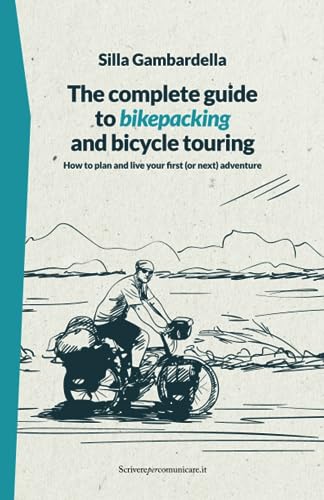
Bikepacking Tents Guide: Choosing the Best Shelter for Your Ride
When you are miles from the trailhead with your bike loaded for adventure, the right tent becomes your most critical piece of gear. This comprehensive guide will help you understand what makes a bikepacking tent different, how to evaluate your options, and which features matter most for your specific journey.
Why Bikepacking Tents Are Different: Unlike traditional camping where you might drive to a site, bikepacking demands gear that balances low weight, small packed size, and genuine weather protection. Every ounce and every inch of packed volume affects your ride. This guide cuts through the marketing to help you make an informed decision.
What Is Bikepacking and Why Does Your Tent Matter?
Bikepacking combines the self-sufficiency of backpacking with the freedom of cycling. You carry everything you need on your bike, navigating trails and backroads that would be impossible with a car. This style of travel, closely related to bike camping with a bike, places unique demands on your equipment. Your shelter must pack small enough to fit into frame bags, handlebar rolls, or seat packs without throwing off your bike's handling.
The tent you choose directly impacts your comfort, safety, and enjoyment. A shelter that is too bulky will make packing frustrating. One that is too heavy will slow you on climbs. A tent that sacrifices weather protection for weight savings could leave you miserable in a storm. Understanding these trade-offs is the first step toward choosing wisely.
Key Features of a Great Bikepacking Tent
Packed Size & Weight
This is the defining characteristic. Bikepacking tents typically weigh between 2 and 5 pounds (1–2.3 kg) and pack down to the size of a loaf of bread or smaller. Look for tents that separate into components — you can distribute the poles, fly, and body across different bags to balance your load. Models designed for 2-person backpacking often work well for solo bikepackers who want extra space.
Freestanding vs. Semi-Freestanding
Freestanding tents stand up on their own, making setup easier on hard surfaces like rock or wooden platforms. Semi-freestanding and non-freestanding tents require staking out and are often lighter. For bikepacking, semi-freestanding designs offer an excellent balance — they are lighter than full freestanding models but still relatively easy to pitch when you are tired.
Durability for Trailside Camping
Bikepackers often camp in less-than-ideal spots: gravel bars, forest clearings, or rocky outcrops. Your tent's floor and fly need to withstand abrasion. Look for tents with reinforced floor materials or consider using a footprint. The fabric's denier rating (a measure of thread thickness) gives clues about durability — higher denier means tougher but heavier fabric.
Ventilation and Condensation
Bikepacking often involves humid environments or damp gear. A tent with poor ventilation will trap moisture, leaving you and your sleeping bag wet by morning. Look for tents with mesh panels, multiple vents, and a fly that can be adjusted for airflow. This is especially important if you plan to camp in a tent in rain, where you will be sealed up against the elements.
Easy Setup After a Long Day
When you have pedaled for hours, the last thing you want is a complicated pitch. Tents with color-coded poles, unified pole structures, and simple clip systems make setup fast and frustration-free. Some models, like the 1-person pop-up tent, offer instant setup, though they may compromise on packed size.
Season Rating
Most bikepacking tents are three-season models, suitable for spring through fall. If you plan to ride in winter or at high altitude, you will need a four-season tent, which is heavier and more robust. For extreme conditions, a four-season tent with stove jack allows you to use a wood stove inside. For most bikepackers, a solid three-season tent is the right choice.
Types of Bikepacking Tents: Which Style Suits You?
Bikepacking tents generally fall into a few categories, each with distinct advantages:
Ultralight Solo Tents
These are designed for one person and prioritize minimal weight above all else. They often use lightweight fabrics like silnylon or Dyneema and may be semi-freestanding or require trekking poles for support (though bikepackers often use their bike as an anchor point). If you are riding solo and counting every gram, this is your category. Consider a 2-person tent if you want a bit more space without much weight penalty.
Two-Person Bikepacking Tents
These offer a balance of space and weight, suitable for couples or solo riders who want room for gear. They typically weigh slightly more than solo tents but provide significantly more interior volume. Many bikepackers find a 2-person tent to be the sweet spot for comfort and packability.
Bivy Tents and Hooped Bivies
For the absolute minimalist, a bivy sack or hooped bivy offers the smallest packed size and lightest weight. However, they sacrifice living space and can feel claustrophobic. They are best for fast-and-light trips in predictable weather.
Tarp Tents and Tarp Shelters
Using a camping tarp or purpose-built tarp tent is a favorite among experienced bikepackers. These shelters use trekking poles or bike components for support and offer excellent ventilation and versatility. They require more skill to pitch and offer less bug protection unless paired with a bug net.
Roof-Top and Bike-Mounted Tents
While not traditional bikepacking, some riders use roof-top tents on vehicles for basecamp-style trips. For dedicated bikepacking, however, the focus remains on ground tents that pack onto your bike.
How to Choose the Right Bikepacking Tent for Your Needs
Choosing a tent is a personal decision based on your riding style, climate, and priorities. Here is a framework to guide your choice:
Assess Your Climate and Conditions
If you ride primarily in arid regions, ventilation matters more than waterproofing. If you ride in wet climates, prioritize a tent with a robust rainfly and taped seams. For cold-weather adventures, consider a winter tent or a four-season tent with stove jack. Understanding sleeping bag temperature ratings will also help you coordinate your sleep system with your shelter.
Determine Your Space Needs
Will you be solo? Riding with a partner? Do you need space for gear inside the tent? A 1-person pop-up tent might suffice for a minimalist solo rider, but a 2-person backpacking tent offers more comfort. If you are touring with a dog, check out our guide on camping with dogs in a tent.
Consider Packed Size and Weight Limits
Weigh your current gear and determine how much space you have in your bikepacking bags. A tent that weighs 2 pounds might sound great, but if it packs to a long, thin shape that does not fit your handlebar roll, it is not the right choice. Measure your bag dimensions and compare them to the tent's packed size specifications.
Evaluate Setup Complexity
Some tents are easier to pitch than others. If you often arrive at camp exhausted or in low light, prioritize a tent with a simple, intuitive setup. Look for models advertised as easiest 2-person tent to set up or similar designations.
Think About Durability and Longevity
A bikepacking tent is an investment. A well-made tent from a reputable brand can last many seasons. Our article on how long do tents last provides insights into lifespan. If you are wondering whether to invest more, read are expensive tents worth it for a balanced perspective.
Our Top Bikepacking Tent Recommendations by Category
Below are our recommendations based on extensive research and rider feedback. We classify tents using universal tier descriptors rather than prices, as market conditions change over time. These tiers reflect relative positioning within the bikepacking tent market.
Best Overall: Mid-Range to Premium Bikepacking Tents
These tents offer the best balance of weight, durability, and livability. They are suitable for most riders and a wide range of conditions.
- 2-Person Bikepacking Tent: A versatile shelter that works for solo riders wanting space or couples. Look for models that pack small and offer dual doors and vestibules.
- Ultralight Solo Tent: For solo riders, a dedicated 2-person backpacking tent used solo provides luxury space at a minimal weight penalty.
- Semi-Freestanding Design: Offers ease of setup and good weight savings. Ideal for most bikepacking adventures.
Best Value: Entry-Level to Mid-Range Options
These tents provide solid performance without the premium price of ultralight materials. They are slightly heavier but often more durable.
- Freestanding 2-Person Tent: Easier to pitch on varied terrain. A 2-person tent from a reputable brand is a great starting point.
- 3-Season Dome Tent: Reliable and affordable. Check out options like the 4-person dome tent if you need more space for gear.
- Camping Tents: For those transitioning from car camping, a lightweight camping tent can work for shorter bikepacking trips.
Best Ultralight: Premium and Luxury Options
For weight-conscious riders who prioritize every gram. These tents use advanced materials like Dyneema and cuben fiber.
- Single-Wall Dyneema Tent: The pinnacle of ultralight performance. Expensive but incredibly light and packable.
- Tarp Tent with Bug Net: A versatile, ultra-light option for experienced riders. Requires trekking poles or bike support.
- Bivy Tent: The lightest option for solo riders in mild conditions.
Bikepacking Tent Setup Tips for the Trail
Setting up your tent efficiently is a skill that improves with practice. Here are tips specific to bikepacking:
- Practice at Home: Before your trip, pitch your tent several times in your yard or a local park. Time yourself and learn the nuances of your specific model.
- Use Your Bike as an Anchor: For non-freestanding tents, you can tie guylines to your bike for extra stability when stakes will not hold.
- Choose Your Site Wisely: Look for level ground, protection from wind, and away from dead trees or flash-flood zones. If camping on sand or snow, use specialized stakes or bury deadman anchors. For snow camping, read how to setup tent on snow.
- Handle Rain: If it starts raining, pitch your tent fly first if possible, or use a lightweight tarp as a quick shelter. Our guide on camping in a tent in rain offers more strategies.
- Protect Your Floor: Use a footprint or a piece of Tyvek to prevent punctures from rocks and roots.
- Ventilate: Even in light rain, keep vents open to reduce condensation. The anti-condensation mat concept applies to ground tents as well — airflow is key.
Maintaining Your Bikepacking Tent on the Road
Your tent is a long-term investment. Simple maintenance keeps it performing for years:
- Dry Before Packing: Never store a wet tent. If you must pack up in rain, dry it at the first opportunity to prevent mold and mildew.
- Clean Gently: Use a soft brush or damp cloth to remove dirt. Avoid harsh chemicals.
- Check Seams: Periodically inspect seams and re-seal if necessary.
- Store Loosely: When not in use, store your tent loosely in a cool, dry place. Do not leave it compressed in its stuff sack.
- Repair Promptly: Fix small tears with repair tape before they become big problems.
Frequently Asked Questions About Bikepacking Tents
Can I use a regular camping tent for bikepacking?
Yes, but you will likely sacrifice packability and weight. A regular camping tent may be bulkier and heavier than a purpose-built bikepacking tent. For short trips, it can work, but for longer adventures, a lightweight tent is worth the investment.
What is the best tent size for bikepacking?
For solo riders, a 1-person or compact 2-person tent is ideal. For couples, a 2-person tent. If you need space for gear, consider a 3-person tent. The key is balancing space with packed size. Check our guide on how to choose tent size.
Are trekking pole tents suitable for bikepacking?
Yes, if you can adapt them to use your bike as support. Many bikepackers use tarp tents and pitch them using their bike frame or handlebars. This is an advanced technique but offers significant weight savings.
How do I pack a tent on a bike?
Distribute tent components across your bags: poles in a frame bag, fly in a handlebar roll, and body in a seat pack. This balances weight and minimizes bulk. For more tips, see our article on camping storage and organization.
Is it safe to camp alone while bikepacking?
Many people do it safely, but it requires preparation. Read is camping alone safe for a thorough discussion. Always inform someone of your plans and carry emergency communication devices.
What about camping with a dog on a bikepacking trip?
It is possible but adds complexity. Our guide on camping with dogs in a tent covers the essentials.
Final Thoughts: Your Tent, Your Adventure
Choosing a bikepacking tent is about matching your gear to your goals. Whether you are a minimalist counting grams or a comfort-seeker wanting a bit more space, there is a tent for you. Prioritize packed size, weight, and weather protection, and do not overlook the importance of easy setup after a long day in the saddle.
Invest in quality, maintain your gear, and practice your setup. With the right shelter, your bikepacking adventures will be more comfortable, safer, and more enjoyable. Now get out there and ride.