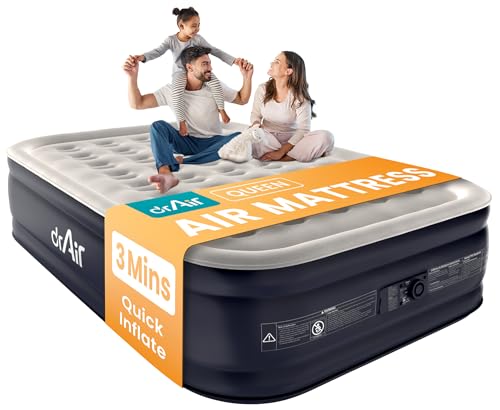
Air Bed with Sleeping Bag Attached: The Ultimate All-in-One Camping Sleep System
Stop wrestling with separate air mattresses and sleeping bags. Discover how integrated sleep systems are revolutionizing camping comfort and simplifying your outdoor adventures.
What Is an Air Bed with Sleeping Bag Attached?
An air bed with sleeping bag attached is a revolutionary camping sleep system that combines two essential pieces of gear into one cohesive unit. Instead of packing a separate air mattress and sleeping bag—and then struggling to keep them aligned throughout the night—these integrated systems feature a sleeping bag that is permanently or semi-permanently attached to an inflatable mattress base.
This design eliminates the most common frustrations of camping sleep: sliding off your mattress in the middle of the night, cold drafts creeping in between your bag and pad, and the hassle of setting up multiple pieces of equipment. For campers who prioritize convenience without sacrificing comfort, an all-in-one sleeping bag and mattress represents a significant upgrade over traditional setups.
Who is this for? Whether you're a car camper, a weekend warrior, or someone who simply wants a comfortable guest bed at home, an integrated air bed and sleeping bag system offers unmatched convenience. It's particularly valuable for those who camp frequently and want to minimize setup time.
How Do Integrated Air Bed and Sleeping Bag Systems Work?
These systems typically consist of three main components working together:
- Inflatable Air Mattress Base: The foundation is an air chamber, often with vertical or horizontal baffles to provide support and prevent rolling. Many models include a built-in pump for easy inflation. If you prefer a separate pump, you might consider a portable air pump for air mattress to speed up setup.
- Integrated Sleeping Bag Layer: A sleeping bag—often rectangular or semi-rectangular—is attached to the mattress. This can be permanent (sewn or bonded) or semi-permanent (via zippers or straps). The attachment ensures the bag stays in place, eliminating the "slide-off" problem.
- Insulation and Comfort Features: Many models include additional insulation between the air chamber and the sleeping surface to prevent cold air from pulling heat away from your body. Some feature memory foam tops or soft-touch fabrics for extra comfort.
The result is a single, cohesive sleep system that inflates and deflates as one unit. When you're ready for bed, you simply unroll it, inflate it, and climb in. No more searching for your sleeping bag in the dark or waking up on the cold ground because your bag slipped off.
Key Benefits of an Air Bed with Sleeping Bag Attached
1. Unmatched Convenience
The most obvious benefit is convenience. With a traditional setup, you need to inflate your mattress, unroll your sleeping bag, and then somehow keep them together. With an integrated system, it's one piece of gear. Setup takes minutes, and pack-up is just as fast. This is especially valuable for car camping essentials on a budget where simplicity and efficiency matter.
2. Superior Comfort and Stability
Because the sleeping bag is attached to the mattress, it stays flat and aligned. You won't wake up tangled in your bag or find yourself sleeping directly on the cold mattress surface. The integrated design also often includes a pillow-like head area or a built-in pillow pocket, further enhancing comfort. For those who struggle with traditional setups, this can be a game-changer.
3. Better Insulation
Cold air beneath you is a major source of heat loss when camping. Integrated systems often include an insulation layer between the air chambers and the sleeping surface. This design minimizes convective heat loss and keeps you warmer. If you're camping in colder conditions, combining this with a sleeping bag for very cold weather or additional layers can extend your camping season.
4. Space-Saving and Portable
While these systems are bulkier than a standalone sleeping bag, they often deflate and roll up into a compact package. Many come with a carry bag that fits easily in a car trunk or closet. For those with limited storage space, an integrated system can be more practical than storing a separate mattress and bag.
5. Versatility for Home and Camp
These systems aren't just for camping. They make excellent guest beds, sleepover solutions for kids, and even temporary beds for unexpected guests. The comfort level rivals traditional air mattresses, and the attached sleeping bag means you don't need to hunt for bedding.
What to Look for When Choosing an Air Bed with Sleeping Bag Attached
Not all integrated sleep systems are created equal. Here are the key factors to consider:
Size and Capacity
These systems come in various sizes, from twin to queen and even king. Consider who will be using it. A solo camper might prefer a twin, while couples or families may need a queen or larger. If you're tall, look for models that specify a length that accommodates your height. Some systems are designed for two people, while others are strictly single-person.
Inflation Method
Most modern air beds include a built-in pump. However, the type of pump matters. Manual pumps require physical effort, while battery-operated or rechargeable pumps offer push-button convenience. Some higher-end models include a pump that inflates and deflates automatically. If you're looking for a system that inflates quickly, prioritize a model with a built-in electric pump. Alternatively, you can use an air mattress for camping with pump if you prefer a separate pump.
Insulation and Temperature Rating
If you camp in colder weather, pay attention to the insulation. Some systems are designed for three-season use, while others are strictly for summer. Look for features like insulated air chambers, reflective layers, or a sleeping bag with a temperature rating that matches your needs. If you often camp in winter, you may want to pair an integrated system with a sleeping bag for camping in winter for extra warmth.
Durability and Materials
The mattress material should be puncture-resistant. Look for thick, durable PVC or TPU. The sleeping bag fabric should be soft yet durable, ideally with a water-resistant shell. Check the seams and zippers—these are common failure points. A well-made system will last for many seasons.
Comfort Features
Consider extras like a built-in pillow, a memory foam topper, or a soft-touch surface. Some models include a sleeping bag with memory foam base for added comfort. If you're a side sleeper, you might prefer a system with a thicker mattress or one that allows you to adjust firmness.
Portability and Storage
How compact is the system when deflated? Does it come with a carry bag? If you're limited on space, look for models that roll up tightly. Also, consider the weight—if you're car camping, weight is less of an issue, but if you're backpacking, you'll want something lighter.
Integrated Sleep Systems vs. Traditional Setup
To help you decide, here's a quick comparison between an integrated air bed with sleeping bag attached and a traditional separate mattress and sleeping bag setup:
| Feature | Integrated System | Traditional Setup |
|---|---|---|
| Setup Time | Fast (one unit) | Slower (multiple pieces) |
| Stability | Excellent (bag stays attached) | Poor (bag slides off) |
| Insulation | Often better (integrated layers) | Depends on separate components |
| Packing | Simple (one item) | More complex (multiple items) |
| Versatility | Good for camping and guests | Can mix and match components |
| Storage Space | Compact when deflated | Can take up more space |
For many campers, the convenience and comfort of an integrated system outweigh the flexibility of separate components. However, if you already own a high-quality sleeping bag and mattress, you may not need to switch. But if you're starting fresh or tired of the hassle, an integrated system is worth considering.
Tips for Getting the Most Out of Your Integrated Sleep System
- Inflate Properly: Don't over-inflate. A slightly softer mattress can be more comfortable and less prone to punctures. Follow the manufacturer's guidelines.
- Use a Ground Cover: Place a tarp or footprint under your air bed to protect it from punctures and moisture. This is especially important when camping on rough terrain.
- Insulate from Below: Even with an integrated system, adding a foam pad or reflective blanket underneath can significantly improve warmth. Check out our guide on camping pad for under sleeping bag for options.
- Ventilate: Condensation can build up inside the sleeping bag. On warmer nights, leave a small opening for airflow. On colder nights, ensure your bag is properly sealed.
- Store Correctly: When not in use, store your system loosely rolled or flat—not compressed—to extend the life of the materials and insulation.
- Clean Regularly: Wipe down the mattress with a damp cloth and mild soap. For the sleeping bag, follow the care instructions, which often involve spot cleaning or gentle machine washing.
Frequently Asked Questions
Can I use an air bed with sleeping bag attached for backpacking?
Generally, no. These systems are heavier and bulkier than ultralight backpacking gear. They are best suited for car camping, RV trips, and home use. For backpacking, consider a lightweight sleeping pad and a compact sleeping bag that fits in backpack.
How do I clean an integrated air bed and sleeping bag?
Most mattresses can be wiped down with a damp cloth and mild detergent. The sleeping bag portion is often removable or can be spot-cleaned. Always check the manufacturer's instructions. Avoid submerging the entire unit in water, as this can damage the pump and internal components.
Are these systems comfortable for side sleepers?
Comfort depends on the mattress thickness and firmness. Many integrated systems are designed with side sleepers in mind, offering thicker air chambers and softer tops. If you're a side sleeper with hip pain, you might also consider a mattress topper for side sleepers with hip pain for additional pressure relief.
What if the built-in pump fails?
Most built-in pumps are durable, but if yours fails, you can often use an external pump. Look for a model that allows manual inflation via a valve, or carry a portable air pump for air mattress as a backup.
Can I use an integrated system in winter?
It depends on the insulation. Some systems are rated for three-season use, while others are strictly for summer. For winter camping, look for a system with high insulation or pair it with a sleeping bag for very cold weather and additional insulation underneath. You may also want to check our guide on how to stay warm in winter.
How does an integrated system compare to a hammock with built-in sleeping bag?
Both offer convenience, but they serve different camping styles. A hammock with built-in sleeping bag is ideal for tree-covered campsites and those who prefer sleeping suspended. An air bed system is better for tent camping or where trees aren't available.
Final Thoughts: Is an Air Bed with Sleeping Bag Attached Right for You?
If you value convenience, comfort, and a good night's sleep in the outdoors, an air bed with sleeping bag attached is an excellent investment. It simplifies your camping setup, eliminates common frustrations, and provides a comfortable sleep surface that rivals your bed at home. Whether you're a frequent camper, a casual weekend adventurer, or someone who wants a comfortable guest bed, these integrated systems deliver.
When choosing, focus on size, inflation method, insulation, and durability. And remember, while these systems are convenient, they are just one part of a well-planned camping kit. For a complete list of essentials, check out our list of camping gear for beginners or our things to bring when going camping guide. With the right gear and a good night's sleep, your outdoor adventures will be more enjoyable than ever.