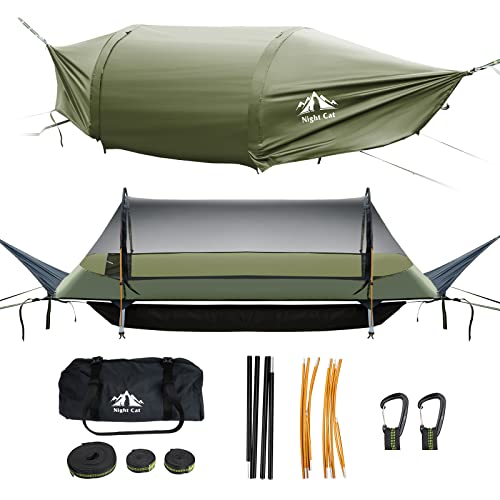
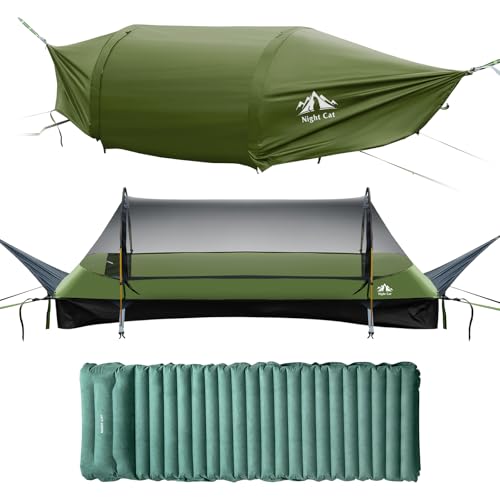
Hammock with Built In Sleeping Bag: The Ultimate All-in-One Camping Sleep System
Discover how an integrated hammock sleeping bag eliminates gear clutter, simplifies setup, and delivers unmatched comfort for your outdoor adventures.
Explore Top Picks💡 Quick Insight: A hammock with a built-in sleeping bag is a game-changer for campers who value simplicity without sacrificing warmth. Instead of juggling a hammock, underquilt, top quilt, and sleeping pad, you get one integrated system that keeps you insulated from below and above. This guide covers everything you need to know before choosing one for your next adventure.
What Is a Hammock with Built-In Sleeping Bag?
A hammock with a built-in sleeping bag is an all-in-one camping sleep system that fuses two pieces of gear into one cohesive unit. The hammock body itself is constructed with an integrated insulated layer—essentially a sleeping bag or quilt that's permanently attached or seamlessly zipped into the hammock structure. This design eliminates the traditional hammock camping problem of cold backside syndrome, where body weight compresses sleeping bag insulation beneath you, leaving you chilled.
Unlike a standard hammock where you'd need to add a separate underquilt (suspended beneath the hammock) and a top quilt or sleeping bag inside, an integrated model handles both functions in one package. The insulation stays lofted and effective because it's engineered to work with the hammock's geometry rather than being crushed against your body.
These systems have gained significant traction among backpackers, bikepackers, and casual campers alike. For those transitioning from ground camping, a hammock with a built-in sleeping bag offers a familiar warmth experience while introducing the comfort and versatility of suspended sleeping. If you're still weighing your options between sleeping on the ground versus hanging, our guide on tent vs hammock breaks down the pros and cons of each approach.
The concept also appeals to campers who want to minimize their packing list. When every ounce and every cubic inch of pack space matters, consolidating your shelter and sleep system into one item streamlines your entire setup. This is particularly valuable on multi-day trips where efficiency directly impacts your enjoyment.
How Does an Integrated Hammock Sleeping Bag Work?
Understanding the mechanics helps you appreciate why these systems perform so well in the field. Here's what happens when you use one:
- Suspension and Shape: The hammock hangs between two anchor points—typically trees, but sometimes posts or a dedicated stand. The fabric cradles your body in a gentle curve. The integrated sleeping bag portion is cut to match this curve, so insulation follows your body's natural position without gaps or compression points.
- Insulation Below: The bottom layer of the integrated bag contains insulation—down or synthetic—that stays lofty because it hangs freely beneath you rather than being squashed. This is the critical difference from using a regular sleeping bag in a hammock.
- Insulation Above: The top portion functions like a traditional sleeping bag or quilt, draping over you and sealing in warmth. Many models feature a full-length zipper or a quilt-style opening that lets you vent heat when temperatures rise.
- Entry and Exit: Most integrated systems have a side-entry or top-entry design with zippers that run along one or both sides. Some use a simple envelope style where you slide in from the top. The best designs make getting in and out intuitive, even in the dark.
- Bug Protection and Weather Resistance: Many models include an attached or integrated bug net to keep mosquitoes and other insects at bay. Some also come with a rain fly or tarp connection points, though the fly itself is usually a separate component.
The result is a sleep system that maintains consistent warmth, reduces fiddle factor at camp, and packs down to a surprisingly compact size. For backpackers counting every gram, an integrated hammock sleeping bag often weighs less than carrying three or four separate pieces of gear that perform the same function.
Key Benefits Over Traditional Hammock Camping Setups
Why choose an integrated system instead of building your own combination of hammock, underquilt, and top quilt? Here are the most compelling advantages:
✅ Advantages
- Simplified Setup: One item to hang, no separate underquilt to adjust or top quilt to arrange. You're sleeping within minutes of arriving at camp.
- Consistent Warmth: Insulation is engineered to work together, eliminating cold spots and drafts that plague mismatched components.
- Lighter Pack Weight: A single integrated system typically weighs less than a hammock + underquilt + top quilt + pad combination.
- Compact Packed Size: Fewer items mean less bulk in your backpack or bikepacking setup.
- No Gear Mismatch: You never discover at camp that your underquilt doesn't quite fit your hammock or that your pad slides around.
- Beginner-Friendly: New hammock campers avoid the steep learning curve of dialing in a multi-piece system.
- Cost-Effective at Entry: Entry-level integrated systems often cost less than buying premium separate components.
⚠️ Considerations
- Less Modularity: You can't swap out just the underquilt for a warmer one on a colder trip—the insulation rating is fixed.
- Drying Challenges: If the system gets wet, the entire unit needs to dry, which can be slower than drying separate components.
- Limited Versatility: You can't use the sleeping bag separately on the ground if you decide to switch sleep styles mid-trip.
- Weight Distribution: Some integrated systems are heavier than ultralight separate components chosen by experienced campers.
- Fewer Customization Options: You're locked into the manufacturer's choices for insulation type, temperature rating, and features.
- Repair Complexity: A tear in the integrated bag affects the whole system rather than just one replaceable component.
For campers who prioritize simplicity and predictable performance, the advantages far outweigh the trade-offs. If you're new to hammock camping, an integrated system is arguably the easiest way to get started comfortably. For those who already own a hammock and are looking to extend their camping season, check out our guide on sleeping bags for very cold weather to explore insulation options that pair well with hammocks.
Types of Hammock Sleeping Bag Systems
Not all integrated hammock systems are created equal. Understanding the different configurations helps you match a product to your specific camping style and climate.
1. Down vs. Synthetic Insulation
Down insulation offers the best warmth-to-weight ratio and packs down smaller than synthetic alternatives. It's ideal for backpackers and campers who count ounces. However, down loses its insulating ability when wet and takes longer to dry. High-quality down treated with water-repellent finishes (often called hydrophobic down) mitigates this weakness but adds cost. If you're camping in humid or rainy conditions, consider whether the performance benefits justify the extra care required.
Synthetic insulation retains warmth even when damp, dries quickly, and generally costs less than down. It's bulkier and heavier for the same warmth rating, making it less ideal for ultralight backpacking. However, for car campers, casual users, and those in consistently wet climates, synthetic is often the smarter choice. Many entry-level and mid-range integrated hammocks use synthetic insulation for exactly these reasons.
2. Temperature Ratings
Integrated hammock sleeping bags come with temperature ratings that indicate the lowest temperature at which an average sleeper will stay comfortable. These ratings assume you're wearing a base layer and using the system as designed. Common categories include:
- Warm Weather (50°F / 10°C and above): Lightweight systems designed for summer camping. Often minimal insulation, focusing on bug protection and breathability.
- Three-Season (20°F to 45°F / -7°C to 7°C): The most versatile category. These systems handle spring, summer, and fall conditions in most climates. Insulation is moderate, balancing warmth and packability.
- Winter and Extreme Cold (Below 20°F / -7°C): Heavily insulated systems for cold-weather camping. These are bulkier, heavier, and often designed with additional features like draft collars and hoods. For deep winter adventures, you may still need supplemental insulation—see our winter camping gear guide for layering strategies.
Always choose a temperature rating that's at least 10°F below the coldest temperature you expect to encounter. Sleepers who run cold should size up further. And remember: hammock camping can feel colder than ground camping because air circulates beneath you, so err on the side of caution.
3. Entry Styles
The way you get into and out of your hammock matters more than you might think, especially in the dark or when nature calls at 3 AM.
- Top Entry: You climb over the side and settle in. Simple, but can be awkward if the hammock is hung high or if you have limited mobility.
- Side Entry (Zipper): A zipper runs along one or both sides, allowing you to swing your legs in and out. This is generally the most convenient design, especially for side sleepers and anyone who gets up frequently.
- Bottom Entry: Less common but favored by some campers, this design lets you push up through a slit in the bottom. It's easy to enter but can be tricky to exit gracefully.
4. Bug Netting and Weather Protection
Most integrated hammock systems include built-in bug netting, which is essential in mosquito-prone areas. Some models have permanently attached nets, while others use zippered, removable nets for flexibility. For rain protection, you'll typically need a separate tarp or rain fly, though a few all-in-one systems include an integrated canopy. If you're camping in areas with unpredictable weather, invest in a quality tarp that's sized for your hammock—our article on essentials for camping in the rain covers tarp selection and setup.
5. Single vs. Double Hammock Widths
Single-width hammocks (around 55 inches) are lighter and fine for solo sleepers who don't move much. Double-width hammocks (around 70-80 inches) offer more room to spread out, sleep diagonally (which promotes a flatter, more comfortable lie), and accommodate gear inside the hammock. If you're taller than average or tend to toss and turn, a double-width integrated system is worth the slight weight penalty.
How to Choose the Right Hammock with Built-In Sleeping Bag
With so many options available, narrowing down your choice can feel overwhelming. Here's a practical framework to guide your decision.
Step 1: Define Your Camping Context
Where and when will you camp most often? A summer weekend car camper has very different needs than a thru-hiker tackling a long-distance trail. Be honest about your typical adventures:
- Car Camping: Weight and packed size matter less. Prioritize comfort, durability, and ease of setup. You can afford a bulkier, more feature-rich system.
- Backpacking: Weight and packability are critical. Look for ultralight materials, down insulation, and a compact stuff sack. Every ounce counts.
- Bikepacking: Similar to backpacking, but packed size may matter even more due to limited storage on a bike. Look for systems that compress tightly.
- Casual/Relaxation: If you're mostly lounging in the backyard or at a festival, prioritize comfort and ease of use over technical performance.
Step 2: Match the Temperature Rating to Your Climate
As discussed earlier, choose a rating that gives you a buffer below the coldest temperatures you expect. Don't overestimate your cold tolerance—most people sleep colder than they think. If you're unsure, opt for a warmer rating; you can always vent heat with zippers, but you can't add insulation that isn't there.
Step 3: Evaluate Insulation Type
Down vs. synthetic is a classic trade-off. Down wins on weight and packability; synthetic wins on moisture resistance and affordability. If you camp primarily in dry climates and want the lightest possible pack, go down. If you camp in humid, rainy regions or want a lower upfront cost, synthetic is the pragmatic choice.
Step 4: Assess Features and Build Quality
Look for these features when comparing models:
- Suspension System: Does it include tree straps and whoopie slings, or do you need to buy them separately? Integrated systems from reputable brands usually include everything you need.
- Zipper Quality: YKK zippers or equivalent are a sign of durable construction. Cheap zippers are a common failure point.
- Fabric Durability: Look for ripstop nylon or polyester with a denier (D) rating appropriate for your use. 40D is a good balance of durability and weight for most campers; 20D is lighter but less abrasion-resistant.
- Bug Netting: Is it permanently attached, removable, or nonexistent? Finer mesh keeps out no-see-ums; coarser mesh is more durable but less protective.
- Storage Pockets: Interior pockets for glasses, phone, or a headlamp are small conveniences that make a big difference.
- Weight Capacity: Check the manufacturer's maximum weight rating and stay well within it for safety and comfort.
Step 5: Read Reviews and Compare
Real-world user feedback is invaluable. Look for reviews that mention warmth accuracy, ease of setup, and durability over time. Pay attention to comments from campers who share your body type, sleeping style, and climate. A system that's perfect for a warm sleeper in mild conditions might leave a cold sleeper miserable in the mountains.
If you're also considering traditional sleeping bags for ground camping, our guide on sleeping bag temperature guides helps you understand rating systems and choose confidently. And for those who want the flexibility of a standard sleeping bag that works both in hammocks and on the ground, explore all-in-one sleeping bag and mattress options.
Setup and Usage Tips for Integrated Hammock Sleeping Bags
Getting the most comfort and warmth from your hammock with a built-in sleeping bag comes down to proper setup and a few field-tested techniques.
Finding the Right Hang
The ideal hammock hang is about 30 degrees from horizontal—imagine a smile, not a banjo string. Hang too tight and you'll feel squeezed and cold; hang too loose and you'll sag uncomfortably. Aim for anchor points about 12-15 feet apart. If trees are further apart, you may need longer straps or a structural ridgeline to maintain the correct sag.
Height matters too. A good rule of thumb: when you sit in the hammock, your feet should just touch the ground. This makes getting in and out easy and keeps you close enough to the ground for warmth retention (heat rises, after all).
Dialing In Warmth
Even with built-in insulation, a few adjustments can mean the difference between cozy and chilly:
- Sleep on the Diagonal: Lying at a slight angle to the hammock's centerline lets you lie flatter and reduces the "banana" curve. It also helps the integrated insulation wrap around you more effectively.
- Use a Top Quilt or Blanket: Some integrated systems have a full sleeping bag top; others use a quilt design. If yours is quilt-style, pair it with a lightweight top quilt or even a fleece blanket in colder conditions.
- Add a Pad if Needed: If you're pushing the temperature rating, a thin closed-cell foam pad or an inflatable pad beneath you adds warmth. Our guide on camping pads for under sleeping bags explains how to choose one that works in a hammock.
- Block the Wind: Wind robs heat faster than cold air alone. Position your tarp to block prevailing winds, and consider a hammock sock or underquilt protector for extra protection.
- Wear a Hat and Warm Socks: You lose significant heat through your head and feet. A beanie and wool socks make a noticeable difference.
Entry and Exit Made Easy
Practice getting in and out in daylight before you need to do it in the dark. Here's a simple technique for side-entry hammocks:
- Stand next to the hammock and unzip the entry.
- Sit down in the hammock as if you're sitting in a chair, with your feet still on the ground.
- Swing your legs up and into the hammock while leaning back.
- Adjust your position, zip up, and settle in.
To exit, reverse the process: unzip, swing your legs out, and sit up. Keep your weight centered to avoid tipping.
Camping in Rain and Humidity
Hammock camping in wet conditions requires extra preparation. Always use a tarp—even if rain isn't forecast, morning dew can soak your gear. Ensure your suspension straps don't wick water into the hammock (many straps are designed to minimize this). If you're camping in sustained rain, our article on essentials for camping in the rain covers additional strategies for staying dry and comfortable.
Care and Maintenance
An integrated hammock sleeping bag is an investment. With proper care, it will serve you well for many seasons.
Cleaning
Follow the manufacturer's instructions, but here are general guidelines:
- Spot Clean: For minor dirt and stains, use a damp cloth with mild soap. Avoid harsh detergents and bleach.
- Hand Wash or Gentle Machine Wash: If the system is machine-washable, use a front-loading machine on a gentle cycle with a technical gear detergent (like Nikwax Down Wash or Granger's). Top-loading machines with agitators can damage insulation and fabrics.
- Drying: Down insulation needs to be dried thoroughly to prevent clumping and mold. Tumble dry on low heat with clean tennis balls or dryer balls to break up clumps. Synthetic insulation dries faster and is more forgiving.
- Never Dry Clean: The chemicals used in dry cleaning can damage technical fabrics and insulation.
Storage
Never store your hammock sleeping bag compressed in its stuff sack for extended periods. Compression damages insulation loft over time. Instead, store it loosely in a large cotton or mesh storage bag in a cool, dry place. Hang it if space allows.
Repairs
Small tears in the fabric can be patched with adhesive repair tape (like Tenacious Tape). For zipper issues, a zipper lubricant (like Gear Aid Zip Care) can restore smooth operation. If the insulation is damaged or the suspension system fails, contact the manufacturer for repair options.
Seasonal Maintenance
Before storing for the off-season, clean and dry the system thoroughly. Check for wear on straps, zippers, and fabrics. Store in a dry, pest-free location. Before your next trip, inspect again and re-loft the insulation by shaking it out.
Ready to Upgrade Your Camping Comfort?
Browse our curated selection of top-rated hammocks with built-in sleeping bags. Find the perfect match for your next adventure.
View Recommended Products ↓Frequently Asked Questions
A hammock with a built-in sleeping bag is an all-in-one camping sleep system that combines a suspended hammock with an integrated insulated sleeping bag or quilt. This design eliminates the need for separate sleeping pads, bags, and underquilts, streamlining your gear and simplifying setup.
Yes, many models are designed for three-season and even winter camping. The integrated insulation prevents the sleeping bag from compressing under your body weight, a common issue with traditional hammock setups. For extreme cold, look for models with additional under-insulation or pair them with a top quilt.
Setup is straightforward: find two sturdy trees or posts about 12-15 feet apart, attach the suspension straps at a comfortable height, and hang the hammock with a gentle 30-degree sag. The integrated sleeping bag is already attached, so you simply unzip, climb in, and zip up. No separate pad or bag to arrange.
Absolutely. These systems are popular among backpackers because they reduce overall gear weight and pack size. A single integrated unit often weighs less than carrying a hammock, underquilt, top quilt, and pad separately. Look for models labeled as ultralight or backpacking-specific for the best portability.
Key factors include temperature rating, insulation type (down vs. synthetic), packed size, weight, suspension system included, and ease of entry/exit. Consider the climate you'll camp in, whether you sleep warm or cold, and if you need bug netting or a rain fly. Quality zippers and durable fabrics are also important for longevity.
Generally, no. These systems are designed specifically for hanging. The insulation and shape are optimized for hammock geometry, and the bottom insulation would be compressed if used on the ground. If you need a system that works both ways, consider a traditional sleeping bag paired with a hammock, or explore all-in-one sleeping bag and mattress options designed for ground camping.
If you already own a hammock and want to extend its warmth, you'll need an underquilt (insulation suspended beneath the hammock) and a top quilt or sleeping bag. A sleeping pad can work in a pinch but tends to slide around. Our guide on sleeping bags for very cold weather covers insulation options in detail.
Related Guides and Resources
Expand your camping knowledge with these related articles:
- Tent vs Hammock: Which Is Better for Your Camping Style?
- Hammock That Can Be Used As A Tent: Hybrid Options
- 2-Person Hammock with Mosquito Net: Buyer's Guide
- Sleeping Bag Temperature Guide: Understanding Ratings
- All-in-One Sleeping Bag and Mattress Systems
- Camping Pad for Under Sleeping Bag: Choosing the Right One
- Essentials for Camping in the Rain
- Winter Camping Gear Guide
- Sleeping Bags for Very Cold Weather
- Ultralight Bikepacking Sleeping Bag Options