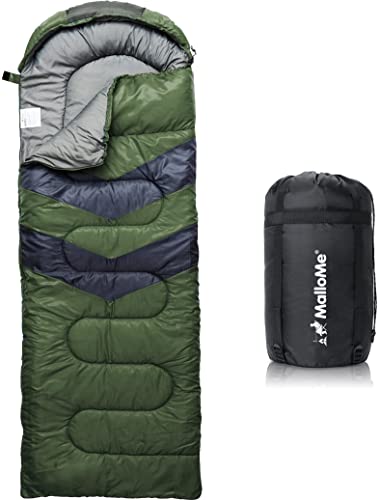
Sleeping Bag for Camping in Winter: The Ultimate Guide
Don't let the cold keep you indoors. Learn how to choose the perfect winter sleeping bag to stay warm, safe, and comfortable on your next cold-weather camping adventure.
SEE TOP PICKSWinter camping offers a serene and magical experience, but it also presents unique challenges, particularly when it comes to staying warm. A standard three-season sleeping bag simply won't cut it when temperatures plummet. The right sleeping bag for camping in winter is arguably the most critical piece of gear for your survival and comfort. It's not just about staying cozy; it's about safety. A bag that's inadequate for the conditions can lead to a miserable night or, in worst-case scenarios, hypothermia.
This guide is designed for campers who are past the initial research phase and are ready to make an informed purchase. We will break down the technical jargon, explain temperature ratings, compare insulation materials, and help you match the right bag to your specific winter adventures. By the end, you'll have the knowledge to confidently select a bag that will keep you warm for many winters to come.
Key Takeaway: The "best" winter sleeping bag is a balance of warmth, weight, packability, and features that match your specific needs. There is no single perfect bag for everyone.
1. Decoding Temperature Ratings: What Do They Really Mean?
Temperature ratings are the most important, yet often misunderstood, specification of a sleeping bag. You'll see three main numbers: Comfort, Limit, and Extreme. It's crucial to understand what each one means for your winter camping trip.
- Comfort Rating: The temperature at which an average adult woman (or a cold sleeper) can get a comfortable night's sleep. This is the number you should prioritize for a reliable night's rest.
- Lower Limit Rating: The temperature at which an average adult man (or a warm sleeper) can sleep for eight hours without waking up cold. This is often the "headline" rating, but it's not a guarantee of comfort for everyone.
- Extreme Rating: This is a survival rating, not a comfort rating. It indicates the lowest temperature at which a person can survive for six hours without major health risks (like hypothermia). You should never plan to sleep at a bag's extreme rating.
For winter camping, look for a bag with a Comfort Rating that is at least 10-15 degrees Fahrenheit (5-8 degrees Celsius) below the lowest temperature you expect to encounter. This gives you a safety buffer. If you're a cold sleeper, add another 10 degrees. To learn more about how ratings work across different conditions, see our full Sleeping Bag Temperature Guide.
2. Down vs. Synthetic Insulation: The Great Debate
The insulation inside your bag is what traps heat. The two main types are down and synthetic. Your choice depends on your priorities, especially for winter conditions.
Down Insulation
Down is the gold standard for winter sleeping bags due to its incredible warmth-to-weight ratio. It's lighter and packs down much smaller than synthetic insulation. High-quality down is measured by its "fill power" (e.g., 600, 800, or 900+). A higher fill power means the down is loftier, trapping more air and providing more warmth for its weight.
Pros: Exceptional warmth-to-weight ratio, highly compressible, durable if cared for properly.
Cons: Loses all insulating ability when wet, requires careful cleaning, and is more expensive (typically premium or top-tier in terms of market positioning).
Synthetic Insulation
Synthetic bags use materials like polyester to mimic down's structure. While they are heavier and bulkier, their key advantage is that they retain some insulating ability even when wet. This can be a critical safety feature in damp winter environments.
Pros: Retains warmth when wet, more affordable (budget-friendly to mid-range), easier to clean, hypoallergenic.
Cons: Heavier, less compressible, and has a shorter lifespan than down (the fibers lose their loft over time).
| Feature | Down Insulation | Synthetic Insulation |
|---|---|---|
| Warmth-to-Weight | Excellent | Good |
| Packability | Excellent (very compressible) | Fair (bulkier) |
| Performance When Wet | Poor (loses all insulation) | Good (retains some insulation) |
| Durability & Lifespan | Excellent (with proper care) | Good (loft degrades over time) |
| Market Tier | Mid-range to Luxury | Budget-friendly to Mid-range |
3. Shape, Fit, and Essential Winter Features
A bag's shape and features are critical for maximizing heat retention. For winter, the goal is to minimize the empty space inside the bag that your body has to heat.
Shape
- Mummy Bags: The standard for winter camping. They are tapered from the shoulders to the feet, contouring to your body shape to reduce air space and improve thermal efficiency. They also usually include a hood and a draft collar.
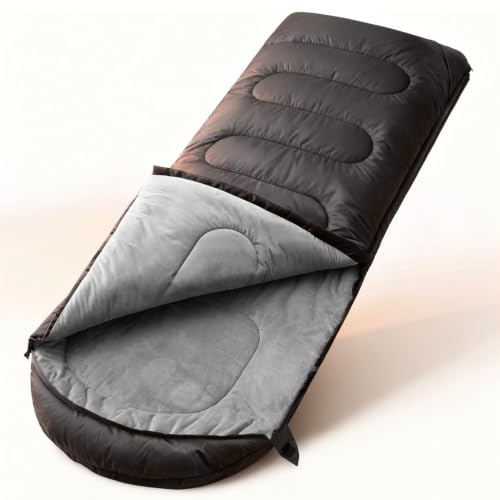
- Rectangular Bags: More spacious and comfortable but far less thermally efficient. They are generally not recommended for serious winter camping unless you plan to use them in a heated cabin or yurt.
- Double-Wide Bags: These can be a great option for couples who want to share body heat. Some bags, like a sleeping bag for adults for winter, are designed to be zipped together. For couples, a 2-person sleeping bag cold weather model can be a very efficient way to stay warm, as you can share a single, larger pocket of warmth.
Essential Winter Features
- Draft Collar: A tube of insulation that sits around your neck and shoulders, sealing in heat and preventing cold air from entering the bag.
- Draft Tube (along the zipper): A insulated flap that covers the zipper to block cold air from seeping through the zipper teeth.
- Insulated Hood: A well-fitted hood that can be cinched around your face is non-negotiable for winter. You lose a tremendous amount of heat through your head.
- Vented Foot Box: Some bags offer a slightly vented foot box to prevent overheating, which can lead to moisture buildup.
- Durable Shell Fabric: Look for a water-resistant and durable ripstop nylon or polyester shell to protect the insulation from the elements.
4. How to Match Your Sleeping Bag to Your Winter Adventure
Your choice of bag should be dictated by the type of winter camping you plan to do. A bag for a weekend car camping trip is very different from one for a multi-day backcountry expedition.
Car Camping & Base Camp
When weight and pack size aren't a concern, you can prioritize comfort and warmth. You can opt for a bulkier synthetic bag or a very warm down bag. You might even consider bringing extra insulation like a camping pad for under sleeping bag to boost its performance. For those who prefer a more traditional bed setup, an all-in-one sleeping bag and mattress can be a convenient and comfortable solution.
Backpacking & Winter Expeditions
In this scenario, weight and packability are paramount. A high-fill-power down bag is essential. Every ounce counts. You'll want a bag that is specifically rated for the extreme conditions you might face. For the most severe conditions, you might look at a specialized sleeping bag for very cold weather. If you're bikepacking, a compact ultralight bikepacking sleeping bag can be a game-changer.
Understanding Your Temperature Needs
While this guide focuses on winter, it's helpful to understand the full spectrum. A bag for a mild winter night might be rated similarly to a sleeping bag for 30 degree weather. For a deep winter trip, you'll need something more robust, like a sleeping bag for 20 degree weather. Always choose a bag that is warmer than you think you'll need.
5. Our Top Picks for Winter Sleeping Bags
Based on our research and analysis, we've selected a range of winter sleeping bags that excel in different categories. The products below are displayed via the Amazon Creators API, which provides the most up-to-date information.
Frequently Asked Questions (FAQ)
Can I use a summer sleeping bag in winter if I wear extra layers?
No, this is a very common and dangerous mistake. A summer bag is not designed to trap enough heat or block drafts. Wearing extra layers inside a bag that is too cold for the conditions will not generate enough warmth and can lead to hypothermia. The insulation of the bag itself is what matters most.
How do I clean my winter sleeping bag?
Always follow the manufacturer's instructions. Generally, down bags should be washed with a specialized down soap in a front-loading washing machine on a gentle cycle, then dried on low heat with dryer balls. Synthetic bags can typically be washed with a mild detergent. Never dry clean a sleeping bag, as the chemicals can damage the insulation.
What is a sleeping bag liner and do I need one for winter?
A sleeping bag liner is a thin sheet that goes inside your bag. It can serve multiple purposes: it adds a few degrees of warmth, it keeps your bag clean from body oils and sweat, and it can be used alone as a lightweight summer bag. For winter, a fleece or thermal liner can be a great way to boost your bag's temperature rating. For warmer weather, a sleeping bag liner for hot weather can be used on its own.
How should I store my sleeping bag?
Never store your sleeping bag in its stuff sack. This compresses the insulation and damages its loft over time. Store it loosely in a large cotton or mesh storage sack in a cool, dry place. This is especially important for down bags.
What is the best sleeping pad for winter camping?
Your sleeping pad is just as important as your bag. The ground will draw heat away from your body. For winter, you need a pad with a high R-value (a measure of thermal resistance). An R-value of 5 or higher is recommended for winter. A closed-cell foam pad combined with an inflatable pad is a very warm and reliable system. For more comfort, consider a 4 inch self-inflating sleeping pad.
Final Thoughts on Choosing Your Winter Sleeping Bag
Investing in a high-quality winter sleeping bag is an investment in your safety and enjoyment of the outdoors. By understanding temperature ratings, insulation types, and key features, you can make a purchase that will serve you well for many winters. Remember to prioritize warmth and safety over all else. A good night's sleep in the cold is the foundation of a successful and memorable winter camping trip.
For those just starting out, it can be helpful to review a general list of camping gear for beginners to ensure you have all your other essentials covered. And for your next adventure, consider one of the many incredible best winter camping in US destinations.