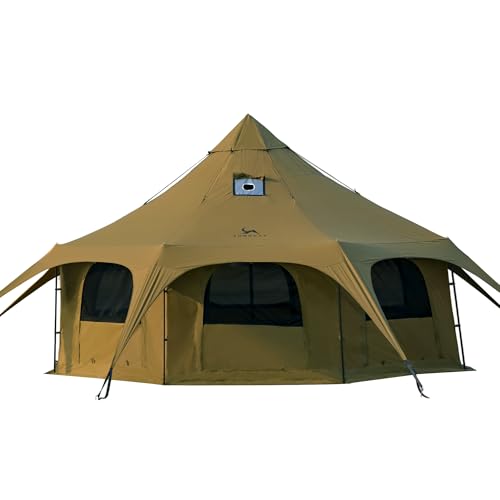
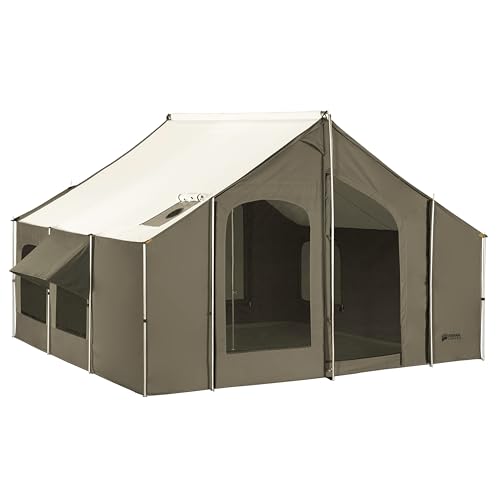
4 Season Canvas Tent with Stove Jack: The Ultimate Winter Camping Shelter
Everything you need to know about choosing, using, and maintaining a four-season canvas tent with a stove jack for year-round comfort in the wild.
START READINGWhy a 4 Season Canvas Tent with Stove Jack? For campers who refuse to let cold weather end their adventures, a four-season canvas tent with a stove jack is the gold standard. Unlike standard nylon tents, canvas breathes, insulates, and handles snow loads with ease. Adding a stove jack transforms your shelter into a warm, cozy basecamp where you can dry gear, cook, and relax — even when temperatures plummet. This guide will walk you through every consideration so you can choose with confidence.
What Exactly Is a 4 Season Canvas Tent with Stove Jack?
A 4 season canvas tent with stove jack is a heavy-duty shelter designed for year-round use, with specific features that make it excel in winter. The "4 season" designation means it can handle snow, high winds, and freezing temperatures — not just summer breezes. The "canvas" material is typically a breathable cotton-poly blend that regulates humidity and stays quiet in the wind. The "stove jack" is a heat-resistant port (usually silicone or fiberglass) that allows a wood stove pipe to exit the tent safely, providing heat without risking burns or carbon monoxide buildup.
These tents are often used for hot tent camping, a style that combines traditional winter camping with the comfort of a wood stove. They are also popular among hunters, ice fishermen, and anyone who wants to extend their camping season into the coldest months. If you're new to cold-weather camping, start with our winter camping guide to understand the basics before investing in a canvas tent.
Key Features to Evaluate Before You Buy
Canvas Material & Weight
Look for 8–10 oz cotton-poly blends. Heavier canvas (10 oz+) is more durable and insulating but heavier to pack. Premium models often use treated canvas for mold resistance.
Stove Jack Type
Silicone-coated fiberglass jacks are standard. Some high-end tents have adjustable or removable jacks. Ensure the jack diameter matches your stove pipe (typically 3–5 inches).
Shape & Peak Height
Wall tents, bell tents, and cabin tents are common. Higher peak height (7+ ft) improves livability but may reduce wind resistance. Consider your primary use case.
Ventilation System
Canvas tents need roof vents and adjustable windows to prevent condensation. Look for mesh-covered vents that can be closed from inside.
Floor & Footprint
Some models include a heavy-duty floor; others are floorless. Floorless designs allow snow melting and are easier to clean but require a ground tarp.
Frame & Poles
Aluminum poles are lighter; steel poles are stronger. Premium tents may use a combination. Check for reinforced pole sleeves and guy-line attachment points.
The Stove Jack: Your Tent's Heart in Winter
The stove jack is what separates a true four-season canvas tent from a standard winter tent. Without it, you cannot safely run a wood stove inside. Here's what to consider:
- Material: High-temperature silicone or fiberglass. Cheaper tents may use a simple metal ring, which can rust and conduct heat poorly.
- Diameter: Match your stove pipe. Common sizes are 3", 4", and 5". Some jacks are adjustable with removable inserts.
- Location: Centered or offset? Centered jacks distribute heat more evenly; offset jacks allow for a larger sleeping area.
- Weather Protection: A storm collar or rain cap around the jack prevents water and snow from entering when the stove is not in use.
- Safety: Always maintain clearance between the stove pipe and tent walls. Use a spark arrestor and never leave a fire unattended. Review our campfire safety rules for more tips.
If you're considering a smaller tent, a 4 person canvas tent with stove jack is a great option for small groups or families. For solo campers, a 4 season tent with stove jack for sale might be more appropriate. And if you want the ultimate in durability and space, a 4m fire retardant bell tent with stove hole is worth exploring.
Comparing 4 Season Canvas Tent Tiers
To help you decide which tier fits your needs, here's a breakdown of what you can expect at each level. Remember, higher tiers generally offer better materials, craftsmanship, and longevity — but the best choice depends on your frequency of use and conditions.
| Feature | Entry-Level | Mid-Range | Premium / Luxury |
|---|---|---|---|
| Canvas Weight | 8 oz cotton blend | 10 oz cotton-poly | 10–12 oz treated canvas |
| Stove Jack | Basic silicone ring | Reinforced fiberglass | Adjustable, high-temp silicone |
| Ventilation | 1–2 small vents | Multiple mesh vents | Full ventilation system with storm flaps |
| Frame | Steel poles | Aluminum alloy | Heavy-duty aluminum or hybrid |
| Floor | Optional / none | Included PVC floor | Heavy-duty zip-in floor |
| Best For | Occasional weekend trips | Regular winter campers | Expedition, full-time winter use |
For those who camp in extreme conditions, a premium tent is an investment in safety and comfort. But if you're just starting out, a mid-range model offers an excellent balance. You can also explore winter tents for more general guidance on cold-weather shelters.
How to Choose the Right Size and Shape
Size and shape are critical for comfort and performance. Here are some guidelines:
- Solo or Couple: A 4-person tent is often ideal for 1–2 people with gear and a stove. Look for a 4 person canvas tent with stove jack for a balance of space and warmth.
- Family or Group: Consider a 6-man pop-up tent or larger canvas wall tent. More space means more heating power needed, so a bigger stove may be required.
- Shape: Wall tents offer the most usable space and are easy to set up. Bell tents are more aerodynamic and shed snow well. Cabin tents provide vertical walls but can be heavier.
- Height: If you want to stand up, look for a peak height of at least 6.5–7 feet. Many camping tents you can stand up in are available in canvas.
- Portability: Canvas tents are heavy. If you need to hike in, consider a lighter option like a 4 season roof top tent hard shell, though these typically don't have stove jacks.
For those who prefer a more permanent basecamp, a cabin camping setup might be more suitable. But for the ultimate winter adventure, nothing beats a canvas tent with a stove.
Setup, Maintenance, and Safety Tips
Proper setup and maintenance ensure your tent lasts for years and keeps you safe.
Setting Up on Snow or Frozen Ground
Setting up on snow requires special techniques. Use snow stakes or bury deadmen anchors. Clear a level area and pack the snow down. For detailed steps, see our guide on setting up a tent in the snow. If you're on a platform, check our tips for setting up a tent on a platform.
Staying Warm and Safe
Even with a stove, you need proper insulation. Use a winter sleeping bag rated for the conditions, and consider a comfortable sleeping pad for insulation from the ground. Never sleep with the stove burning unattended. Ensure proper ventilation to avoid carbon monoxide poisoning. Our winter camping safety guide covers this in detail.
Maintenance
Canvas tents should be completely dry before storing to prevent mold. Clean with a soft brush and mild soap. Re-waterproof the canvas periodically with a canvas-safe treatment. Store in a cool, dry place. For more tips, read about how long tents last and whether expensive tents are worth it.
Frequently Asked Questions
Ready to Extend Your Camping Season?
A 4 season canvas tent with stove jack opens up a world of winter adventure. Browse our recommended gear below to find your perfect shelter.
VIEW RECOMMENDED TENTSFor more winter camping inspiration, explore our guides on winter camping gear, how to stay warm in winter, and best winter camping in the US. If you're considering a different type of shelter, you might also be interested in 4 season canvas tents with stove jacks or pop-up ice fishing tents with wood stoves.