
4 Season Roof Top Tent Hard Shell: The Ultimate Year-Round Overlanding Shelter
For overlanders, campers, and adventure seekers, a roof top tent is more than just a place to sleep—it's a mobile basecamp. But when your journeys don't stop when the temperature drops, you need a shelter that can handle everything from summer heat to winter snowfall. A 4 season roof top tent hard shell is the pinnacle of versatility, offering superior weather protection, rapid setup, and unmatched durability. This guide will walk you through everything you need to know to choose the perfect hard shell rooftop tent for your year-round adventures.
Explore Top PicksWhy a Hard Shell Roof Top Tent is a Game-Changer
While soft-shell rooftop tents have their place, hard shell models offer distinct advantages that are especially crucial for four-season camping. The rigid clamshell or pop-up design is not just about style; it's about function. The aerodynamic shape reduces wind noise and improves fuel efficiency, while the solid shell provides a level of protection that fabric covers simply can't match. When you're camping in unpredictable conditions, this robust construction becomes your first line of defense against the elements.
The primary benefit for a four-season camper is the superior weather resistance. The hard shell lid, often made from ABS plastic, aluminum, or fiberglass, sheds rain and snow effortlessly. It also provides better insulation than a single layer of canvas, helping to keep the interior warmer in winter and cooler in summer. This makes a 4 season roof top tent hard shell a true year-round investment. Furthermore, the setup and takedown process is significantly faster and easier. With most models, you simply unlatch a few straps and the gas struts help the tent pop up in seconds, a massive advantage when you arrive at camp in the dark or in bad weather.
Critical Features of a True 4 Season Hard Shell Tent
Not all hard shell tents are created equal. To earn the "4 season" designation, a tent must possess specific features designed for harsh conditions. When researching, pay close attention to the following:
- Insulation and Fabric: Look for tents with a high denier (e.g., 280g or higher) poly-cotton canvas or a similar breathable, weather-resistant material. Many true 4-season models include an additional quilted insulation layer, which is vital for retaining heat. Without it, condensation can become a major issue. An anti-condensation mat is a critical accessory to consider.
- Frame and Shell Construction: The shell should be robust and weather-sealed. Aluminum is lightweight and rust-resistant, while ABS plastic is durable and impact-resistant. The internal frame, often made from aluminum or steel, must be strong enough to support snow loads.
- Ventilation: Proper airflow is crucial to prevent condensation, which can lead to a damp, cold interior. Look for tents with multiple vents, including a large skylight vent and side windows with awnings that can be left open even in light rain.
- Weather Sealing: Check the zippers (should be covered by storm flaps) and the seams (should be taped or sealed). The seal between the hard shell and the base is also a critical point for water entry.
- Mattress: A comfortable, high-density foam mattress is standard in most quality hard shell tents. For winter camping, consider adding a comfortable sleeping pad on top for extra warmth and comfort.
Hard Shell vs. Soft Shell: The Four-Season Verdict
While soft shell tents are often more spacious and can accommodate larger families, their four-season performance is generally inferior. The fabric walls of a soft shell are more susceptible to wind, rain, and snow penetration. They also take longer to set up and pack away. A hard shell tent's aerodynamic profile and solid lid make it inherently better at shedding the elements. For a solo adventurer or a couple, a hard shell is often the superior choice for winter or high-altitude camping. However, if you need space for a roof top tent for family of 4, you might need to look at larger soft-shell models or a hard shell roof top tent with annex.
Another factor is the internal volume. A clamshell hard shell tent has a sloped roof, which can feel a bit more confined than a cabin-style soft shell. But for sleeping and escaping the weather, it's an incredibly cozy and secure feeling. The time saved on setup is also a safety consideration in bad weather. If you're looking for the absolute easiest setup, a hard shell is unbeatable. You can also find models like the easiest roof top tent to set up which are almost exclusively hard shell designs.
Choosing the Right Size for Your Crew
Hard shell tents are typically available in two-person, three-person, and four-person configurations. The stated capacity is often a tight fit, so it's wise to size up if you're on the fence.
- Solo or Couple: A 2 person hard shell roof top tent is the most common and manageable size. It's perfect for a solo traveler who wants extra space or a couple. Models like a low profile hard shell roof top tent are ideal for those who want to minimize wind resistance and maintain a sleek vehicle profile.
- Small Family or Friends: A 3 person hard shell roof top tent offers a bit more room. For a true family setup, a 4 person roof top tent hard shell is the way to go. These larger models often have a wider base and can comfortably sleep two adults and two small children.
- Large Families: For a family of five, you'll likely need a very large model or two tents. A 5 person roof top tent hard shell or a roof top tent for family of 5 will be your best bet, though these are less common in the hard shell category and may require a larger vehicle.
Mounting and Vehicle Compatibility
Before you buy, you must ensure your vehicle can safely support a roof top tent. This isn't just about the static weight of the tent; it's about the dynamic load rating of your roof rack. The tent, plus the weight of the occupants, must not exceed your vehicle's roof load limit.
You'll need a robust roof rack system. Most hard shell tents mount to crossbars. If you have a truck, you have more options. You can mount a hard shell roof top tent for truck on a bed rack, which keeps the weight lower and the center of gravity more stable. For a full-size truck, a roof top tent for full size truck might be mounted over the cab or the bed. Some people even mount a roof top tent mounted on truck bed rails for a clean, integrated look. Always consult your vehicle's manual and a professional if you're unsure about your roof's capacity.
Setup, Takedown, and Real-World Use
One of the biggest advantages of a hard shell tent is the speed. The process is usually: unlatch the straps, let the gas struts lift the shell, and then extend the ladder. You're ready to sleep in under a minute. Takedown is just as quick. This is a game-changer for road trips where you're setting up camp every night. The ease of use encourages you to camp more spontaneously.
However, there are a few things to keep in mind. You'll need a safe, level spot to park. You also need to be comfortable climbing a ladder, especially in the dark. For winter camping, you'll want to manage condensation carefully by keeping vents open and using an anti-condensation mat. The interior can get warm and cozy with a good sleeping bag, but you'll want to be prepared for the cold when you descend the ladder. Having a winter emergency kit is always a smart idea.
For those who want to extend their living space, an annex is a great addition. A hard shell roof top tent with annex provides a private room below for changing, storage, or an extra sleeping area, making it a true basecamp.
Maintenance for Longevity
A quality hard shell tent is an investment, and with proper care, it will last for many seasons. Always ensure the tent is completely dry before closing it for an extended period to prevent mold and mildew. Clean the canvas with a mild soap and water solution, and avoid harsh chemicals. Periodically check the seals, zippers, and hardware. Lubricate zippers with a silicone-based lubricant. If you're storing it for the winter, keep it in a cool, dry place. This simple maintenance will protect your investment and ensure your 4 season roof top tent hard shell is ready for your next adventure.
Best 4 Season Hard Shell Roof Top Tents
⚠️ AFFILIATE DISCLOSURE: This website contains affiliate links. As an Amazon Associate, we earn from qualifying purchases. If you make a purchase through these links, we may receive a small commission at no additional cost to you. Read our full affiliate policy.

WildFinder Rooftop Tent, Hard Shell Roof Top Tent for Jeep SUV Truck Van

Adventurer Pro Rooftop Tent Hard Shell, 2-3 Person Aluminum Roof Top Tent

Solar Panel Rooftop Tent Hard Shell,Pop Up Car Roof Top Tent Hardshell

Naturnest Rooftop Tent Hard Shell, Easy Set Up Large Roof Tent for 4 Person Camping Top Tents, Waterproof UV-Resistant Privacy 4 Season Tents for Truck, Jeep, SUV, Trailer - Sirius 1 Plus XL

Rooftop Tent Hard Shell with Winter Insulation for 4-Season Camping

WildFinder Rooftop Tent, Hard Shell Roof Top Tent for Jeep SUV Truck Van | Aluminum Pop Up Roof Tent with LED Light Strip, Camping Car Roof Tent for 2-3 Person, Hardshell Rooftop Tent

Design Roof Tent Car 4 Season Roof Top Tent Hard Shell Aluminum 4WD Roof Top Tent 3 Person
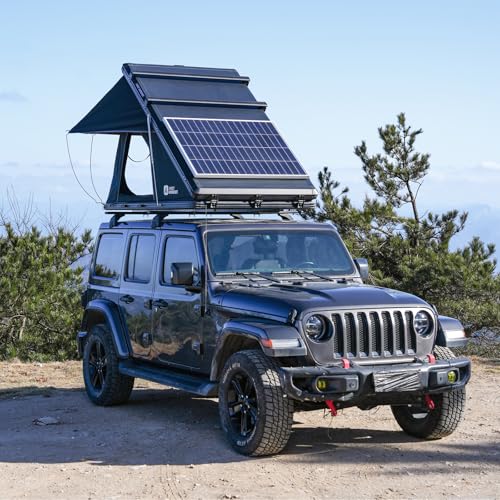
Solar Panel Rooftop Tent Hard Shell with Winter Thermal Layer
Frequently Asked Questions
Are hard shell roof top tents good for winter camping?
Yes, they are excellent for winter camping. Their solid shell provides better insulation and weather protection than soft-shell tents. Look for a model specifically rated as "4 season," which will include a thicker canvas and often an insulation layer. Proper ventilation is key to managing condensation in cold weather.
Can I put a roof top tent on any car?
Not every car. You need a vehicle with a roof rack that can handle the dynamic weight of the tent and its occupants. Always check your vehicle's owner's manual for the maximum roof load capacity. Many smaller cars cannot safely support a roof top tent.
How long does it take to set up a hard shell roof top tent?
Setup is very fast, typically under one minute for the tent itself. You just unlatch the straps and the gas struts raise the shell. You then need to attach and extend the ladder, which adds a few more seconds. This is one of the main advantages over soft-shell tents.
What is the difference between a 3-season and a 4-season roof top tent?
The main differences are in materials and construction. A 4-season tent will have a more robust canvas (higher denier), better weather sealing, and often an additional insulation layer or provision for one. A 3-season tent is designed for milder conditions and may not handle heavy snow or extreme cold as effectively.