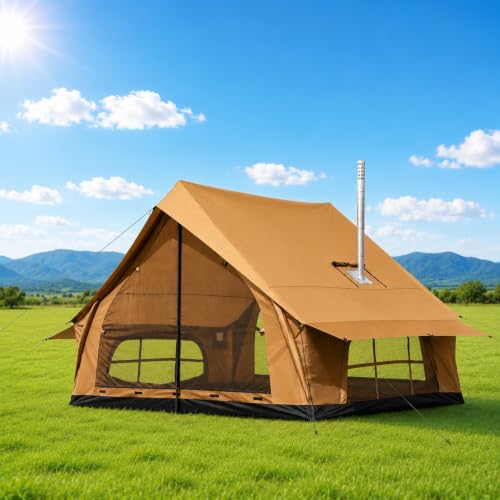
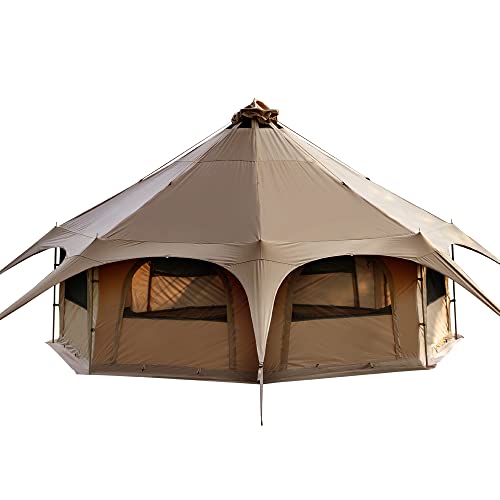
4 Person Canvas Tent with Stove Jack: The Ultimate Cold-Weather Shelter
Everything you need to know about choosing, using, and maintaining a 4-person canvas tent with a stove jack for year-round camping comfort.
View Recommended ModelsWhy a 4 Person Canvas Tent with Stove Jack?
For campers who refuse to let cold weather end their adventures, a 4 person canvas tent with stove jack represents the perfect fusion of traditional craftsmanship and modern functionality. Unlike standard nylon tents that trap moisture and offer limited insulation, canvas tents breathe naturally while a wood stove provides radiant heat that keeps the interior cozy even in freezing temperatures.
The "4 person" designation typically refers to a tent with a floor area of roughly 8x10 feet or similar dimensions—enough space for four sleeping bags side by side, or more comfortably for two campers with gear. When you add a stove jack, you transform this shelter into a true four-season basecamp capable of supporting hot tent camping expeditions in snow, sleet, and sub-zero conditions.
This guide will walk you through every consideration: from canvas weight and stove jack placement to condensation management and safe stove operation. Whether you're a winter camping enthusiast or a family looking for a durable hunting camp shelter, understanding these tents will help you make an informed decision.
What Is a Stove Jack and Why Does It Matter?
A stove jack is a heat-resistant opening—typically made from silicone-coated fiberglass or similar fireproof material—installed in the tent's roof or wall. It allows a stovepipe to exit the tent safely while sealing the opening against rain, snow, and drafts when the stove is not in use.
Without a stove jack, using a wood stove inside a tent is extremely dangerous. The jack provides a dedicated, insulated passage for the pipe, preventing the hot metal from contacting flammable canvas. Most quality 4 season canvas tents with stove jacks feature reinforced patches around the jack and often include a removable cover for summer use.
Key Stove Jack Considerations:
- Pipe Diameter Compatibility: Most jacks accommodate 3-inch to 6-inch stovepipes. Ensure the jack size matches your stove's flue.
- Placement: Centered roof jacks allow for symmetrical heat distribution. Side-wall jacks can work with certain tent layouts but may require a spark arrestor and careful pipe angling.
- Material Quality: High-temperature silicone fiberglass resists degradation better than cheaper alternatives. Look for jacks rated for continuous high-heat exposure.
- Weather Seal: A good jack includes a snug collar and a rain flap to prevent water intrusion when the stove is removed.
When properly installed and used, a stove jack enables you to run a small wood stove for hours, drying wet clothing, melting snow for water, and maintaining a comfortable interior temperature even when outside temperatures plummet. For more on safe heating practices, see our guide to winter camping heaters.
Canvas vs. Synthetic Materials: Why Canvas Wins for Stove Tents
While synthetic fabrics like nylon and polyester dominate the mainstream tent market, canvas remains the preferred material for stove-equipped tents. Here's why:
Breathability
Canvas allows moisture vapor to escape, reducing condensation inside the tent—a critical factor when using a stove that produces water vapor as a byproduct of combustion.
Heat Resistance
Natural cotton canvas chars rather than melts when exposed to sparks or radiant heat, providing a crucial safety margin around stove areas.
Durability
With proper care, a high-quality canvas tent can last decades. The fabric withstands UV exposure, abrasion, and repeated folding better than many synthetics.
Thermal Comfort
Canvas has a higher thermal mass than nylon, meaning it warms up more slowly and retains heat longer, creating a more stable interior environment.
The trade-off is weight and packed size—canvas tents are significantly heavier than synthetic equivalents. A 4-person canvas tent with stove jack might weigh 40-70 pounds, making it unsuitable for backpacking but ideal for car camping, hunting camps, and basecamps accessible by vehicle or pack animal. For those who prioritize portability, consider a 4 person cabin camping tent with instant setup as a summer alternative.
Key Features to Evaluate in a 4 Person Canvas Tent with Stove Jack
1. Canvas Weight and Treatment
Canvas weight is measured in ounces per square yard (oz/yd²). Common weights include:
- 10 oz: Entry-level, lighter, less durable. Suitable for mild conditions and occasional use.
- 12 oz: Mid-range, good balance of durability and weight. The most common choice for recreational campers.
- 13-16 oz: Premium, heavy-duty. Used in expedition and professional-grade tents. Excellent longevity.
Look for canvas treated with mildew-resistant and water-repellent finishes. Some manufacturers use "Sunforger" or similar treatments that enhance UV and water resistance without compromising breathability.
2. Stove Jack Quality and Size
The stove jack should be reinforced with a heat-resistant patch at least 12 inches in diameter. Check that the jack opening matches your intended stovepipe diameter. Many tents come with a 5-inch or 6-inch jack, accommodating popular small wood stoves. Adjustable jacks that fit multiple pipe sizes offer flexibility.
3. Frame and Pole System
Most 4-person canvas tents use either:
- External Frame: Poles on the outside, often with a ridge pole and uprights. Easier to set up in wind and rain.
- Internal Frame: Poles inside the tent. More streamlined but can be trickier to assemble solo.
Look for sturdy poles—aluminum or galvanized steel—with a diameter of at least 1 inch for stability. Guy line attachment points should be reinforced.
4. Ventilation
Proper ventilation is critical when using a stove. Look for:
- High and low vents to promote airflow
- Windows with mesh screens
- A vent near the stove area to supply combustion air
- Roof vents that can be opened even in rain
5. Floor Options
Some canvas tents come with integrated floors; others are floorless. Floorless models are popular for stove use because they allow you to dig out a fire pit or place a heat shield directly on the ground. However, they admit more insects and moisture. A zip-in floor or a separate ground cloth offers versatility. For cold-weather camping, an insulated floor mat can dramatically improve comfort—see our recommendations for the most comfortable sleeping pad for car camping.
6. Doors and Windows
A large, well-placed door makes moving gear and stove wood easier. Consider a tent with a door awning for rain protection. Windows should have both mesh and solid canvas panels for versatility.
Setting Up and Using Your Canvas Stove Tent
Site Selection
Choose a level, well-drained spot. Clear the area of debris, rocks, and overhanging branches. If using a stove, ensure the ground beneath the stove area is non-flammable—mineral soil or a fireproof mat is ideal. Avoid setting up under trees with dead branches, and position the tent so the stovepipe exits away from prevailing winds to prevent downdrafts.
Assembly Tips
- Practice setting up your tent at home before your trip. Canvas tents can be heavy and awkward, especially in wind.
- Lay out the tent and identify all poles and stakes. Many manufacturers color-code poles for easy assembly.
- Stake the corners first, then assemble the frame. If it's windy, have a helper hold the tent while you secure it.
- Install the stove jack cover when not using a stove. This prevents rain entry and keeps insects out.
Stove Installation and Safety
When installing a stove:
- Place the stove on a non-combustible surface. Many campers use a piece of sheet metal or a commercial stove board.
- Maintain at least 12-18 inches of clearance between the stove and canvas walls. Follow the stove manufacturer's recommendations.
- Assemble the stovepipe, ensuring all sections are securely connected. Use a spark arrestor at the top.
- Feed the pipe through the stove jack. The jack's collar should fit snugly around the pipe.
- Never leave a burning stove unattended. Extinguish the fire completely before sleeping or leaving the tent.
- Ensure adequate ventilation—carbon monoxide is a silent killer. Keep a vent open even in cold weather.
For comprehensive fire safety practices, review our campfire safety rules and how to extinguish a campfire guides.
Managing Condensation
Condensation is the enemy of any tent, especially when a stove is running. Canvas breathes, but in extreme cold, moisture can still accumulate. Tips to minimize it:
- Ventilate: Keep a high vent open to let moist air escape.
- Use a floor: A floor or ground cloth reduces ground moisture.
- Dry gear outside: Don't dry wet clothing inside the tent if possible; the moisture has to go somewhere.
- Use a stove: The heat from a stove helps dry the air and the tent fabric itself.
Canvas Tent Tiers: Entry-Level to Premium
The following table outlines typical characteristics you can expect at different quality tiers. Use this as a general guide—specific features vary by manufacturer.
| Feature | Entry-Level | Mid-Range | Premium |
|---|---|---|---|
| Canvas Weight | 10 oz | 12 oz | 13-16 oz |
| Stove Jack | Basic, 5-inch, single layer | Reinforced, 6-inch, silicone-coated | Heavy-duty, adjustable, multi-layer |
| Frame | Basic steel poles | Aluminum or galvanized steel | Heavy-duty aluminum, reinforced joints |
| Ventilation | Minimal (1-2 vents) | Good (3-4 vents, windows) | Excellent (strategic high/low vents, large windows) |
| Floor | Usually floorless | Optional zip-in floor | Integrated or heavy-duty zip-in floor |
| Durability | 3-5 years with care | 7-10 years with care | 15+ years with care |
| Best For | Occasional car campers | Regular campers, hunters | Expeditions, professional use |
When comparing value, remember that mid-range models typically offer significantly better stove jack quality and ventilation than entry-level options, while premium tents provide the longevity and features that serious winter campers demand. For a broader perspective on tent longevity, see our article how long do tents last.
Maintaining Your Canvas Stove Tent
Proper care extends the life of your investment and ensures safety.
After Each Trip:
- Brush off dirt and debris while the tent is still pitched.
- Ensure the tent is completely dry before packing. Even slight dampness can lead to mildew.
- Clean the stove jack and inspect for wear or damage.
Seasonal Maintenance:
- Re-waterproof the canvas as needed with a canvas-specific treatment.
- Inspect seams and re-seal if necessary.
- Check stove jack for cracks or deterioration. Replace if compromised.
- Store in a cool, dry place away from rodents. Never store in a damp basement or garage.
Mildew Prevention:
If mildew spots appear, clean with a diluted vinegar solution and dry thoroughly in the sun. For severe mildew, commercial canvas cleaners are available. Never use bleach, which damages canvas fibers.
Frequently Asked Questions
Can I use a propane heater in a canvas tent with a stove jack?
While technically possible, propane heaters produce significant moisture and carbon monoxide. If using propane, ensure extreme ventilation and never use a catalytic heater without a CO detector. Wood stoves are generally preferred for canvas tents due to their dry heat and the stove jack's design for solid fuel exhaust.
How many people can comfortably sleep in a 4 person canvas tent with a stove?
A 4-person canvas tent typically measures around 8x10 feet. With a stove installed, you'll lose some floor space for clearance and the stove itself. Realistically, two to three people with gear can sleep comfortably. Four is possible if you're just sleeping and have minimal gear. For family camping, a larger tent may be more suitable—see our guide to the big family tent with rooms and living room.
What size stove fits in a 4 person canvas tent with stove jack?
Small to medium wood stoves are ideal. Look for stoves with a firebox of approximately 12-18 inches and a 5-6 inch stovepipe. Avoid oversized stoves that can overheat the tent or consume too much oxygen. The stove should be proportional to the space—too large and you'll be opening windows in winter; too small and you'll struggle to stay warm.
Can I use a 4 person canvas tent with stove jack in summer?
Yes, but it's overkill. Canvas tents are heavy and can be hot in summer. However, if you already own one, simply remove the stove, cover the jack, and open all vents. Many campers appreciate the durability and space of a canvas tent for extended summer basecamps. For lighter summer options, consider a 4 man pop-up tent with living area.
Is it safe to sleep in a canvas tent with a wood stove burning?
No. You should never sleep with a wood stove burning unattended. Extinguish the fire completely before sleeping. Carbon monoxide is a serious risk. If you need warmth through the night, use a properly rated sleeping bag and insulate your sleeping pad. For more cold-weather sleeping strategies, see our guide to keeping a tent warm in cold weather.
Final Thoughts: Is a 4 Person Canvas Tent with Stove Jack Right for You?
A 4 person canvas tent with stove jack is a specialized piece of gear that excels in specific scenarios: winter camping, hunting camps, extended basecamps, and any situation where you need reliable shelter and heat in cold weather. It's not a backpacking tent, and it's not for casual summer car campers who prioritize light weight and quick setup.
If you fall into the category of camper who values durability, comfort, and four-season capability, a canvas stove tent is an investment that will serve you for many years. Prioritize a quality stove jack, adequate ventilation, and proper canvas weight. Practice safe stove operation, and you'll enjoy a level of camping comfort that synthetic tents simply cannot match.
Before you head out, review our winter camping safety guide and ensure you have the essential gear for winter camping. For those considering other roof-top options for winter adventures, explore 4 season roof top tent hard shell alternatives.
Ready to find your perfect tent? Check out our recommended models below.