Understanding 2 Person Tent Categories
Not all two-person tents are created equal. The market segments into distinct categories based on intended use, and understanding these categories is the first step toward making a confident purchase.
Backpacking and Ultralight Tents
When every ounce matters, a 2 person backpacking tent becomes your home on the trail. These models prioritize low weight and compact packed size, often using lightweight aluminum poles, silnylon or Dyneema fabrics, and minimalist designs. They typically feature a double-wall construction to manage condensation, with a separate rainfly and inner tent body. The trade-off is interior space and durability compared to car camping models, but for thru-hikers and backcountry explorers, that's a worthy compromise.
Car Camping and Basecamp Tents
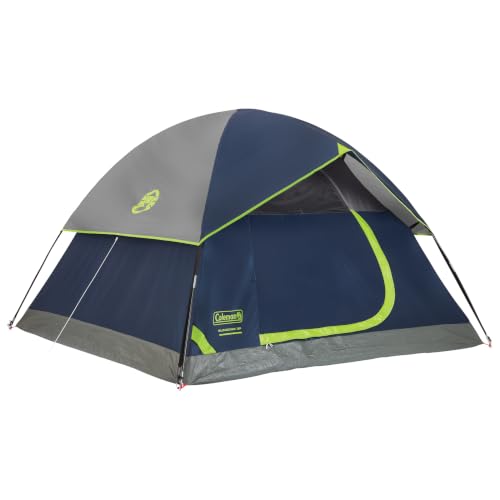
If your adventures revolve around a vehicle-accessible campsite, a 2 person tent designed for car camping offers greater comfort and convenience. These tents tend to be heavier and bulkier, but they reward you with taller ceilings, larger vestibules, and more durable fabrics. Many include features like pre-attached poles, color-coded setup systems, and storage pockets. For those who want the ultimate in spaciousness, a 2 person tent you can stand up in transforms your campsite into a livable retreat.
Pop-Up and Instant Tents
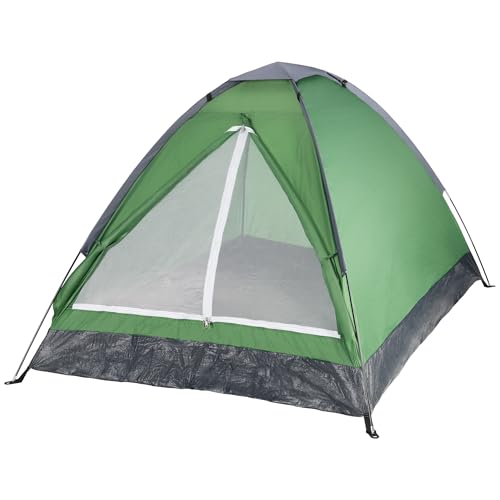
For campers who value speed above all else, a 2 person compact portable pop-up tent eliminates the frustration of pole assembly. These tents spring into shape in seconds, making them ideal for festivals, beach trips, and spontaneous overnighters. A 2 person pop-up tent with air mattress bundle takes convenience even further by combining shelter and sleeping comfort in one package.
Key Features to Evaluate Before Buying
Beyond category, several specific features determine how a tent performs in real-world conditions. Pay close attention to these elements when comparing models.
Capacity and Floor Dimensions
Tent capacity ratings assume sleeping pads placed side by side with minimal gear. A true two-person tent should offer at least 30 square feet of floor area, with dimensions around 7 feet by 4.5 feet. If you want room for gear or a dog, look for a model with closer to 35 square feet. The guide to choosing tent size can help you match capacity to your specific needs.
Peak Height and Livability
Peak height determines whether you can sit up comfortably, change clothes, or crouch-walk inside. Most 2 person tents offer 40 to 48 inches of peak height. Models approaching 60 inches or more allow most adults to stand fully upright, which is a game-changer for extended trips. These camping tents you can stand up in are heavier but dramatically more comfortable for basecamp living.
Doors and Vestibules
Two doors are a hallmark of a well-designed 2 person tent. They allow each occupant independent entry and exit without climbing over the other. Paired with two vestibules, they provide separate covered storage for boots, packs, and gear. Single-door models save weight but compromise convenience, especially during rainy weather.
Season Rating and Weather Protection
Three-season tents handle spring, summer, and fall conditions, with mesh panels for ventilation and a rainfly for rain protection. Four-season tents add solid fabric panels and sturdier poles to handle snow loads and high winds. If you plan to camp in winter, a four-season tent with stove jack allows you to run a wood stove for heat, extending your camping season into the coldest months.
Setup Mechanism
Traditional pole-and-sleeve designs are reliable and pack small. Freestanding dome tents can be moved after assembly, making site selection easier. Instant tents use pre-attached poles that snap into place. For beginners, an easiest 2 person tent to set up can mean the difference between a relaxing arrival and a stressful one.
Comparing 2 Person Tent Types at a Glance
| Tent Type | Best For | Weight Range | Interior Space | Setup Complexity | Typical Tier |
|---|---|---|---|---|---|
| Ultralight Backpacking | Thru-hikers, solo backpackers | Very Light | Compact | Moderate | Premium |
| Car Camping Dome | Couples, weekend campers | Moderate | Roomy | Easy | Mid-Range |
| Stand-Up Cabin | Basecampers, tall campers | Heavy | Very Roomy | Easy | Mid-Range |
| Pop-Up / Instant | Festivals, beginners, quick trips | Moderate | Moderate | Very Easy | Entry-Level |
| Four-Season Mountaineering | Winter camping, alpine expeditions | Heavy | Compact | Complex | Luxury |
Materials and Construction: What to Look For
The materials used in a tent's construction directly impact its weight, durability, and weather resistance. Understanding these differences helps you evaluate whether a tent's tier classification aligns with your expectations.
Fabric Types
Polyester and nylon are the two primary tent fabrics. Polyester resists UV degradation better and doesn't stretch when wet, making it ideal for rainflys and long-term sun exposure. Nylon is lighter and stronger for its weight, which is why ultralight tents favor it. The question of whether nylon or polyester is better for tents depends on your priorities: nylon for weight savings, polyester for durability and weather stability.
Waterproof Ratings
Tent fabrics are measured in hydrostatic head (mm). A rating of 1,200mm handles light rain, while 3,000mm or higher withstands sustained downpours. Floor fabrics typically need higher ratings than rainflys because they face ground moisture and abrasion. Entry-level tents often use 800–1,500mm coatings, while premium expedition tents exceed 5,000mm.
Pole Materials
Aluminum poles dominate the market because they're light, strong, and don't shatter like fiberglass. Higher-end aluminum alloys (like DAC Featherlite) save weight without sacrificing strength. Fiberglass poles are heavier and less durable but keep entry-level tents affordable. For any tent expected to face wind, aluminum is the clear choice.
Setting Up Your 2 Person Tent in Challenging Conditions
Even the best tent requires proper technique to perform well. These guides will help you handle common setup challenges.
- Rain: Learn the art of setting up a tent in the rain to keep your interior dry.
- Beach: Sand presents unique anchoring challenges. Follow this guide for setting up a tent on the beach.
- Platforms: Many state parks provide wooden platforms. Here's how to handle setting up a tent on a platform.
- Snow: Winter camping requires different stakes and techniques. See our guide for setting up a tent in the snow.
- Concrete: Some campsites have hard surfaces. Discover tents that can be set up on concrete using alternative anchoring methods.
Sleeping Comfort Inside a 2 Person Tent
Your tent is only as comfortable as the sleep system inside it. For two people sharing a tent, sleeping pads and bags are critical investments.
Self-inflating or air pads provide cushioning and insulation from the ground. Look for pads with an R-value of 3 or higher for three-season camping. When it comes to sleeping bags, a comfortable sleeping bag for adults rated for the expected low temperatures ensures restful nights. Couples may prefer a comfortable sleeping bag for camping that can be zipped together. For those who want to eliminate the pad-and-bag combo, an all-in-one sleeping bag and mattress simplifies the setup.
If you're camping in cold weather, a camping electric blanket powered by a camping power bank can add warmth without bulky bedding. And for the ultimate in tent sleeping comfort, understanding the most comfortable way to sleep in a tent can transform your outdoor experience.
Frequently Asked Questions About 2 Person Tents
Final Thoughts: Matching Your Tent to Your Adventure
Choosing the right 2 person tent comes down to honestly assessing how you camp. Backpackers need light and compact. Car campers can prioritize space and comfort. Festival-goers want speed and simplicity. Winter adventurers require bombproof construction. There is no single best tent for everyone, but there is a best tent for your specific needs.
Use this guide as a framework for your research. Consider the features that matter most for your typical trips, read reviews from campers who share your style, and don't overlook the importance of a good sleep system to pair with your shelter. With the right tent, your campsite becomes a comfortable, reliable home base for all your outdoor adventures.