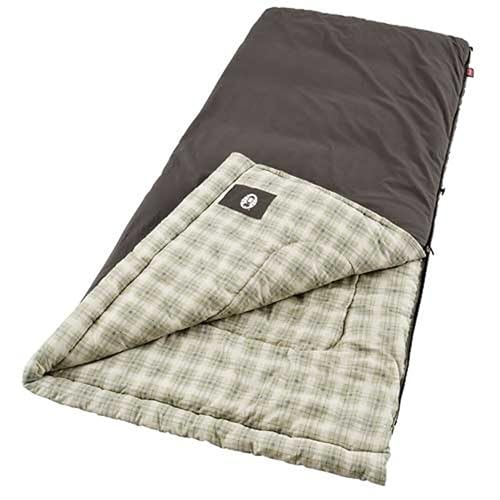
Comfortable Sleeping Bag for Adults
Your complete guide to finding the perfect sleeping bag for a restful night outdoors. Learn about temperature ratings, insulation, shapes, and features.
START READINGWhy Comfort Matters: A good night's sleep is the foundation of any successful camping trip. For adults, a comfortable sleeping bag is not a luxury—it's a necessity. Whether you're a weekend car camper or a serious backpacker, the right bag can mean the difference between waking up refreshed and spending the night tossing and turning. This guide will walk you through everything you need to know to make an informed decision.
Understanding Sleeping Bag Temperature Ratings
The temperature rating is the most critical specification to understand when choosing a comfortable sleeping bag for camping. It indicates the lowest temperature at which an average adult can expect to sleep comfortably. However, these ratings are not universal and can be interpreted differently by manufacturers.
Most ratings come with three key values: Comfort (the temperature at which an average adult woman can sleep comfortably), Lower Limit (the temperature at which an average adult man can sleep comfortably), and Extreme (a survival-only rating, not for comfortable sleep). For adults, it's best to look at the Comfort or Lower Limit rating, depending on your personal tolerance to cold. If you're a cold sleeper, always opt for a bag with a rating 10–15 degrees lower than the expected nighttime temperature. For a deeper dive, see our sleeping bag temperature guide.
Insulation Types: Down vs. Synthetic
The insulation is what keeps you warm. The two main types are down and synthetic, each with distinct advantages and disadvantages.
Down Insulation
Down is made from the undercoating of duck or goose feathers. It is prized for its exceptional warmth-to-weight ratio and compressibility. High-quality down bags (measured by fill power) are incredibly lightweight and pack down very small, making them ideal for backpacking. However, down loses its insulating properties when wet and is more expensive. It requires careful cleaning and storage.
Synthetic Insulation
Synthetic insulation is typically made from polyester fibers. It is more affordable, durable, and retains some insulating ability even when wet. This makes it a great choice for damp climates or for campers who are concerned about moisture. While it is heavier and bulkier than down, modern synthetic bags have improved significantly in terms of warmth-to-weight ratio. They are also easier to clean and care for.
Down Pros
- Superior warmth-to-weight ratio
- Highly compressible
- Long-lasting if cared for
Down Cons
- Expensive (top-tier)
- Useless when wet
- Requires special cleaning
Synthetic Pros
- Affordable (entry-level to mid-range)
- Insulates when wet
- Easy to clean
Synthetic Cons
- Heavier and bulkier
- Less durable over time
- Lower warmth-to-weight ratio
Sleeping Bag Shapes: Mummy, Rectangular, and Semi-Rectangular
The shape of your sleeping bag affects both comfort and thermal efficiency. Here's a breakdown of the most common shapes:
| Shape | Description | Best For |
|---|---|---|
| Mummy | Contoured to the body with a hood. Most thermally efficient. | Backpackers, cold weather, weight-conscious campers. |
| Rectangular | Boxy shape with plenty of room to move. Often can be unzipped into a quilt. | Car campers, warm weather, those who feel claustrophobic. |
| Semi-Rectangular | A hybrid that offers more room than a mummy but is more efficient than a rectangular bag. | All-around camping, a balance of comfort and performance. |
For adults who prioritize comfort, a semi-rectangular or rectangular bag is often the best choice. However, if you're camping in cold weather or need to save space, a mummy bag is superior. If you're considering a mummy bag but want more room, look for a most comfortable way to sleep in a tent guide for tips on sleeping positions.
Key Features for Adult Comfort
Beyond insulation and shape, several features contribute to a sleeping bag's comfort:
- Hood: A well-fitted hood traps heat around your head. Look for a hood with a drawstring for adjustability.
- Draft Collar: A draft collar seals around your neck and shoulders to prevent warm air from escaping.
- Draft Tube: A draft tube runs along the zipper to block cold air from entering through the zipper teeth.
- Zipper Location: A left- or right-side zipper is standard. Some bags offer a full-length zipper that allows the bag to be opened flat like a quilt.
- Pad Sleeves: Some bags have a sleeve to hold a sleeping pad in place, preventing you from sliding off during the night. This is especially useful for active sleepers. Consider pairing your bag with a camping sleeping pad for optimal comfort.
- Storage: A compression sack is essential for backpacking, while a cotton storage sack is best for long-term storage to preserve the insulation's loft.
Additional Considerations for Adults
When selecting a sleeping bag, keep these additional factors in mind:
Size and Fit
A bag that is too small will compress the insulation and feel restrictive. A bag that is too large will have extra air space that your body has to heat. Most manufacturers offer regular and long sizes. If you are taller than 6 feet, a long size is recommended. For side sleepers, a wider bag or a quilt may be more comfortable.
Weight and Packability
If you plan to backpack, weight and packed size are critical. Down bags are generally lighter and more compressible. For car camping, weight is less of a concern, and you can prioritize comfort features like extra room and a plush lining. If you're a backpacker, check out our guide to camping backpacks to find a pack that fits your gear.
Care and Maintenance
Proper care extends the life of your sleeping bag. Always store your bag loosely in a cotton sack, not in its compression sack. Clean it according to the manufacturer's instructions—down bags require special down wash, while synthetic bags can be washed with a gentle detergent. For more tips on keeping your gear in top shape, see our camping storage and organization guide.
Frequently Asked Questions
What is the most comfortable sleeping bag shape for adults?
For most adults, a semi-rectangular or rectangular bag offers the best comfort due to the extra room for movement. However, mummy bags are warmer and lighter, making them a better choice for cold-weather camping or backpacking. The "most comfortable" shape depends on your personal sleeping style and intended use.
Is down or synthetic better for a comfortable sleeping bag?
Down is generally more comfortable for its superior warmth-to-weight ratio and breathability, but it is more expensive and requires more care. Synthetic is more affordable, durable, and performs better in wet conditions. For a comfortable experience, choose down for dry, cold climates and synthetic for damp or unpredictable weather.
How do I choose the right temperature rating?
Choose a bag with a comfort rating that is at least 10–15 degrees lower than the lowest temperature you expect to encounter. If you sleep cold, opt for an even lower rating. Always check the specific temperature rating system used by the manufacturer, as they can vary. You can learn more in our sleeping bag temperature guide.
Can I use a sleeping bag for car camping?
Absolutely. In fact, car camping allows you to bring a larger, heavier, and more comfortable sleeping bag. You can opt for a rectangular bag with a flannel lining or even a double-wide bag for couples. Since weight isn't an issue, prioritize comfort and durability. For more car camping essentials, see our car camping essentials list.
How should I store my sleeping bag to keep it comfortable?
Store your sleeping bag loosely in a large cotton or mesh storage sack. Never store it compressed in its stuff sack, as this can damage the insulation over time. Keep it in a cool, dry place away from direct sunlight. Proper storage ensures your bag remains lofty and comfortable for years.
Final Thoughts: Investing in a comfortable sleeping bag for adults is one of the best decisions you can make for your outdoor adventures. By understanding temperature ratings, insulation types, shapes, and key features, you can find a bag that suits your specific needs and ensures a restful night's sleep. Whether you're a casual camper or a seasoned backpacker, the right bag will transform your camping experience. For more tips on getting a good night's sleep outdoors, explore our guide on the most comfortable way to sleep in a tent.