
Sub Zero Sleeping Bag: Your Ultimate Guide to Extreme Cold Weather Warmth
When the temperature drops below freezing, an ordinary sleeping bag won't cut it. Discover how to choose a sub zero sleeping bag that keeps you warm, safe, and comfortable in the harshest winter conditions.
FIND YOUR PERFECT BAGWhy Trust This Guide? We've researched temperature ratings, insulation types, and real-world performance so you can confidently invest in a sleeping bag designed for extreme cold. Whether you're a winter camper, mountaineer, or emergency prepper, this guide will help you make an informed decision.
What Makes a Sleeping Bag "Sub Zero"?
A sub zero sleeping bag is specifically engineered to keep you warm in temperatures that drop below 0°F (-18°C). Unlike standard three-season bags, these bags feature advanced insulation, robust construction, and thoughtful design elements that trap heat and block out the cold. When you're camping in winter, having the right bag isn't just about comfort—it's about survival.
If you're new to cold-weather camping, it's wise to first understand the fundamentals of winter camping and how to stay warm in winter. A sub zero bag is a critical component of your winter camping gear arsenal. It's also worth reviewing our sleeping bag temperature guide to understand how ratings work.
Key Features to Look For in a Sub Zero Sleeping Bag
Temperature Rating
The most critical spec. Look for a bag rated at 0°F (-18°C) or lower. The "lower limit" rating is typically the safest benchmark for comfort. For extreme conditions, consider bags rated to -20°F (-29°C) or even -40°F (-40°C).
Insulation Type
Down insulation offers the best warmth-to-weight ratio and compressibility. Synthetic insulation is heavier but performs better if it gets wet. For sub zero conditions, high fill-power down (800+) is often the preferred choice.
Fill Power & Weight
Fill power measures down quality. Higher fill power (e.g., 800-900) means more loft and warmth per ounce. Premium bags use ultra-high fill power down to minimize weight while maximizing heat retention.
Shell & Lining Materials
A water-resistant or waterproof shell is essential to protect against condensation and snow. Breathable linings help manage moisture. Look for ripstop nylon or polyester with a durable water repellent (DWR) finish.
Shape & Fit
Mummy bags are the most thermally efficient, as they minimize air space around your body. However, they can feel restrictive. Some winter bags offer a semi-rectangular shape for more room at the expense of some warmth.
Baffle Construction
Baffles are the internal walls that hold insulation in place. Box baffles are superior for cold weather as they eliminate cold spots. Continuous baffles allow you to shift down to where you need it most.
Comparing Sub Zero Sleeping Bag Tiers
Sub zero sleeping bags are available in different quality tiers. Understanding these tiers helps you align your purchase with your specific needs and frequency of use. The table below outlines the general characteristics of each tier.
| Feature | Entry-Level | Mid-Range | Premium / Expedition |
|---|---|---|---|
| Insulation | Synthetic or lower fill-power down (550-650) | High-quality down (700-800 fill power) | Ultra-high fill-power down (850-900+) |
| Shell Material | Standard nylon or polyester | Ripstop nylon with DWR | Waterproof/breathable membranes (e.g., Gore-Tex) |
| Baffle Design | Stitched-through or simple baffles | Box baffles in key areas | Full box baffles with differential fill |
| Weight & Packability | Heavier and bulkier | Moderate weight and packed size | Lightweight and highly compressible |
| Durability | Good for occasional use | Great for regular seasonal use | Excellent for frequent, extreme expeditions |
| Best For | Budget-conscious car campers, occasional winter trips | Enthusiastic winter campers, backpackers | Mountaineers, polar explorers, serious alpinists |
How to Choose the Right Sub Zero Sleeping Bag
Selecting the perfect sub zero sleeping bag involves more than just picking the lowest temperature rating. Consider these factors to ensure you get the right bag for your adventure:
- Know Your Conditions: Will you be camping in wet snow, dry cold, or extreme wind? A bag with a waterproof shell is vital for wet environments, while a highly breathable bag is better for dry cold.
- Consider Your Sleeping Style: Cold sleepers should opt for a bag with a lower temperature rating than the expected low. If you sleep warm, you may be comfortable with a bag rated closer to the actual temperature.
- Factor in Your Pad: A sleeping bag's rating assumes you're using a pad with an appropriate R-value. For sub zero conditions, you'll need a high R-value pad (R-5 or higher). Explore our guides on ultralight camping sleeping pads and sleeping pads for backpacking.
- Think About Packability: If you're backpacking, weight and packed size are crucial. Down bags compress much smaller than synthetic options.
- Check the Fit: A bag that's too large will have more air to heat, reducing efficiency. A bag that's too small will compress the insulation, creating cold spots.
- Don't Forget Accessories: A liner for sleeping bag can add warmth and keep your bag clean. A silk sleeping bag liner adds a few degrees of warmth without much weight.
Essential Gear to Pair With Your Sub Zero Bag
A sub zero sleeping bag is the centerpiece of your sleep system, but it works best when paired with other high-quality gear. Here are some essential items to consider:
Sleeping Pad
Insulation from the ground is critical. Look for pads with an R-value of 5 or higher. Options like the ultralight camping sleeping pad or self-inflating camping mattress are excellent choices.
Sleeping Bag Liner
Adds warmth and protects your bag. A liner for sleeping bag or silk sleeping bag liner can boost warmth by several degrees.
Winter Tent
A winter tent or hot tent provides a sheltered environment that complements your sleeping bag's performance. Proper tent setup on snow is also key.
Insulated Clothing
Wearing the right layering clothing for winter and winter boots for camping ensures you stay warm from head to toe.
Emergency Communication
In extreme conditions, safety is paramount. Carry a satellite communicator or emergency beacon and review winter camping safety protocols.
Sleeping Bag Care
Proper care extends the life of your bag. Learn how to store it loosely and wash it with appropriate cleaners to maintain loft and performance.
Frequently Asked Questions About Sub Zero Sleeping Bags
What temperature rating should I look for in a sub zero sleeping bag?
For true sub zero conditions, look for a bag rated at 0°F (-18°C) or lower. If you're a cold sleeper or expecting temperatures well below zero, consider a bag rated to -20°F (-29°C) or -40°F (-40°C). Always check whether the rating is a "comfort" or "lower limit" rating; the lower limit is a better indicator for cold weather use.
Is down or synthetic insulation better for sub zero sleeping bags?
Down insulation is generally superior for sub zero conditions because it offers the best warmth-to-weight ratio and compresses smaller. However, down loses its insulating ability if it gets wet. Synthetic insulation is heavier and bulkier but retains warmth even when damp. For extreme cold and dry conditions, high-fill-power down is the top choice. For wet, cold environments, a synthetic bag or a down bag with a waterproof shell may be better.
Can I use a sub zero sleeping bag in warmer weather?
Yes, but it can be uncomfortable. A sub zero bag is designed to trap a lot of heat. In warmer temperatures, you may overheat. Many winter bags have features like a full-length zipper or a venting system that allows you to regulate temperature. However, for three-season camping, a dedicated three-season bag is usually more appropriate. You can also use a 3-season sleeping bag for milder conditions.
How do I care for my sub zero sleeping bag?
Proper care is essential to maintain loft and performance. Always store your bag loosely in a large cotton or mesh storage sack—never in its stuff sack. Clean it according to the manufacturer's instructions, typically using a gentle, down-specific cleaner for down bags. Avoid dry cleaning, which can damage the insulation. For more tips, refer to our general winter camping gear guide.
What is the difference between a 0-degree and a sub-zero sleeping bag?
A 0-degree bag is rated for temperatures around 0°F (-18°C). A sub-zero bag is a broader term for any bag designed for temperatures below freezing, often including 0°F, -20°F, and -40°F ratings. If you're regularly camping in temperatures that drop below 0°F, you'll want a bag specifically rated for sub-zero temperatures, such as a zero degrees sleeping bag or a 0 degree sleeping bag.
Ready to Conquer the Cold?
Explore our curated selection of top-rated sub zero sleeping bags and gear below. Whether you're a beginner or a seasoned expeditioner, we've got you covered.
Shop Sub Zero Sleeping BagsRecommended Sub Zero Sleeping Bags & Cold Weather Gear
⚠️ AFFILIATE DISCLOSURE: This website contains affiliate links. As an Amazon Associate, we earn from qualifying purchases. If you make a purchase through these links, we may receive a small commission at no additional cost to you. Read our full affiliate policy.

Coleman North Rim 0°F Big & Tall Sleeping Bag, Cold-Weather Mummy Sleep Sack with No-Snag Zipper & Adjustable Hood for Warmth & Ventilation, Large Camping Sleeping Bag
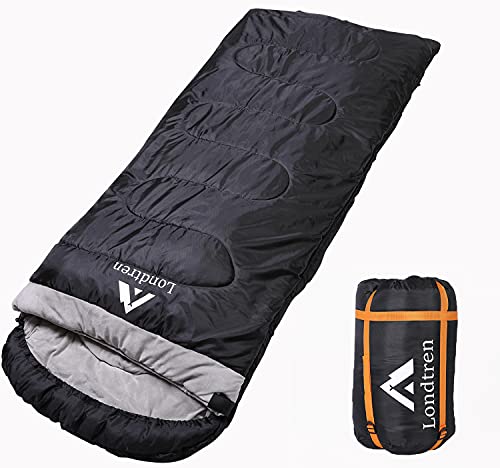
Londtren Large 0 Degree Sleeping Bags for Adults Cold Weather Sleeping Bag Camping Winter Below Zero 20 15 Flannel Big and Tall XXL

RIOYALO 0 Degree Winter Sleeping Bags for Adults, Cold Weather Camping

MEREZA 0 Degree Winter Sleeping Bag for Adults Kids with Pillow, Cold Weather Sleeping Bag for 4 Season Camping Hiking Backpacking Sleeping Bags for Big and Tall
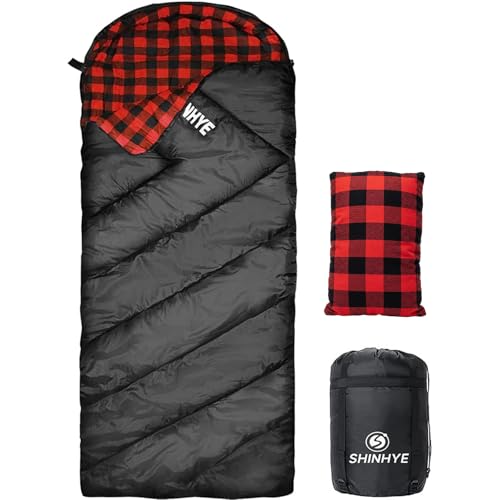
ShinHye 0 Degree Sleeping Bag for Adults - Cotton Flannel 4 Season Cold Weather Winter, XXL Big and Tall Camping Sleeping Bag with Compression Sack (Black1, 90"×35" Right Zip)

HiZYNICE Sleeping Bags for Adults XXL Cold Weather
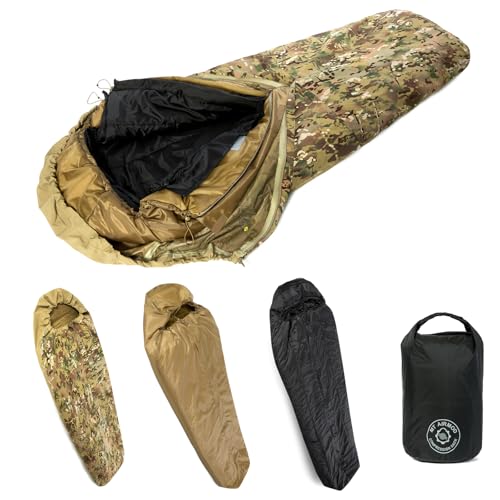
MT Modular Sleep System – 4-Piece Tactical Sleeping Bag Set with Front-Zip Design and Vacuum Compression Sack – USGI MSS Style, Upgraded for Outdoor, Survival & Field Use Multi-Terrain
