Washington Campsite Guide: From Cascades to Coast
Discover the best camping spots in Washington State. Whether you're a beginner looking for a first-time camping experience or a seasoned adventurer seeking Washington Cascades wilderness, this guide covers everything you need for an unforgettable trip.
Washington State offers an incredibly diverse range of camping experiences. From the misty rainforests of the Olympic Peninsula to the arid Columbia Basin, from alpine meadows in the North Cascades to rugged Pacific coastline, there's a campsite for every preference. This guide will help you navigate the options, understand seasonal considerations, and choose the right gear for your Washington adventure.
Camping in Washington requires preparation. The state's weather can change rapidly, especially in mountain regions. Whether you're planning a camping trip in summer or a winter camping excursion, understanding the terrain, regulations, and necessary equipment is key to a safe and enjoyable experience.
Types of Washington Campsites
1. National Park & State Park Campgrounds
Washington is home to three national parks: Mount Rainier, Olympic, and North Cascades. Each offers developed campgrounds with amenities like restrooms, fire rings, and potable water. State parks, managed by Washington State Parks, provide similar facilities and are often more accessible. These are ideal for camping locations close to popular attractions. Reservations are highly recommended during peak season; check do I need a reservation for details.
2. National Forest & BLM Camping
Washington's national forests (Mt. Baker-Snoqualmie, Okanogan-Wenatchee, Gifford Pinchot) offer both developed and dispersed camping. Dispersed camping, often called BLM camping or primitive camping, allows you to camp outside established campgrounds, usually for free. This is perfect for those seeking solitude. Familiarize yourself with BLM camping rules and Leave No Trace principles before you go.
3. Coastal & Beach Camping
The Washington coast offers unique camping experiences. From the driftwood-strewn beaches of Olympic National Park to the scenic Oregon Coast (just south), coastal camping is a must-try. Be prepared for wind, rain, and tide changes. Use a sturdy waterproof tent and consider a beach shelter for extra protection. For more, see our beach camping guide.
4. Glamping & Unique Stays
If you prefer comfort, Washington has a growing number of glamping resorts, glamping cabins, and glamping yurts. These offer amenities like beds, heating, and sometimes even bathrooms. For a luxurious experience, look into luxury glamping options. You can also find treehouse camping and glamping pods in scenic locations.
5. RV & Car Camping
Washington is very RV-friendly, with numerous RV places and RV spots. Many campgrounds have hookups. For those who prefer a more rustic experience, car camping is a great option. Ensure you have the right RVing supplies and check campground vs wild camping to decide what suits you best.
Best Regions for Camping in Washington
The Cascades
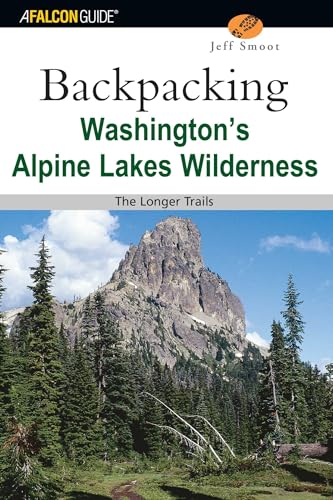
The Cascade Range offers everything from car-accessible campgrounds to backcountry wilderness. Popular areas include Mount Rainier National Park, North Cascades National Park, and the Alpine Lakes Wilderness. For a detailed guide, see Washington Cascades. In winter, many areas become snow-covered, requiring winter camping gear and winter sleeping bags.
The Olympic Peninsula
Home to Olympic National Park, this region offers rainforest, coastline, and mountain camping. The Hoh Rainforest and Sol Duc Valley are popular. Coastal campsites like those at Kalaloch and Mora are breathtaking. Be prepared for rain year-round; a waterproof tent and tarp are essential.
Columbia River Gorge
Just east of Portland, the Gorge offers stunning views and numerous campgrounds. It's a great spot for spring and fall camping. The area is known for waterfalls and wind, so secure your camping tent well.
Eastern Washington
For a drier, sunnier experience, head east. The Columbia Basin, Okanogan, and Palouse regions offer lakes, rivers, and unique geological features. Camping near lake camping spots like Banks Lake or Lake Roosevelt is popular. Summers can be hot, so a shade canopy is useful.
Essential Gear for Washington Camping
Washington's varied climate demands versatile gear. Here's what you need:
- Shelter: A waterproof tent is non-negotiable. For winter or high-altitude trips, consider a 4-season tent with stove jack or a hot tent. A tarp provides extra protection.
- Sleeping: A sleeping bag rated for the expected temperature. For cold weather, winter sleeping bags are a must. An all-in-one sleeping bag and mattress can be convenient.
- Cooking: A reliable camping stove and cookware. For campfire menus, bring a camping pot and utensils.
- Clothing: Layering is key. Use the layering clothing system. Bring winter boots for cold trips.
- Lighting: A camping lantern and headlamp are essential. Consider battery lanterns or a gas lantern.
- Safety: A first aid kit, bear spray (where bears are present), and emergency communication devices. Learn what to do if lost.
- Power: A camping power bank or portable power station for charging devices. Solar chargers are great for extended trips.
For a full checklist, see our camping checklists and camping essentials.
Seasonal Considerations
Summer (June–August)
Peak camping season. Most campgrounds are open, and the weather is warm. However, popular spots fill up quickly, so reservations are essential. Be prepared for crowds and mosquitoes. Fire bans may be in effect; check fire ban guide.
Fall (September–October)
Shoulder season offers fewer crowds and beautiful foliage. Some higher-elevation campgrounds may close. Be prepared for rain and cooler temperatures. It's a great time for fall camping.
Winter (November–March)
Winter camping is for the prepared. Many mountain passes close or require chains. Lowland and coastal areas remain accessible. Use winter camping gear and follow winter camping safety guidelines. For a unique experience, try snow camping techniques.
Spring (April–May)
Spring brings wildflowers and waterfalls but also mud and unpredictable weather. Many campgrounds reopen. Check for spring camping checklist.
Tips for a Successful Washington Camping Trip
- Check Regulations: Each park and forest has its own rules. Review national park rules and state park rules.
- Weather: Always check the forecast and camping weather alerts. Be prepared for rain.
- Wildlife: Store food properly. Follow food storage rules and bear safety guidelines.
- Leave No Trace: Practice Leave No Trace principles to keep Washington beautiful.
- Permits: Some areas require permits (e.g., Enchantments). Check in advance.
- Water: Bring a water filter or purification method.
- Navigation: Carry a map and compass or a handheld GPS. Download offline maps.
- Campfire Safety: Follow campfire safety rules and know how to extinguish a campfire.
Popular Washington Campsites
Mount Rainier National Park
Campgrounds like Cougar Rock, Ohanapecosh, and White River offer access to stunning alpine scenery. Reservations are essential in summer.
Olympic National Park
From rainforest campsites at Hoh and Sol Duc to coastal sites at Kalaloch and Mora, Olympic offers diverse experiences.
North Cascades National Park
Colonial Creek and Goodell Creek are popular. The North Cascades Highway (SR 20) provides access to remote camping.
Lake Chelan & Stehekin
Accessible by boat or plane, Stehekin offers a remote camping experience. Lake Chelan has numerous campgrounds.
Columbia River Gorge
Campgrounds like Ainsworth State Park and Memaloose State Park offer easy access to hiking and waterfalls.
San Juan Islands
Camping on the islands (e.g., San Juan County Park) offers a unique coastal experience. Reservations are required.
Frequently Asked Questions
Do I need a permit to camp in Washington?
For national parks and state parks, you generally need a reservation and sometimes a permit. Dispersed camping on national forest land is usually free but may have restrictions. Always check with the specific land management agency.
What is the best time to camp in Washington?
Summer (June–August) is the most popular and offers the best weather. However, spring and fall can be great for fewer crowds. Winter camping is possible but requires preparation.
Is camping in Washington expensive?
Costs vary. State park campsites are generally mid-range, while national forest dispersed camping is budget-friendly. Glamping options are premium. For a detailed breakdown, see how much does camping cost.
Can I camp anywhere in Washington?
No. There are regulations. See can you camp anywhere for details.
What about camping with dogs?
Many campgrounds allow dogs but have leash rules. See camping with dogs and camping with dogs checklist.
Pro Tip: Always check the official Washington State Parks and National Park Service websites for the most up-to-date information on closures, regulations, and reservations.