Tarpaulin Tent: The Ultimate Guide to Durable & Versatile Outdoor Shelter
Discover why a tarpaulin tent is a must-have for campers, preppers, and festival-goers. Learn about materials, setup techniques, and how to choose the right tarp for your next adventure.
What Is a Tarpaulin Tent?
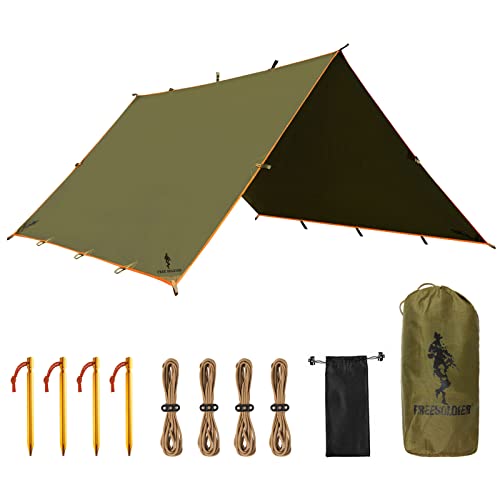
A tarpaulin tent—often called a tarp tent—is a lightweight, versatile shelter made from a sheet of waterproof or water-resistant material. Unlike traditional pole-supported tents, a tarpaulin tent relies on trees, trekking poles, or improvised supports to create a protective canopy. This simplicity makes it a favorite among ultralight backpackers, survivalists, and campers who value adaptability.
Tarpaulin tents have been used for centuries, from military bivouacs to modern minimalist camping. Their popularity stems from their incredible packability, affordability, and the sheer range of configurations possible. Whether you need a quick sunshade for a beach day or a reliable shelter for a multi-day trek, a tarp tent delivers.
In this guide, we’ll explore the different types of tarpaulin tents, their pros and cons, how to set them up, and what to look for when buying one. By the end, you’ll have the knowledge to choose the perfect tarp for your outdoor pursuits—and maybe even ditch your conventional tent for good.
Why Choose a Tarpaulin Tent?
Campers are increasingly turning to tarpaulin tents for their unique advantages. Here’s why:
- Ultralight and Compact: A quality silnylon or DCF tarp packs down to the size of a grapefruit and weighs less than many water bottles. Perfect for backpacking and thru-hiking.
- Versatility: One tarp can be pitched as an A-frame, lean-to, diamond, or even a hammock cover. You can adapt it to weather conditions and terrain.
- Cost-Effective: Entry-level tarps are budget-friendly, and even premium materials cost less than a comparable ultralight tent.
- Quick Setup: With practice, a tarp can be pitched in under five minutes—faster than many pole tents.
- Excellent Ventilation: Open sides mean superior airflow, reducing condensation and keeping you cooler in humid climates.
- Emergency Preparedness: A tarp is an essential item in any survival kit or bug-out bag. It can serve as a shelter, rain catch, or ground sheet.
However, tarpaulin tents aren’t without drawbacks. They offer less protection from bugs and wind-driven rain compared to enclosed tents. We’ll cover these trade-offs later so you can make an informed decision.
Types of Tarpaulin Tents
Tarps come in several materials, each with distinct characteristics. Understanding these will help you choose the right one for your needs.
1. Polyethylene (Poly) Tarps
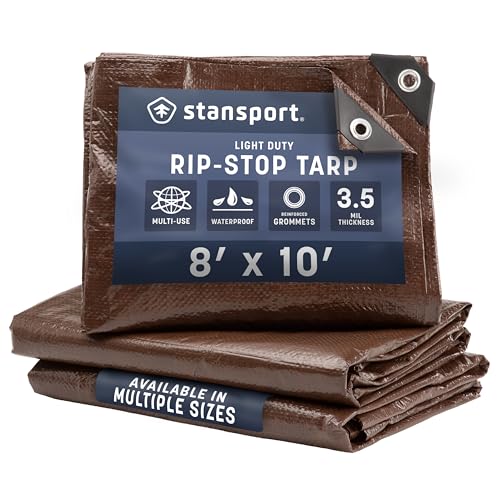
The most common and affordable type. Poly tarps are woven from polyethylene fibers and laminated with a waterproof coating. They’re heavy, stiff, and bulky—not ideal for backpacking—but excellent for car camping, base camps, and emergency use. They’re durable and UV-resistant, though they can degrade after years of sun exposure. If you need a pop-up camp shade shelter for land and sea, a poly tarp is a budget-friendly option.
2. Silnylon (Silicone-Impregnated Nylon)
Silnylon is the gold standard for lightweight backpacking tarps. It’s strong, incredibly packable, and fully waterproof. The silicone coating makes it slippery, which helps shed water and snow. However, silnylon can sag when wet, so you may need to re-tension your pitch. It’s also more expensive than poly. A mid-range silnylon tarp is an excellent investment for serious backpackers.
3. Silpoly (Silicone-Impregnated Polyester)
Silpoly is a newer material that addresses silnylon’s sagging issue. It doesn’t stretch when wet, maintains tension better, and has superior UV resistance. It’s slightly heavier than silnylon but still ultralight. Many premium tarp makers now offer silpoly options. If you camp in rainy climates, silpoly is worth the upgrade.
4. Cuben Fiber (Dyneema Composite Fabric)
The pinnacle of ultralight performance. Cuben Fiber (now called Dyneema Composite Fabric or DCF) is incredibly strong, completely waterproof, and insanely light. It doesn’t absorb water or stretch. The main downside is its high cost—luxury-tier pricing—and it can be less abrasion-resistant than silnylon. For gram-counting thru-hikers, DCF is the ultimate choice.
5. Canvas Tarps
Traditional canvas tarps are heavy, breathable, and extremely durable. They’re popular for hot tenting (with a stove jack) and long-term base camps. Canvas requires maintenance (re-waterproofing) and is bulky, but it’s the best choice for winter camping and glamping setups. If you’re into hot tent camping, a canvas tarpaulin tent is a natural fit.
Pros and Cons of Tarpaulin Tents
✅ Advantages
- Ultralight and compact
- Extremely versatile configurations
- Budget-friendly entry options
- Quick setup and takedown
- Excellent ventilation
- Multi-use (shelter, ground sheet, rain catch)
- Easy to repair in the field
❌ Disadvantages
- Less protection from insects
- Vulnerable to wind-driven rain
- Requires skill and practice to pitch
- No built-in floor or bug net
- Limited privacy
- Condensation can be an issue in certain pitches
For many campers, the pros far outweigh the cons. If you mostly camp in mild weather and don’t mind a bit of DIY spirit, a tarpaulin tent is a rewarding choice. For those who need bug protection and full enclosure, consider a tent vs hammock comparison or a traditional tent with a screen room.
How to Set Up a Tarpaulin Tent
Mastering a few basic pitches will make you a tarp-tent pro. Here are three essential configurations:
A-Frame Pitch
The most classic and simple setup. Tie one end of the tarp to a tree or trekking pole at chest height, and the other end to a second anchor. Stake out the corners to create a triangular shelter. This pitch sheds rain well and offers good ventilation. It’s ideal for moderate weather.
Lean-To Pitch
Perfect for windy conditions. Secure one long edge of the tarp to the ground with stakes, and prop up the opposite edge with poles or tie it to trees. This creates a wind-blocking wall and a covered area. You can angle it to deflect wind and rain. It’s also great for a quick sunshade.
Diamond Pitch
A versatile setup for hammock campers or ground sleepers. Suspend the tarp by two opposite corners, creating a diamond shape overhead. Stake the remaining corners outward. This provides excellent coverage and can be pitched low for storm protection. It’s a favorite among ultralight backpackers.
Practice these pitches at home before your trip. Bring along tent pegs and guylines. Many tarps come with stakes, but upgrading to steel tent stakes or lightweight titanium pegs can make a big difference in windy conditions.
How to Choose the Right Tarpaulin Tent
Consider these factors before buying:
| Factor | Considerations |
|---|---|
| Size | A 8x10 ft tarp is a versatile solo size. For two people, go for 10x12 ft. Larger tarps offer more coverage but weigh more. |
| Material | Silnylon or silpoly for backpacking; poly for car camping; canvas for hot tenting; DCF for ultralight luxury. |
| Weight | Ultralight tarps weigh under 1 lb. If you’re counting grams, invest in silpoly or DCF. |
| Shape | Rectangular is most versatile. Cat-cut (catenary curve) edges reduce flapping. Hexagonal or shaped tarps offer specialized pitches. |
| Features | Look for reinforced tie-out points, seam sealing, and included stuff sack. Some tarps have mid-panel pullouts for better tension. |
| Season | For winter use, consider a tarp with a stove jack, like a 4-season tent with stove jack or a canvas wall tent. |
If you’re new to tarps, an entry-level poly tarp is a low-risk way to experiment. Once you’re hooked, upgrade to a mid-range silnylon model. And if you’re a dedicated ultralight hiker, a premium DCF tarp will be your pride and joy.
For a broader look at shelter options, read our guide on how to choose tent size and tents that can be erected by one person.
Beyond Camping: Other Uses for Tarpaulin Tents
Tarps are unsung heroes of the outdoors. Here are some creative applications:
- Festival Shelter: A tarp provides shade and rain protection at music festivals. Pair it with a pop-up privacy tent for changing.
- Emergency Preparedness: Every home and vehicle should have a tarp for emergency shelter, water collection, or ground cover. See our emergency preparedness camping guide.
- Beach Shade: Set up a tarp for a sunshade at the beach. Secure it with sand stakes or heavy rocks. Learn more in our beach camping guide.
- Overlanding & Van Life: Attach a tarp to your vehicle for an awning. It’s a simple alternative to a car side awning.
- Group Gathering: A large tarp can serve as a communal dining fly or cooking shelter. Check out our camping kitchen gear.
With a bit of creativity, a tarpaulin tent becomes one of the most valuable items in your outdoor arsenal.
Tarpaulin Tent Maintenance and Care
To extend the life of your tarp:
- Clean with mild soap and water—avoid harsh detergents. For eco-friendly options, see biodegradable soap.
- Dry thoroughly before storing to prevent mildew.
- Re-waterproof silnylon/silpoly tarps periodically with a silicone spray or wash-in treatment.
- Store loosely in a cool, dry place. Avoid compressing for long periods if possible.
- Repair small holes with patch kits or seam sealant.
- Check guylines and stakes before each trip. Replace worn tent pegs as needed.
With proper care, a quality tarp can last for years, providing reliable shelter on countless adventures.
Final Thoughts: Is a Tarpaulin Tent Right for You?
Tarpaulin tents are not for everyone. If you demand bug-free comfort, a built-in floor, and privacy, a traditional tent is the way to go. But if you crave simplicity, versatility, and a closer connection to nature, a tarp tent is a revelation. It’s a tool that rewards skill and creativity, and it can be the lightest, most adaptable shelter you’ll ever own.
Whether you’re a thru-hiker counting ounces, a family looking for a shady spot at the beach, or a prepper building a go-bag, a tarpaulin tent deserves a place in your gear closet. Explore our camping gear section for more essentials, and don’t forget to check our camping checklists before you head out.
Ready to pitch? Grab a tarp, some stakes, and a sense of adventure. The wild is waiting.