Sleeping Bag for Adults for Winter: The Complete Guide to Staying Warm
Everything you need to know before buying a winter sleeping bag — temperature ratings, insulation types, shapes, and expert recommendations for cold-weather camping.
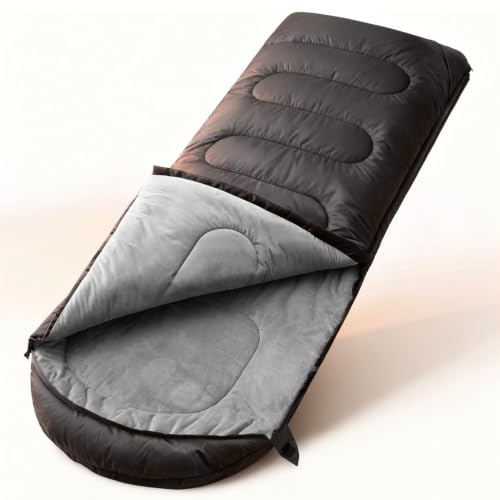
SEE TOP PICKSWhy Your Winter Sleeping Bag Matters: A winter sleeping bag is the single most important piece of gear for cold-weather camping. Unlike summer bags, winter bags must retain heat in sub-freezing temperatures, resist moisture from condensation and snow, and provide consistent loft night after night. Choosing the wrong bag can turn an exciting winter adventure into a miserable, even dangerous, experience. This guide will help you understand exactly what to look for.
Understanding Winter Sleeping Bag Temperature Ratings
Comfort vs. Limit vs. Extreme Ratings
Every winter sleeping bag for adults carries a temperature rating, but these numbers can be misleading. The three key ratings are:
- Comfort Rating: The temperature at which an average adult woman can sleep comfortably. This is the most reliable number to use when comparing bags.
- Limit Rating: The temperature at which an average adult man can sleep for eight hours without waking. This is typically 10–15°F lower than the comfort rating.
- Extreme Rating: A survival-only rating where the risk of hypothermia is significant. This should never be used for planning a comfortable night's sleep.
For winter camping, always choose a bag with a comfort rating of 20°F (-7°C) or lower. If you plan to camp in truly extreme conditions — such as high-altitude mountaineering or deep winter in Canada or Alaska — look for a comfort rating of 0°F (-18°C) or below. For more detailed guidance, see our sleeping bag temperature guide.
Down vs. Synthetic Insulation: Which Is Right for You?
Down Insulation
Down insulation is made from the undercoating of duck or goose feathers. It offers the best warmth-to-weight ratio and compresses into a very small pack size. Down bags are ideal for backpackers and anyone who needs to save space. However, down loses its insulating ability when wet, and it is generally more expensive than synthetic alternatives.
Key specs: Fill power (550, 650, 800, 900+) indicates quality — higher fill power means more warmth per ounce. For winter, look for 650 fill power or higher.
Synthetic Insulation
Synthetic insulation (often polyester-based) is more affordable, performs well in damp conditions, and is easier to clean. It is a great choice for car campers, casual winter campers, and anyone camping in wet, snowy environments where moisture management is challenging. Synthetic bags are heavier and bulkier than down but more forgiving if they get wet.
For a detailed comparison of bag types for cold conditions, see our guide to sleeping bags for camping in winter.
Sleeping Bag Shapes: Mummy, Semi-Rectangular, and Rectangular
Mummy Bags: Maximum Warmth
Mummy-shaped bags are the warmest option because they contour closely to your body, minimizing the dead air space that your body has to heat. They typically include a hood and a draft collar to seal in warmth. For winter camping, a mummy bag is almost always the best choice — especially for backpacking.
Semi-Rectangular Bags: A Balance of Comfort and Warmth
Semi-rectangular bags offer more room to move around than mummy bags but are slightly less thermally efficient. They work well for car campers and those who feel claustrophobic in a mummy bag. Some models can be zipped together, which is a nice feature for couples — see our list of sleeping bags you can zip together.
Rectangular Bags: Maximum Space
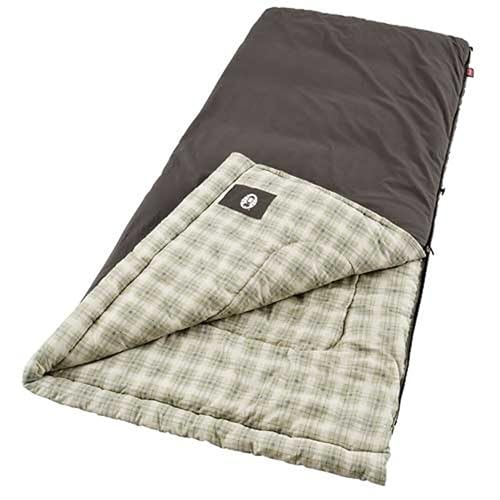
Rectangular bags provide the most room but are the least warm because they have the most dead air space. They are best for mild winter conditions, car camping, or as a secondary bag for guests. For serious winter camping, a rectangular bag is not recommended.
Essential Features for a Winter Sleeping Bag
1. Draft Collar and Draft Tube
A draft collar is an insulated tube that sits around your neck, sealing in warmth. A draft tube runs along the zipper to prevent cold air from entering through the zipper teeth. Both are essential for winter bags.
2. Hood
A well-fitted hood is critical for winter warmth — you lose a significant amount of body heat through your head. Look for a hood that can be cinched tight around your face without blocking your mouth.
3. Zipper Placement
Some winter bags have a full-length zipper, while others use a shorter zipper or a side zipper. A shorter zipper reduces weight and heat loss but makes the bag harder to vent in warmer conditions. For winter, a full-length zipper with a thick draft tube is generally preferred for versatility.
4. Shell Fabric
The shell should be water-resistant and windproof. Ripstop nylon and polyester are common. Some high-end bags use waterproof-breathable fabrics for extreme conditions.
5. Loft and Baffles
Loft is the thickness of the insulation. More loft means more warmth. Baffles are the internal walls that keep insulation in place and prevent cold spots. Look for continuous baffles or box baffles in high-quality winter bags.
6. Pad Attachment System
Many winter bags have loops or straps to attach the bag to a sleeping pad, preventing it from sliding off during the night. This is especially important for mummy bags. Pair your bag with a high-R-value pad — see our camping pads for under sleeping bags.
Winter Sleeping Bag Temperature Guide
| Condition | Recommended Comfort Rating | Best For | Typical Tier |
|---|---|---|---|
| Mild Winter (30°F to 20°F) | 20°F (-7°C) | Late fall, early spring, mild winter camping | Entry-Level |
| Standard Winter (20°F to 0°F) | 0°F (-18°C) | Most winter camping in the US and Canada | Mid-Range |
| Extreme Winter (0°F to -20°F) | -20°F (-29°C) | High-altitude, extreme cold, expedition | Premium |
| Arctic / Expedition (-20°F and below) | -40°F (-40°C) | Polar expeditions, extreme mountaineering | Luxury |
For a more detailed breakdown of temperature-specific bags, see our guides on sleeping bags for 20-degree weather, sleeping bags for 30-degree weather, and sleeping bags for very cold weather.
How to Choose the Right Winter Sleeping Bag for Adults
Step 1: Determine Your Camping Style
- Backpacking: Prioritize light weight and compressibility. Down mummy bags are ideal.
- Car Camping: Weight is less important. You can choose a bulkier synthetic or a more comfortable semi-rectangular bag.
- Base Camp: Consider a bag with more room and features like a built-in pillow or pad sleeve.
Step 2: Match the Temperature Rating to Your Conditions
Always choose a bag rated for at least 10°F colder than the coldest temperature you expect to encounter. This provides a safety margin. If you are a cold sleeper, add another 10°F.
Step 3: Consider Your Body Type
Sleeping bags are generally sized by height and sometimes by build. A bag that is too large will have more dead air space and be less efficient. A bag that is too small will compress insulation and reduce warmth. Many brands offer women-specific and men-specific fits.
Step 4: Think About Moisture Management
If you camp in wet snow or high humidity, a synthetic bag or a down bag with a water-resistant treatment (DWR) is a good choice. Always use a waterproof stuff sack or a trash bag as a liner in your backpack.
Step 5: Don't Forget the Accessories
A sleeping bag liner can add warmth and keep your bag clean. A good sleeping pad with an R-value of 5 or higher is essential for winter. See our sleeping bag liner guide and full-size sleeping pads.
Frequently Asked Questions
Ready to Find Your Perfect Winter Sleeping Bag?
Browse our top-rated recommendations for adults below — carefully selected for warmth, durability, and value across every budget tier.
View Recommended Sleeping BagsRelated Winter Camping Guides
Explore more of our expert winter camping resources:
- Winter Camping: The Complete Guide
- Winter Camping Gear Guide
- Best Winter Sleeping Bags
- How to Stay Warm in Winter
- Layering Clothing System for Winter
- Prevent Frostbite and Hypothermia
- Sleeping Bag Temperature Guide
- Sleeping Bag for Camping in Winter
- Sleeping Bag for Very Cold Weather
- Camping Pad for Under Sleeping Bag
- Sleeping Bags You Can Zip Together
- Winter Camping Safety