Rod Fishing: The Complete Guide to Gear, Skills & Adventure
Everything you need to start rod fishing with confidence — from choosing your first rod and reel to mastering casting techniques and selecting the right tackle for your target species.
START YOUR JOURNEYWhy Rod Fishing? Rod fishing is one of the most accessible and rewarding outdoor activities. Whether you're casting from a quiet lake shore, wading into a river, or surf fishing at the beach, a rod and reel opens the door to adventure, relaxation, and connection with nature.
Understanding Rod Fishing: A Beginner's Foundation
Rod fishing is a method of angling where a flexible rod with a line and hook is used to catch fish. Unlike net fishing or trapping, rod fishing relies on the angler's skill to present bait or lures naturally, detect strikes, and land the catch. It's a versatile approach suitable for freshwater and saltwater environments alike, from small ponds to open ocean.
The appeal of rod fishing lies in its simplicity and depth. A basic setup — rod, reel, line, hook, and bait — can catch a wide variety of fish. Yet the pursuit can grow as complex as the angler desires, with specialized gear for different species, conditions, and techniques. This guide walks you through every stage, from your first cast to landing your trophy catch.
If you're new to camping and fishing combinations, understanding camping basics can help you plan overnight trips where fishing is the main attraction. For those who prefer a basecamp approach, camping sites near water offer the perfect blend of comfort and access. Many anglers also combine fishing with beach camping or lake camping for multi-day adventures.
The Rod and Reel: Your Core Equipment
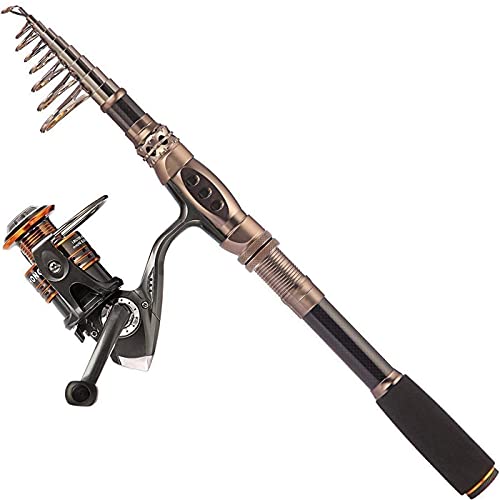
The rod and reel are the heart of any rod fishing setup. Choosing the right combination depends on your target species, fishing environment, and experience level. Let's break down the essentials.
Fishing Rod Types
Spinning rods are the most common choice for beginners. They're versatile, easy to cast, and pair well with spinning reels. Casting rods (also called baitcasting rods) offer more precision and power for experienced anglers targeting larger fish. Fly rods are specialized for fly fishing, where the weight of the line — not the lure — carries the cast.
Rod length, action (speed), and power all affect performance. A medium-action, medium-power spinning rod in the 6'6" to 7' range is an excellent all-around starter. Entry-level rods are typically fiberglass or composite; mid-range rods often use graphite for better sensitivity; premium rods feature high-modulus graphite and advanced guides for superior performance.
Fishing Reels
Spinning reels hang below the rod and are ideal for lighter lures and lines. Baitcasting reels sit on top of the rod and offer greater accuracy and power for heavy cover. Spincast reels (push-button) are the simplest for kids and absolute beginners. For fly fishing, a dedicated fly fishing gear setup is required, including a specialized reel that balances the rod.
When shopping for a complete setup, a fishing rod and reel combo takes the guesswork out of matching components. Combos are available at every tier, from affordable entry-level kits to high-end tournament-grade systems.
Fishing Line, Hooks, and Terminal Tackle
The line connects you to the fish, so choosing the right type and weight is critical. Monofilament is affordable, stretchy, and forgiving — great for beginners. Fluorocarbon is nearly invisible underwater and abrasion-resistant, ideal for clear water and leader material. Braided line has zero stretch, thin diameter, and extreme strength, perfect for heavy cover and long casts.
Hooks come in countless styles: octopus hooks for bait fishing, worm hooks for soft plastics, treble hooks for lures, and circle hooks for catch-and-release. Terminal tackle also includes swivels, snaps, sinkers, and floats — each serving a specific purpose in presenting your bait naturally.
Organizing your tackle is part of the fun. A well-stocked fishing tackle box with tackle keeps everything accessible and protected. For striped bass anglers, a dedicated striped bass fishing gear selection might include heavier rods, braided line, and large swimbaits or live-bait rigs.
Matching Gear to Your Target Species
Different fish demand different approaches. Here's a quick breakdown of common targets and the gear that suits them best:
Panfish (Bluegill, Crappie, Perch)
Light spinning gear with 4–6 lb line, small hooks, and tiny jigs or live bait. Entry-level rods are perfectly adequate and make for an excellent starting point.
Bass (Largemouth, Smallmouth)
Medium to medium-heavy rods, baitcasting or spinning reels, 8–15 lb line. Soft plastics, crankbaits, spinnerbaits, and topwater lures all produce. Mid-range gear offers the sensitivity needed to detect subtle bites.
Trout and Salmon
Light to medium spinning or fly gear, 4–8 lb line. Inline spinners, spoons, and flies work well. Fly anglers should invest in a balanced fly fishing setup.
Striped Bass
Medium-heavy to heavy rods, 15–30 lb line, large lures or live bait. Surf anglers need longer rods for distance casting. A complete striped bass gear list includes braided line, circle hooks, and a quality reel with strong drag.
Catfish
Heavy rods, baitcasting or spinning reels, 20–40 lb line, circle hooks, and heavy sinkers. Night fishing is popular, so a reliable solar-powered lantern or pendant light can illuminate your bank setup.
Essential Rod Fishing Skills
Gear matters, but skill catches fish. These core techniques will serve you well on any water:
Casting
Overhead cast: The foundation for spinning and baitcasting. Bring the rod back to 2 o'clock, then smoothly forward to 10 o'clock, releasing the line as the rod loads. Sidearm cast: Useful under overhanging branches or in windy conditions. Flip/pitch: A short, accurate cast for close-range targets, popular in bass fishing.
Retrieving
Vary your retrieve speed and cadence until you find what triggers strikes. A steady retrieve works for crankbaits; a stop-and-go motion mimics injured baitfish; a twitch-and-pause approach is deadly for soft plastics. The key is experimentation — let the fish tell you what they want.
Setting the Hook
When you feel a strike, drop the rod tip slightly, then sweep it upward firmly. With circle hooks, simply reel down and the hook sets itself in the corner of the mouth. With treble-hook lures, a sharp snap sets the hook. Practice on dry land to build muscle memory.
Fighting and Landing Fish
Keep the rod bent, let the drag do its job, and pump the rod to gain line. Don't horse the fish — especially with light line. Net or lip-land your catch carefully, and if you're not keeping it, release it quickly and gently. For anglers who also camp, knowing common camping injuries and carrying a first aid kit for camping is smart practice for any outdoor adventure.
Where to Go Rod Fishing
Rod fishing is possible almost anywhere there's water. Here are the most common venues and what to expect:
Lakes and Reservoirs
Great for beginners — calm water, easy access, and a variety of species. Fish near structure: drop-offs, weed beds, docks, and rock piles. Many anglers combine lake fishing with lake camping for a full weekend experience.
Rivers and Streams
Moving water requires reading currents and eddies. Trout, smallmouth bass, and salmon are common targets. Wade carefully, and always check local regulations.
Beaches and Surf
Surf fishing for striped bass, redfish, and pompano is a thrilling challenge. Long rods and heavy sinkers are the norm. Beach camping lets you fish the prime dawn and dusk hours without leaving the sand.
Ponds and Small Waters
Perfect for kids and quick sessions. Panfish and small bass are typical catches. A simple rod and reel combo is all you need.
Public Lands and Campgrounds
Many campgrounds and camping sites sit on prime fishing water. Bureau of Land Management camping areas often provide free or low-cost access to excellent fishing. Always follow Leave No Trace principles and state park rules.
Rod Fishing with Kids and Family
Fishing is a wonderful family activity that teaches patience, observation, and respect for nature. Start with simple gear — a spincast combo is ideal for young children. Target abundant, easy-to-catch species like bluegill or perch to keep kids engaged. Bring snacks, sunscreen, and a positive attitude; the goal is fun, not trophies.
Combine fishing with camping with a dog or a family-friendly resort stay for a well-rounded vacation. If you're new to camping, our first time camping tips will help you prepare. And for those who want to cook their catch, easy food to make while camping includes plenty of fish-friendly recipes.
Rod Fishing Safety and Etiquette
Fishing is generally safe, but a few precautions make it safer and more enjoyable for everyone:
- Wear a life jacket when fishing from a boat, kayak, or in strong currents.
- Watch the weather. Storms can roll in fast. Check camping weather alerts before heading out.
- Handle fish carefully. Wet your hands before touching fish, avoid touching gills, and use circle hooks to reduce deep hooking.
- Respect other anglers. Give space at the bank or boat ramp. Keep noise down.
- Follow regulations. Licenses, bag limits, and seasonal closures exist to protect fish populations. Know the state park rules and national park rules for your area.
- Pack out your trash. Monofilament line and hooks are dangerous to wildlife. Leave No Trace always.
For remote fishing trips, consider carrying a camping communication device or satellite messenger. Know what to do if lost and how to signal for help with emergency SOS signals.
Maintaining Your Rod Fishing Gear
Well-maintained gear lasts longer and performs better. After each trip:
- Rinse rods and reels with fresh water, especially after saltwater use.
- Dry everything thoroughly before storing.
- Check line for nicks or abrasion; replace if weakened.
- Lubricate reel drags and handles according to manufacturer instructions.
- Store rods in a cool, dry place — a rod rack or case prevents warping.
- Organize tackle in a tackle box to prevent rust and tangles.
For camping trips where you'll be fishing, a portable power station can keep your phone charged for photos and safety, while a solar lantern lights your evening tackle organization.
Beyond the Basics: Expanding Your Rod Fishing Skills
Once you're comfortable with the fundamentals, consider exploring specialized techniques:
- Fly fishing: A beautiful, challenging discipline. Invest in a fly fishing gear setup and take a lesson.
- Surf fishing: Long casts, big water, and hard-fighting fish. A striped bass gear setup is a great entry point.
- Ice fishing: A whole different world. Safety first — read our ice fishing safety guide.
- Kayak fishing: Access waters others can't reach. Combine with camping with a bike or a pop-up camper for adventure.
- Competitive angling: If you catch the bug, local tournaments are a great way to learn from others.
Planning a Rod Fishing and Camping Trip
Combining fishing with camping multiplies the adventure. Here's how to plan:
- Choose your destination. Look for campgrounds or camping sites with fishing access. Free places to camp often exist near prime fishing waters.
- Check regulations. Fishing license, bag limits, and camping rules vary. Do you need a reservation? Check in advance.
- Pack smart. Use a list of camping supplies for tent camping and a tackle box to stay organized.
- Plan meals. Fresh-caught fish is a camp delicacy. Foil packet meals for camping and easy camping meals pair perfectly with your catch.
- Prepare for comfort. A good night's sleep matters. Consider a sleeping pad camping mat or memory foam mattress topper for your tent or RV.
- Stay safe. Carry a first aid kit, know first aid for camping, and follow campfire safety rules.
If you're RV camping, a generator for RV camper keeps the lights on, and a portable fridge keeps your bait and catch fresh. For tent campers, a portable shower and portable toilet add convenience.
Frequently Asked Questions About Rod Fishing
What's the best rod and reel for a beginner?
A medium-action spinning rod (6'6"–7') paired with a 2500–3000 size spinning reel is the most versatile starter combo. Look for an entry-level or mid-range setup from a reputable brand.
Do I need a license to fish?
In most places, yes. Requirements vary by state and country. Always check local regulations before fishing.
What's the difference between monofilament and braided line?
Monofilament stretches and is forgiving; braided line has zero stretch and is much stronger for its diameter. Beginners often start with monofilament and later switch to braid for specific techniques.
How do I choose the right hook size?
Match the hook to the size of your bait and target fish. Small hooks (size 8–12) for panfish, medium (1–3/0) for bass, and large (4/0–6/0) for striped bass and catfish. Circle hooks are preferred for catch-and-release.
Can I fish from a campsite?
Many campgrounds and camping sites have fishing access. Check the specific campground rules — some allow fishing directly from the shore; others require a short walk or boat.
What should I do if I get lost while fishing?
Stay calm. If you have a communication device, use it. Follow what to do if lost guidelines: stop, think, observe, plan. Use emergency SOS signals if needed.
Ready to Cast Your Line? Rod fishing is a lifetime sport that rewards patience, curiosity, and respect for nature. Start with simple gear, learn the basics, and let each trip teach you something new. Whether you're chasing bluegills in a farm pond or striped bass in the surf, the thrill of the bite never gets old.