Fishing Rod and Reel: The Complete Guide to Choosing Your Perfect Setup
Master the art of angling with our comprehensive guide to fishing rods and reels. From understanding rod actions and reel mechanisms to matching the right combo for your target species — everything you need to fish with confidence.
Why This Guide Matters: The rod and reel are the heart of your fishing setup. Choosing the wrong combination can mean missed casts, broken lines, and frustrating days on the water. This guide breaks down every variable — rod power, action, length, reel type, gear ratio, and material — so you can make an informed decision and spend less time untangling and more time catching.
Understanding Fishing Rods: The Foundation of Your Setup
A fishing rod is far more than a simple stick with guides. It is a precision tool engineered to store and release energy during a cast, detect subtle bites, and fight fish with controlled pressure. Every rod is defined by three core characteristics: power, action, and length. Understanding how these interact is the first step toward selecting a rod that matches your fishing style and target species.
Rod Power: Matching Strength to Species
Rod power, sometimes called weight or line class, describes how much force is required to bend the rod. It ranges from ultralight to heavy, with several stops in between. An ultralight rod bends easily under minimal pressure and is ideal for panfish, trout, and other small species. A medium-power rod offers a balanced blend of sensitivity and backbone, making it the most versatile choice for bass, walleye, and general freshwater fishing. Heavy and extra-heavy rods are reserved for large game fish, heavy cover, or saltwater species that demand serious pulling power.
When selecting rod power, consider the size of the fish you expect to catch, the weight of your lures or bait, and the environment. Fishing in heavy vegetation or around structure often calls for more power to pull fish away from snags. Open-water fishing allows for lighter, more sensitive rods that make the fight more enjoyable. If you are new to the sport, a medium-power rod is the most forgiving and versatile starting point. For those who enjoy rod fishing from a variety of environments, medium power covers most situations well.
Rod Action: Speed of the Bend
Action describes where the rod bends along its length when pressure is applied. A fast-action rod bends primarily at the tip, leaving the middle and butt sections stiff. This design offers excellent sensitivity and hook-setting power, making it a favorite for single-hook lures and bottom-contact techniques. A moderate-action rod bends more gradually through the middle, providing a softer, more forgiving feel that is ideal for treble-hook lures, crankbaits, and situations where you want the rod to absorb sudden surges from a fighting fish. Slow-action rods bend throughout their entire length and are typically used for ultralight fishing or fly rods, where a gentle, full-flex action helps protect light tippets and small hooks.
The choice between fast and moderate action often comes down to personal preference and technique. Fast actions excel at jigging and worm fishing where bite detection is critical. Moderate actions shine when casting lightweight lures or when using lures with multiple treble hooks that can tear free under too much pressure. Many anglers keep both on hand to adapt to changing conditions on the water.
Rod Length: Reach, Leverage, and Casting Distance
Rod length affects casting distance, leverage, and accuracy. Shorter rods, typically under 6 feet 6 inches, are maneuverable and accurate for close-quarters fishing, such as casting under overhanging branches or from a kayak. Longer rods, from 7 to 9 feet or more, provide greater casting distance and better line control when fishing from shore or in open water. A 7-foot rod is often considered the sweet spot for all-around freshwater fishing, offering a good balance of distance and manageability.
For surf fishing or jetty fishing, rods of 9 to 12 feet are common because they allow you to cast beyond the breakers and keep your line above incoming waves. Ice fishing rods are much shorter, typically 2 to 4 feet, because fishing occurs directly below the angler. When choosing a length, consider where you fish most often and how much casting distance you truly need. A rod that is too long can be cumbersome in tight spaces, while a rod that is too short may limit your reach when fishing from shore. For those who enjoy camping by the beach, a longer rod can make surf fishing far more effective.
Understanding Fishing Reels: The Engine of Your Setup
The reel is the mechanical heart of your fishing setup. It stores line, provides drag pressure during a fight, and retrieves line at a controlled rate. There are three primary reel types used in recreational fishing: spinning, baitcasting, and spincast. Each has distinct advantages, and the best choice depends on your experience level, the techniques you plan to use, and the species you are targeting.
Spinning Reels: The Versatile Standard
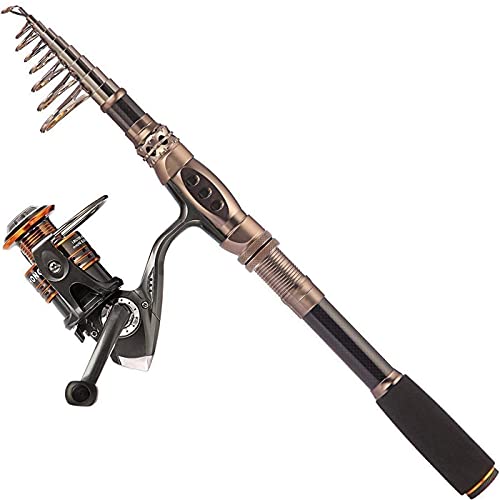
Spinning reels hang below the rod and feature a fixed spool that releases line freely when the bail is opened. This design makes them exceptionally easy to cast, even with lightweight lures, and they are far more forgiving of mistakes than baitcasting reels. Spinning reels are ideal for beginners and experienced anglers alike, performing well with everything from ultralight panfish jigs to medium-weight bass lures. They excel in freshwater and light saltwater applications and are the most popular reel type worldwide for good reason.
When choosing a spinning reel, pay attention to the size and gear ratio. Reel sizes are typically expressed in thousands (e.g., 1000, 2500, 4000), with larger numbers indicating larger, heavier reels with greater line capacity. A 2500-size reel is a versatile choice for most freshwater fishing. Gear ratio determines how many times the spool rotates per turn of the handle; a 5.2:1 ratio is standard, while higher ratios retrieve line faster and lower ratios provide more torque for fighting fish. For those just getting started, a mid-range spinning reel paired with a medium-power rod is the most recommended combination.
Baitcasting Reels: Precision and Power
Baitcasting reels sit on top of the rod and feature a revolving spool that must be controlled by the angler's thumb during the cast. This design offers greater accuracy and allows for heavier line and lures than spinning gear. Baitcasting reels are favored by experienced anglers for techniques that demand precision, such as flipping, pitching, and casting large lures for bass or pike. They also provide superior winching power for pulling fish out of heavy cover.
The learning curve for baitcasting reels is steeper than for spinning reels. Without proper thumb control, the spool can overrun and create a backlash, commonly called a bird's nest. However, modern baitcasting reels feature magnetic and centrifugal braking systems that greatly reduce the risk of backlash, making them more accessible than ever. If you are willing to invest time in practice, a baitcasting setup can become your most precise and powerful tool. For anglers who enjoy lake camping and targeting largemouth bass, a baitcasting combo is often the preferred choice.
Spincast Reels: Simple and Beginner-Friendly
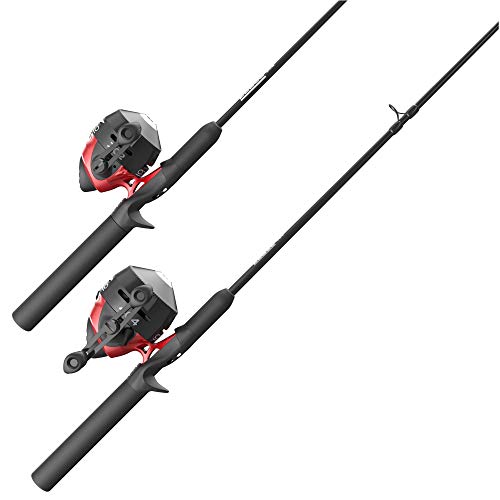
Spincast reels are fully enclosed, with a push-button release for casting. They are the simplest reel type to use and are often found on children's fishing rods or beginner kits. While they lack the sensitivity and performance of spinning or baitcasting reels, they are reliable, tangle-resistant, and perfect for casual anglers or those who fish only occasionally. If you are introducing a child or a complete novice to fishing, a spincast combo is an excellent starting point.
Spinning vs. Baitcasting vs. Spincast: A Quick Comparison
| Feature | Spinning Reel | Baitcasting Reel | Spincast Reel |
|---|---|---|---|
| Learning Curve | Easy | Moderate to Difficult | Very Easy |
| Casting Accuracy | Good | Excellent | Fair |
| Best For | Versatility, light lures | Heavy lures, precision | Beginners, casual use |
| Line Weight Range | Light to Medium | Medium to Heavy | Light to Medium |
| Backlash Risk | None | High without practice | None |
| Drag Power | Good | Excellent | Fair |
| Ideal Environment | Freshwater & Light Saltwater | Heavy Cover & Big Fish | Ponds & Small Lakes |
How to Match Your Rod and Reel for Optimal Performance
A rod and reel are not independent tools — they are a system. A mismatched combo can feel awkward, cast poorly, and even fail under pressure. The key to a balanced setup is matching the reel's size and weight to the rod's power and length, and ensuring the reel's line capacity aligns with the rod's line rating.
Balance: Weight and Feel
A well-balanced combo feels light in the hand and pivots naturally at the reel seat. If the reel is too heavy for the rod, the tip will feel heavy and casting will be tiresome. If the reel is too light, the rod may feel tip-heavy and lack stability. When assembling a combo, hold the rod and reel together before spooling. The balance point should fall just ahead of the reel seat, allowing the rod to sit comfortably in your hand without constant adjustment.
Line Rating and Capacity
Every rod has a recommended line rating, expressed as a range (e.g., 6–12 lb test). The reel you choose should be capable of holding enough line of that weight to make the casts you need. A reel that is too small will not hold enough line for long casts or fighting large fish, while a reel that is too large will be unnecessarily heavy. Match the reel's line capacity to the rod's line rating, and spool with a line weight in the middle of that range for the best all-around performance.
Rod and Reel Size Chart
| Rod Power | Typical Rod Length | Recommended Reel Size | Best For |
|---|---|---|---|
| Ultralight | 5'0" – 6'6" | 500 – 1000 | Panfish, Trout, Small Streams |
| Light | 5'6" – 7'0" | 1000 – 2000 | Trout, Small Bass, Crappie |
| Medium | 6'0" – 7'6" | 2500 – 3000 | Bass, Walleye, General Freshwater |
| Medium-Heavy | 6'6" – 7'6" | 3000 – 4000 | Bass in Cover, Pike, Catfish |
| Heavy | 7'0" – 8'0" | 4000 – 5000 | Saltwater, Big Catfish, Muskie |
| Extra Heavy | 7'6" – 9'0"+ | 5000 – 8000+ | Surf, Offshore, Large Game |
Rod and Reel Materials: What You Need to Know
The materials used in a fishing rod and reel have a profound impact on performance, durability, and feel. Understanding these materials helps you evaluate quality and make a choice that aligns with your budget and fishing goals.
Rod Blanks: Graphite, Fiberglass, and Composites
Modern fishing rods are made from graphite (carbon fiber), fiberglass, or a composite blend of both. Graphite rods are lightweight, highly sensitive, and transmit even the lightest bite directly to your hand. They are the preferred choice for techniques that demand feel, such as jigging and worm fishing. However, graphite can be brittle and prone to breakage under sudden impact or high-sticking. Fiberglass rods are heavier and less sensitive but extremely durable and flexible. They are ideal for crankbait fishing, where the rod's slower action helps keep treble hooks pinned, and for beginners who may be hard on their gear. Composite rods blend graphite and fiberglass to balance sensitivity with durability, offering a versatile middle ground.
Reel Bodies and Components
Reel bodies are typically made from aluminum, graphite, or a composite material. Aluminum reels are rigid, durable, and smooth, but heavier. Graphite reels are lighter and resistant to corrosion, making them a good choice for saltwater or humid environments, though they may flex under heavy load. Internal components such as gears, bearings, and drag washers also vary in quality. More bearings generally mean smoother operation, though the quality of the bearings matters more than the quantity. Sealed bearings resist water and grit, extending the reel's lifespan.
The drag system is another critical component. Felt and carbon fiber drag washers offer smooth, consistent pressure, while lower-quality materials may stick or slip. A smooth drag is essential for protecting light line and landing big fish. When comparing reels, look for models with sealed, multi-disc drag systems for the best performance. For anglers who enjoy glamping and want reliable gear for occasional fishing trips, a graphite-bodied spinning reel with a sealed drag offers an excellent balance of weight, durability, and performance.
Quality Tiers: What to Expect at Every Level
Fishing rods and reels are available across a wide spectrum of quality. Rather than focusing on specific prices, it helps to understand what each tier offers in terms of materials, construction, and performance. The following tiers are universal and apply regardless of currency or market fluctuations.
Entry-Level / Budget-Friendly
Entry-level rods are typically made from fiberglass or lower-modulus graphite and feature basic guides and reel seats. Reels in this tier have fewer bearings, simpler drag systems, and graphite bodies. They are perfectly adequate for casual anglers, children, and those who fish only a few times a year.
- Affordable and accessible
- Durable and forgiving
- Good for beginners
- Heavier and less sensitive
- Less smooth drag
- Shorter lifespan with heavy use
Mid-Range / Mid-Tier
Mid-range gear represents the sweet spot for most anglers. Rods feature higher-modulus graphite blanks, quality guides, and comfortable reel seats. Reels offer more bearings, smoother drag systems, and aluminum or high-quality graphite bodies. This tier delivers excellent performance without the premium price.
- Great balance of performance and value
- Sensitive and lightweight rods
- Smooth, reliable reels
- Not as refined as premium gear
- Some components may wear over time
Premium / High-End
Premium rods use high-modulus graphite or advanced composite materials, premium guides (such as titanium or silicon carbide), and precision reel seats. Reels feature sealed bearings, carbon fiber drag systems, and machined aluminum bodies. This tier is designed for serious anglers who demand the best performance and durability.
- Exceptional sensitivity and feel
- Smooth, powerful drag systems
- Lightweight and durable
- Higher investment
- May require more careful handling
Luxury / Top-Tier
Luxury gear represents the pinnacle of fishing technology. Rods are handcrafted from the finest materials, with custom tapers, premium components, and meticulous attention to detail. Reels are engineered to the highest standards, with flawless drag systems, ultra-smooth bearings, and corrosion-resistant finishes. This tier is for dedicated anglers who view their gear as a long-term investment.
- Uncompromising performance
- Exquisite craftsmanship
- Exceptional durability
- Significant investment
- Overkill for casual anglers
Choosing Your First Fishing Rod and Reel Combo
If you are new to fishing, the sheer number of options can feel overwhelming. The good news is that you do not need specialized gear to start catching fish. A versatile, mid-range spinning combo will handle the vast majority of freshwater situations and even light saltwater fishing. Here is a step-by-step approach to choosing your first setup.
- Start with a spinning combo. Spinning reels are easier to learn and more forgiving than baitcasting reels. They handle a wide range of lure weights and are less prone to tangles.
- Choose a medium-power, fast-action rod. A 6'6" to 7'0" medium-power rod with a fast action is the most versatile choice for bass, trout, panfish, and more. It offers enough backbone for moderate-sized fish and enough sensitivity for finesse techniques.
- Pair it with a 2500-size reel. A 2500-size spinning reel balances well with a medium-power rod and holds enough 8–12 lb line for most freshwater fishing.
- Spool with quality monofilament or braided line. Monofilament is inexpensive, easy to manage, and forgiving. Braided line is more sensitive and durable but requires a leader in clear water. Start with monofilament and experiment later.
- Practice your casting. Before you hit the water, spend time in your backyard or a local park practicing your cast. Focus on accuracy and smoothness rather than distance.
- Fish often and experiment. The best way to learn is to fish. Try different lures, techniques, and locations. Over time, you will develop preferences that guide future gear purchases.
Ready to Gear Up?
Browse our curated selection of highly-rated fishing rod and reel combos. Whether you are just starting out or upgrading your arsenal, we have options for every angler and every budget tier.
Maintaining Your Fishing Rod and Reel
Proper maintenance extends the life of your gear and ensures it performs when you need it most. A few simple habits can make a significant difference over time.
- Rinse after saltwater use. Salt is corrosive. After fishing in saltwater, rinse your rod and reel with fresh water and dry them thoroughly. Pay special attention to the reel's drag system and line guides.
- Clean and lubricate the reel. Periodically disassemble the reel (following the manufacturer's instructions) and clean the internal components. Apply a small amount of reel lubricant to gears and bearings.
- Inspect guides and line. Check rod guides for cracks or grooves that can fray line. Run your finger or a cotton swab around each guide to feel for roughness. Replace worn guides promptly. Inspect your line for nicks, frays, or discoloration, and replace it when necessary.
- Store properly. Store rods in a cool, dry place, ideally in a rod rack or case. Avoid leaning rods against walls or storing them in extreme heat, which can warp blanks and damage reel components.
- Check drag washers. Over time, drag washers can become compressed or contaminated. Replace them if you notice inconsistent drag pressure or sticking.
For anglers who enjoy camping and fishing trips, a small maintenance kit with lubricant, a multi-tool, and spare line can keep your gear in top shape while you are on the road. If you are heading out for an extended trip, consider bringing a spare rod and reel as a backup. And if you are camping with dogs, keep your gear stored safely away from curious paws.
Frequently Asked Questions
What is the best fishing rod and reel for beginners?
A medium-power, fast-action spinning rod paired with a 2500-size spinning reel is the best starting point for most beginners. This combination is versatile, forgiving, and easy to cast, making it ideal for learning fundamental techniques across freshwater and light saltwater environments.
How do I match a rod with a reel?
Match the reel size to the rod's power and line rating. A general rule is to choose a reel that balances the rod's weight and is rated for the line strength the rod is designed to handle. For spinning rods, a 2500 to 3000 size reel typically pairs well with medium-power rods, while baitcasting reels should match the rod's lure weight range.
What is the difference between spinning and baitcasting reels?
Spinning reels hang below the rod and are easier to cast for beginners, especially with lighter lures. Baitcasting reels sit on top of the rod and offer greater accuracy and control for experienced anglers using heavier lures. Spinning gear is more forgiving, while baitcasting gear requires more skill to master but provides superior precision.
What rod length is best for shore fishing?
For shore fishing, a rod between 7 and 9 feet is generally ideal. Longer rods provide greater casting distance, which is crucial when fishing from the bank, while shorter rods offer more maneuverability in tight spaces. A 7-foot medium-action rod is a versatile choice for most shore anglers.
How often should I replace my fishing line?
Monofilament line should typically be replaced every 3 to 6 months, or more frequently if exposed to heavy sunlight or abrasive conditions. Braided line lasts longer, often 1 to 2 years, but should be inspected regularly for fraying. Fluorocarbon line generally needs replacement every 6 to 12 months depending on use.
Can I use a freshwater rod and reel in saltwater?
You can, but you must rinse the gear thoroughly with fresh water after every trip to prevent corrosion. Reels with sealed bearings and corrosion-resistant components are better suited for occasional saltwater use. Dedicated saltwater gear is built with more corrosion-resistant materials and is recommended if you plan to fish in saltwater frequently. If you are beach camping and want to fish from the shore, consider bringing a dedicated saltwater spinning combo.
What line weight should I use?
Line weight depends on the rod's rating and the species you are targeting. For a medium-power rod rated 6–12 lb, an 8 or 10 lb monofilament line is a versatile choice. Lighter line is more visible to fish but casts further and is easier to manage. Heavier line is more abrasion-resistant and better for fishing in cover. Always stay within the rod's recommended line rating.
Is a more expensive rod and reel always better?
Not always. Premium gear offers better materials, smoother performance, and greater durability, but the returns diminish as you move up the tiers. A mid-range combo will perform excellently for most anglers. Invest in higher-tier gear when you have specific performance needs that your current setup cannot meet, or when you fish frequently enough to justify the investment. For those who are first-time camping and fishing, a mid-range setup is more than sufficient.