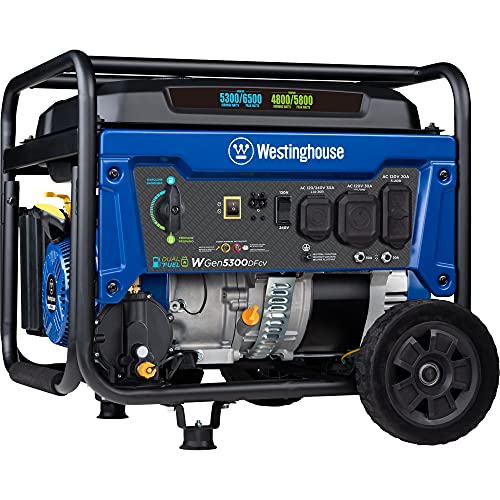
Generator for RV Camper: The Ultimate Power Guide
Power your adventures with confidence. Learn how to choose the right generator for your RV camper, from sizing and types to noise levels and essential features.
Read the Buying GuidePowering Your Journey: A reliable generator is essential for off-grid RV camping. It keeps your lights on, fridge cold, and devices charged, turning your camper into a true home on wheels. This guide will help you understand exactly what to look for.
Why Your RV Camper Needs a Generator
When you're parked at a remote campground or enjoying free places to camp, hookups aren't always available. A generator for your RV camper provides the freedom to camp anywhere without sacrificing modern conveniences. It powers your air conditioner, microwave, refrigerator, and even medical devices, ensuring your trip is comfortable and safe. For those who enjoy BLM camping or camping sites without electric hookups, a generator is not just a luxury—it's a necessity.
Types of Generators for RV Campers
Not all generators are created equal. Understanding the different types is the first step in making an informed decision. The right choice depends on your power needs, budget tier, and how you plan to use your RV.
Conventional Generators
These are the traditional, workhorse generators. They are typically the most affordable option in the entry-level tier, but they tend to be heavier and louder. They are a good fit for powering high-wattage appliances like RV air conditioners, especially if you're in a remote location where noise is less of a concern. If your priority is raw power and budget-friendly operation, a conventional generator is a solid choice.
Inverter Generators
Inverter generators are the premium choice for most RVers. They produce clean, stable power—often called "pure sine wave"—which is safe for sensitive electronics like laptops, smartphones, and modern TVs. They are significantly quieter and more fuel-efficient than conventional models. Models in the mid-range and high-end tiers offer features like parallel capability (linking two units for more power) and remote start. If you value quiet operation and clean power, an inverter generator is worth the investment. For more on powering your tech, see our guide to camping power banks and portable power stations.
Built-in vs. Portable Generators
Built-in generators are permanently installed in your RV, often in a dedicated compartment. They are convenient and powerful but come at a luxury tier in terms of cost and are more complex to service. Portable generators offer flexibility. You can move them away from your camper to reduce noise and fumes, and you can use them for other purposes around the home. For most campers and camping enthusiasts, a portable inverter generator offers the best balance of power, portability, and quiet operation.
How to Choose the Right Generator for Your RV
Selecting the perfect generator involves a few key considerations. Getting this right ensures you have enough power without overloading your system or your budget.
1. Sizing: Watts and Starting Power
You need to calculate your power needs. There are two key numbers: running watts (the power needed to keep an appliance running) and starting watts (the surge of power needed to start a device with a motor, like an air conditioner). Add up the running watts of all the appliances you want to use simultaneously, then find the highest starting wattage among them and add that to the total. It's always best to choose a generator with a little more capacity than you think you need. For a typical RV with a 13,500 BTU air conditioner, you'll likely need a generator in the 3,000 to 4,000-watt range.
2. Noise Level
Noise is a major factor, both for your comfort and for campground etiquette. Generator noise is measured in decibels (dB). National parks and many campgrounds have strict noise limits, often around 60 dB at 50 feet. Inverter generators are your best bet here, as many premium models operate as low as 50-60 dB, roughly the sound of a normal conversation. Always check the dB rating at a specific distance (usually 23 feet or 50 feet) before you buy.
3. Fuel Type and Efficiency
Most portable RV generators run on gasoline. Some models are dual-fuel or tri-fuel, meaning they can also run on propane or natural gas. Propane is a popular choice because it burns cleaner and is easier to store for long periods. Consider fuel efficiency, especially if you plan on camping close to me for extended periods. A generator with a fuel shut-off valve and an eco-mode can significantly improve efficiency.
4. Portability and Weight
Portable generators can be heavy. If you plan to move it frequently, look for a model with a built-in handle and wheels. Consider the weight carefully; a 100-pound generator can be difficult for one person to lift into a truck bed or RV compartment. Some high-end models offer remote start and electric start, which add convenience.
Key Features to Look For
- Pure Sine Wave Power: Essential for protecting sensitive electronics. Almost all inverter generators have this; conventional ones may not.
- Parallel Capability: Allows you to connect two generators to double your power output. This is a great feature for mid-range and high-end inverter generators.
- Electric or Remote Start: A luxury feature that saves you from the pull-cord effort. Very convenient for built-in or larger portable units.
- Fuel Gauge and Hour Meter: Helps you track fuel consumption and plan for refueling and maintenance.
- Low Oil Shut-off: An essential safety feature that automatically shuts down the engine if oil levels are too low, preventing damage.
- Transfer Switch: For built-in generators, a transfer switch safely disconnects your RV from shore power and connects it to the generator, preventing dangerous backfeeding. This is a safety must-have.
Generator Maintenance and Safety
To ensure your generator runs reliably for years, regular maintenance is key. This includes checking the oil before each use, replacing the air filter, and running the generator periodically even when not in use. Always run your generator in a well-ventilated area to avoid carbon monoxide poisoning. Never run it inside your RV, garage, or any enclosed space. For more on emergency preparedness, see our guide on emergency preparedness for camping and camping communication devices.
When choosing a location for your generator, place it on a stable, level surface away from windows, doors, and vents. Consider a generator cover for protection from the elements. For more tips on setting up a safe campsite, see our articles on campfire safety rules and what to do if lost.
Powering Your Camper Life
A generator is a core component of your RV's power system. It works alongside your battery bank and solar panels. If you're looking to expand your off-grid capabilities, consider learning more about solar chargers for camping and camping technology. For those who enjoy winter camping, a generator can be crucial for running a heater to stay safe and warm. Explore our guide on winter camping heaters for more information. For any RV, whether it's a Class C camper or a pop-up camper on a trailer, a properly sized generator is a game-changer.