Portable Toilet for Camping: Your Complete Guide to Comfort & Hygiene
Discover how a portable toilet can transform your camping experience. Learn about different types, key features, and how to choose the right one for your outdoor adventures.
EXPLORE CAMPING GEARWhy a Portable Toilet Matters: A portable toilet for camping is not just a luxury—it's a practical investment in comfort, hygiene, and environmental responsibility. Whether you're a weekend warrior or a seasoned backcountry explorer, having a reliable sanitation solution ensures you can enjoy nature without compromising on basic human needs.
Why a Portable Toilet is Essential for Camping
When you're out in nature, the last thing you want to worry about is finding a suitable bathroom. A portable toilet for camping solves this problem by providing a clean, private, and convenient solution wherever you set up camp. Here are the key reasons why every camper should consider one:
- Hygiene & Sanitation: Proper waste management prevents the spread of bacteria and keeps your campsite clean. Learn more about Leave No Trace principles to minimize your environmental impact.
- Comfort & Convenience: No more middle-of-the-night treks into the woods or waiting in line at crowded campground bathrooms.
- Accessibility: Ideal for families with young children, elderly campers, or anyone with mobility challenges. It pairs well with other accessible gear like a portable shower for camping.
- Versatility: Perfect for tent camping, RV camping, beach camping, and even glamping trips.
- Compliance: Many campgrounds and public lands require proper waste disposal. Check BLM camping rules and national park rules before you go.
Types of Portable Toilets for Camping
Not all portable toilets are created equal. Understanding the different types will help you choose the best one for your specific camping style and needs.
1. Chemical Flush Toilets
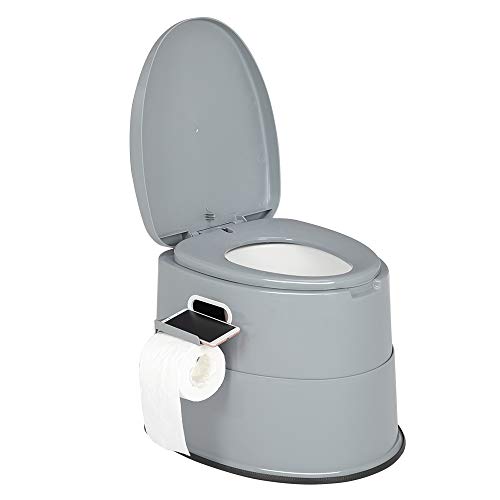
These are the most popular choice for car campers and RV enthusiasts. They use a chemical solution to break down waste and control odors. Most models feature a freshwater tank for flushing and a waste tank for storage. They're available in various sizes, from compact entry-level models to premium units with features like level indicators and piston pumps. This type is ideal for those who want a familiar bathroom experience in the wild.
2. Dry Composting Toilets
Eco-conscious campers often prefer composting toilets. These units separate solid and liquid waste, using a carbon-rich material (like sawdust or coconut coir) to facilitate decomposition and eliminate odors. They require no water or chemicals, making them a sustainable option for extended trips. While they have a higher upfront cost, they're a fantastic choice for off-grid adventures and free places to camp.
3. Bucket Toilets
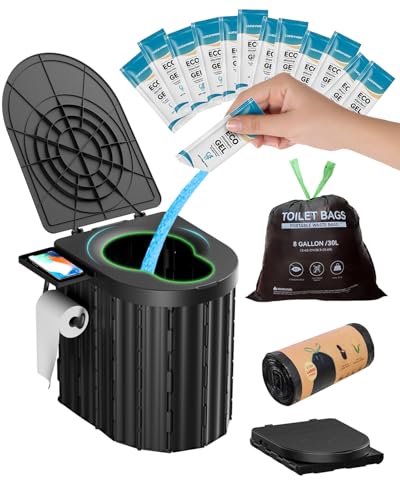
Simple, lightweight, and budget-friendly, bucket toilets are essentially a snap-on seat with a lid that fits over a standard 5-gallon bucket. You line the bucket with a bag and add a gelling agent or kitty litter for odor control. They're a great entry-level option for short trips or as an emergency backup. Pair one with a pop-up privacy tent for a complete solution.
4. Folding Toilets
For backpackers and those with limited space, folding toilets are a game-changer. They collapse into a compact, flat package that's easy to store and carry. Most are designed to use with disposable waste bags. They are an excellent choice for ultra-lightweight backpacking gear setups.
5. Urine Bottles & Female Urination Devices (FUDs)
These are not full toilets but are essential companions for any camping sanitation kit. A dedicated urine bottle (often with a wide mouth and secure lid) or a FUD allows you to urinate discreetly and hygienically without leaving your tent. They are lightweight and take up virtually no space.
Portable Toilet Comparison at a Glance
Use this table to quickly compare the main types of portable camping toilets based on their key characteristics.
| Type | Best For | Ease of Use | Weight & Portability | Odor Control |
|---|---|---|---|---|
| Chemical Flush | Car camping, families, RV trips | Very Easy | Moderate to Heavy | Excellent (with chemicals) |
| Composting | Eco-conscious campers, extended trips | Moderate | Moderate | Excellent (with proper technique) |
| Bucket | Budget campers, short trips, emergency backup | Easy | Lightweight | Good (with gelling agent) |
| Folding | Backpackers, space-limited campers | Easy | Very Lightweight | Good (with waste bags) |
Key Features to Look For
When shopping for a portable toilet for camping, keep these features in mind to ensure you get a model that meets your needs.
Capacity & Size
Consider the number of people and the length of your trip. A larger waste tank means fewer empties, but it also means more weight and bulk. For a weekend trip with two people, a mid-range capacity model is usually sufficient. For solo backpacking, a folding toilet is your best bet.
Flushing Mechanism
Chemical toilets use either a bellows pump, a piston pump, or a simple gravity flush. Piston pumps tend to offer the most control and a more familiar flushing experience. Bellows pumps are simpler but can be less powerful.
Seat Height & Comfort
If comfort is a priority, look for a model with a higher seat height, similar to a standard home toilet. This is especially important for older campers or those with knee or hip issues. A sturdy, wide seat also enhances comfort.
Odor Control
This is crucial. Chemical toilets rely on specially formulated deodorizers. Composting toilets use a separation system and cover material. For bucket toilets, you'll need a gelling agent or kitty litter. Always follow the manufacturer's instructions for the best results.
Durability & Build Quality
Look for toilets made from high-density polyethylene (HDPE) or other rugged plastics that can withstand the rigors of outdoor use. Sturdy latches and hinges are also signs of a quality build.
Ease of Cleaning & Emptying
Look for models with smooth, rounded interiors that are easy to rinse out. A wide-mouth waste tank opening and a comfortable handle make emptying at a dump station or RV park much easier. You can find suitable disposal locations using resources like RV parks and campgrounds.
How to Use and Maintain Your Portable Toilet
Proper use and maintenance are key to a pleasant experience and the longevity of your portable toilet.
- Set Up in a Private Location: Use a dedicated privacy tent, like a pop-up camping shower toilet changing room tent, to create a comfortable and private bathroom space.
- Use the Right Chemicals: Always use the manufacturer-recommended chemicals for your chemical flush toilet. For composting toilets, use the recommended cover material.
- Empty Responsibly: Never dump waste in a natural water source or on the ground. Use designated dump stations, portable toilet disposal points, or a home toilet. Check state park rules for local regulations.
- Clean Regularly: Rinse the tanks and wipe down the seat and exterior after each trip. A mild detergent and water are usually sufficient.
- Store Properly: Before storing for the off-season, thoroughly clean and dry both tanks. Leave the lids slightly open to prevent odors and mold.
Frequently Asked Questions
Explore More Camping Essentials: A portable toilet is just one part of a well-planned camping setup. Don't forget to check out our guides on sleeping pads and camping mats for a good night's sleep, propane gas camping stoves for cooking, and first aid for camping to stay safe. For a complete list of must-have items, see our list of camping supplies for tent camping. If you're planning a trip to a specific location, browse our camping destinations for inspiration.