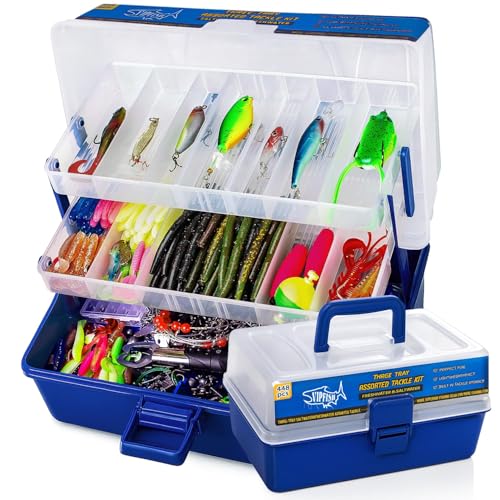
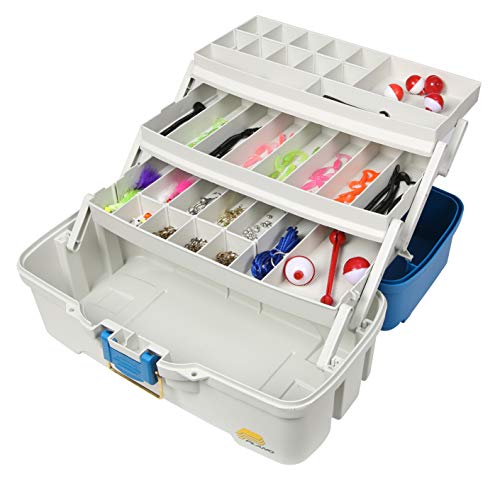
Fishing Tackle Box with Tackle: The Complete Guide to Organization, Selection, and Smart Fishing
A well-organized tackle box is the foundation of every successful fishing trip. Whether you are a weekend angler or a seasoned pro, the right box keeps your lures, hooks, and tools ready for action. This guide walks you through everything you need to know before choosing your next tackle box with tackle.
Why Organization Matters: A cluttered tackle box costs you time on the water. When every lure and hook has its place, you spend less time untangling and more time casting. The right box also protects your investment from rust and damage.
Why Every Angler Needs a Dedicated Tackle Box with Tackle
Fishing is a sport of patience and precision. Yet many anglers overlook one of the most critical pieces of gear: the tackle box. A dedicated fishing tackle box with tackle is more than a container—it is your mobile command center. It holds your hooks, sinkers, lures, line, and tools in a way that lets you adapt quickly to changing conditions.
Imagine hooking a trophy bass and needing a different lure. With a well-organized box, you make the switch in seconds. With a disorganized bag, you waste precious time. Beyond convenience, a quality tackle box protects your gear from moisture, rust, and impact. Whether you are fishing from a boat, kayak, or shore, the right box keeps your tackle ready.
If you are also planning a fishing and camping trip, consider pairing your tackle box with the right camping setup. A good tent and a comfortable sleeping bag make multi-day fishing adventures far more enjoyable.
Types of Fishing Tackle Boxes: Which One Fits Your Style?
Tackle boxes come in several designs, each suited to different fishing scenarios. Understanding the trade-offs helps you choose wisely.
1. Traditional Hard-Sided Tackle Boxes
These are the classic boxes with a handle and multiple trays. They are typically made from high-impact plastic or aluminum. Hard-sided boxes offer excellent protection and are great for boat or shore fishing. Entry-level models are simple and affordable, while premium aluminum boxes offer rugged durability and a professional feel.
2. Soft-Sided Tackle Bags
Soft-sided bags are made from fabric, often with multiple compartments and removable trays. They are lightweight, flexible, and ideal for kayak fishing or hiking to remote spots. Mid-range soft bags often include waterproof bases and shoulder straps for easy carrying.
3. Backpack Tackle Boxes
These combine the organization of a tackle box with the portability of a backpack. They are perfect for anglers who hike long distances to reach fishing spots. Many premium backpack models include rod holders and hydration compatibility.
4. Belt and Waist Tackle Boxes
For wade fishing or surf fishing, a belt-mounted tackle box keeps your gear within reach without weighing you down. These are usually small and hold only essential lures and hooks.
5. Waterproof Tackle Boxes
If you fish from a kayak or in rainy conditions, a waterproof box is essential. Look for models with rubber gaskets and secure latches. Premium waterproof boxes can even float if dropped overboard.
Key Features to Consider in a Fishing Tackle Box with Tackle
Not all tackle boxes are created equal. Here are the features that matter most when making your choice.
Material and Durability
High-impact plastic is lightweight and rust-resistant, making it ideal for most freshwater anglers. Aluminum is heavier but offers superior durability and a premium feel. Fabric bags are lightweight but require more care to prevent moisture buildup. Choose a material that matches your fishing environment.
Size and Capacity
Think about how much tackle you actually need. A small box with 1-2 trays is perfect for a quick afternoon trip. A larger box with 4-6 trays suits full-day excursions or multi-species fishing. Avoid oversized boxes that become heavy and unwieldy.
Tray and Compartment Design
Adjustable dividers let you customize compartments for different lure sizes. Deep trays are good for bulky items like spinnerbaits, while shallow trays work for hooks and sinkers. Some premium boxes include removable trays that double as standalone organizers.
Portability and Comfort
If you walk far to your fishing spot, consider a backpack or shoulder-strap bag. A comfortable handle is essential for traditional boxes. Test the weight of a fully loaded box before committing to a long hike.
Water Resistance and Rust Prevention
Moisture is the enemy of fishing tackle. Look for boxes with water-resistant seals or drainage holes. Adding silica gel packets helps absorb residual moisture. Always dry your tackle before storing it.
Additional Features
Some boxes include built-in rulers, line cutters, or tool holders. These extras add convenience but also increase weight and complexity. Choose features that genuinely improve your fishing experience.
How to Organize Your Fishing Tackle Box with Tackle
A well-organized box is a pleasure to use. Follow these steps to set up your tackle box for maximum efficiency.
Step 1: Group Your Tackle by Type
Separate your gear into categories: hooks, sinkers, lures, soft plastics, and tools. This makes it easy to find what you need without rummaging.
Step 2: Assign Compartments
Use adjustable dividers to create dedicated spaces for each category. Keep frequently used items in the top tray for quick access. Store less-used items in lower trays.
Step 3: Use Small Containers for Tiny Items
Small hooks and split rings can be stored in mini plastic boxes or pill organizers. This prevents them from scattering and getting lost.
Step 4: Keep It Dry
Add silica gel packets to absorb moisture. Avoid storing wet lures or line in the box. If your box gets wet, dry it thoroughly before closing.
Step 5: Label if Needed
For large boxes with many compartments, labels can help you stay organized. Use a label maker or waterproof tape.
Matching Your Tackle Box to Your Fishing Style
Different fishing styles demand different tackle boxes. Here is how to match your box to your preferred fishing method.
Bass Fishing
Bass anglers carry a wide variety of lures, from crankbaits to jigs. A large hard-sided box with multiple trays works well. Consider a box with deep compartments for bulky lures. If you also enjoy striped bass fishing gear, look for a box that can accommodate larger swimbaits and saltwater lures.
Fly Fishing
Fly fishing requires small flies and tippet spools. A compact fly box with foam inserts is ideal. Many fly anglers carry a vest with multiple small boxes rather than one large box. For a complete fly fishing setup, explore our guide to gear for fly fishing.
Kayak Fishing
Space is limited on a kayak. Choose a soft-sided bag or a compact waterproof box that fits in your kayak's storage hatch. A box with a shoulder strap makes portaging easier.
Surf and Pier Fishing
Surf anglers need a box that can handle sand and saltwater. A waterproof box with a secure latch is essential. Consider a backpack-style box if you walk long distances along the beach. For more beach camping and fishing tips, see our guide to camping by the beach.
Ice Fishing
Ice fishing requires small jigs and spoons. A compact box that fits in your sled or bucket is ideal. Look for a box with a waterproof seal to protect against snow and ice. If you enjoy ice fishing, you may also be interested in our ice fishing safety guide.
Quick Comparison: Tackle Box Types at a Glance
| Type | Best For | Material | Portability | Durability | Tier |
|---|---|---|---|---|---|
| Hard-Sided Box | Boat, shore, bass fishing | Plastic, aluminum | Moderate | High | Entry to Premium |
| Soft-Sided Bag | Kayak, hiking, travel | Fabric, EVA | High | Moderate | Budget to Mid-Range |
| Backpack Tackle Box | Remote fishing, hiking | Fabric, plastic | Very High | Moderate to High | Mid to Premium |
| Belt/Waist Box | Wade, surf fishing | Plastic, fabric | Very High | Moderate | Entry to Mid-Range |
| Waterproof Box | Kayak, rain, saltwater | Plastic, rubber seals | Moderate | Very High | Mid to Luxury |
Maintenance Tips for Your Fishing Tackle Box with Tackle
Proper maintenance extends the life of your tackle box and keeps your gear in top condition.
After Every Trip
Wipe down the box with a damp cloth. Remove any dirt, sand, or saltwater residue. Dry it thoroughly before closing. Check for moisture inside and add fresh silica gel packets if needed.
Monthly Checks
Inspect your hooks for rust and your line for wear. Replace damaged items promptly. Clean adjustable dividers and ensure latches operate smoothly.
Seasonal Deep Clean
At the end of the season, empty the box completely. Wash it with mild soap and water, then dry it in the sun. Lubricate hinges and latches with a small amount of silicone spray. Store the box in a dry place.
Safety and Responsibility When Fishing
Fishing is a safe and enjoyable activity when you follow basic safety rules. Always handle hooks with care, and store them securely in your tackle box. When fishing from a boat or kayak, wear a life jacket. If you are fishing in remote areas, carry a first aid kit and know basic wilderness first aid. Our guide to wilderness first aid covers essential skills. Also, be aware of common camping injuries and how to prevent them.
Respect the environment. Follow local fishing regulations, practice catch and release when appropriate, and leave no trace. If you are camping near your fishing spot, review our Leave No Trace principles to minimize your impact.
Frequently Asked Questions
What is the best material for a fishing tackle box?
The best material depends on your fishing style. High-impact plastic is lightweight, rust-proof, and ideal for most freshwater anglers. Aluminum offers superior durability and a premium feel, making it a favorite among saltwater and serious anglers. Waterproof EVA or fabric boxes are soft-sided, flexible, and great for kayak or backpack fishing.
How do I organize my fishing tackle box with tackle?
Start by grouping your tackle by type: hooks, sinkers, lures, and soft plastics. Use compartmentalized trays for small items. Keep frequently used lures in an easy-access top tray. Label sections if needed, and avoid overfilling so you can close the box securely.
What size tackle box do I need for kayak fishing?
For kayak fishing, a soft-sided or small tackle box with a shoulder strap is ideal. Look for a mid-range or premium waterproof model with a compact footprint that fits in your kayak's storage compartment. A box with 2-3 trays is usually sufficient for a day trip.
Can I bring a fishing tackle box with tackle on a plane?
Yes, you can bring a tackle box in checked luggage. However, sharp items like hooks and knives must be in checked baggage, not carry-on. Always check your airline's specific rules and the TSA guidelines for fishing gear before flying.
How do I prevent rust in my fishing tackle box?
Choose a tackle box made from rust-resistant materials like high-impact plastic or aluminum. After each trip, dry your tackle and box thoroughly. Add silica gel packets to absorb moisture, and avoid storing wet lures or hooks in the box for long periods.
Final Thoughts: Invest in the Right Tackle Box
A fishing tackle box with tackle is more than a storage solution—it is a tool that enhances your entire fishing experience. By choosing the right type, size, and material for your style, you ensure that your gear is protected, organized, and ready when the fish are biting.
Remember to consider portability if you hike or kayak, durability if you fish in harsh conditions, and organization if you carry a wide variety of lures. With the tips in this guide, you are well-equipped to make an informed decision.
For more outdoor and fishing-related guides, explore our articles on rod fishing, fishing rod and reel, and camping sites to plan your next adventure.