Portable Travel Toilet for Camping and Hiking
Your complete guide to choosing, using, and maintaining a portable toilet for outdoor adventures. Learn how to stay comfortable and responsible in the wild.
Start ReadingWhy a Portable Toilet Matters: Whether you are car camping, backpacking, or hiking in fragile ecosystems, having a reliable portable toilet is essential for comfort, hygiene, and Leave No Trace compliance. This guide covers everything you need to know before making a purchase.
Why You Need a Portable Travel Toilet
Camping and hiking take you far from modern conveniences. While some campgrounds offer restrooms, many remote sites and wilderness areas require you to pack out everything you bring in — including human waste. A portable travel toilet solves this problem by providing a sanitary, convenient solution that respects the environment. For those new to outdoor adventures, understanding first-time camping tips can help you prepare for situations where restrooms are unavailable. Additionally, knowing Leave No Trace principles is critical, as improper waste disposal can harm wildlife and ecosystems.
Beyond environmental responsibility, a portable toilet offers personal comfort. Nighttime bathroom trips can be uncomfortable and even risky in unfamiliar terrain. Having a dedicated toilet near your tent reduces the need to wander in the dark. For families and groups, it also provides privacy and dignity. If you are planning a trip with children or pets, check out camping with dogs rules and things to take when you go camping to ensure you have all essentials covered.
Types of Portable Travel Toilets
Portable toilets come in several designs, each suited to different camping styles and budgets. Understanding the differences will help you choose the right model for your needs.
Folding Toilet Seats
Lightweight and compact, folding toilet seats are simple frames that hold a disposable bag. They are ideal for hikers and backpackers who prioritize portability. These models are budget-friendly and easy to store, but they offer minimal comfort and require you to supply your own waste bags.
Bucket Toilets
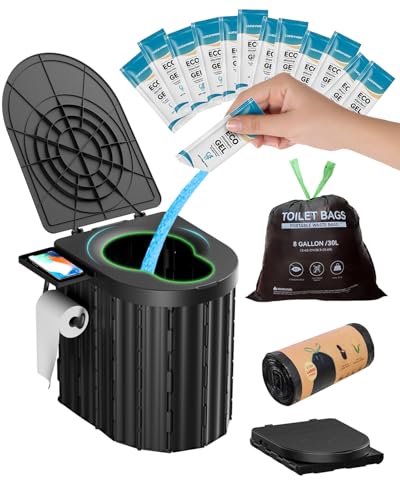
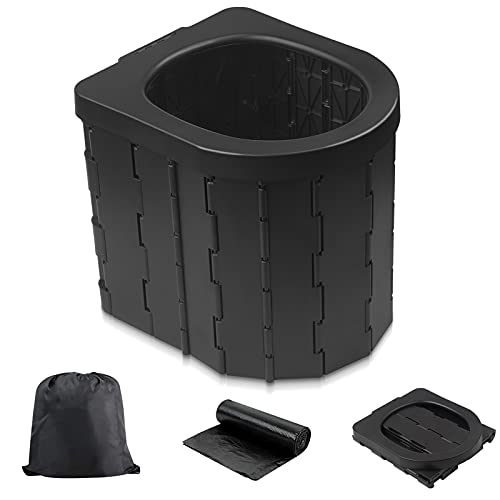
Bucket toilets consist of a sturdy bucket with a snap-on seat and lid. They are more stable and comfortable than folding seats, making them popular for car camping and family trips. Many models include inner bags and deodorizing packets. They are mid-priced and widely available.
Portable Flush Toilets
These models feature a built-in water tank and flushing mechanism, providing a more familiar bathroom experience. They are heavier and bulkier, making them best for car camping or RV use. Mid-tier models offer reliable flushing, while premium versions include features like level indicators and carry handles.
Composting Toilets
Composting toilets separate solid and liquid waste, using a carbon-based cover material to reduce odor and facilitate decomposition. They are high-end, eco-friendly options for extended camping trips and off-grid living. While expensive, they are durable and align with Leave No Trace ethics.
For those who want a convenient solution that also serves as a changing room or shower tent, consider a pop-up camping shower toilet changing room tent, which combines privacy with utility. If you are hiking and need to minimize weight, a pop-up privacy tent can be paired with a lightweight toilet seat for a complete bathroom setup.
Key Features to Consider Before Buying
When evaluating portable toilets, focus on these features to ensure you get the best value for your camping style.
| Feature | Why It Matters | Recommended For |
|---|---|---|
| Weight & Portability | Affects how easily you can carry the toilet in a backpack or vehicle. | Hikers, backpackers |
| Seat Height & Comfort | Higher seats are easier for adults and those with mobility issues. | Families, car campers |
| Waste Bag System | Determines how you dispose of waste and control odor. | All campers |
| Flushing Mechanism | Provides a more hygienic and familiar experience. | Car campers, RV users |
| Odor Control | Chemicals or carbon filters reduce unpleasant smells. | Extended trips, groups |
| Durability | Ensures the toilet withstands repeated use and outdoor conditions. | Frequent campers |
Pro Tip: If you are camping in cold weather, choose a toilet with materials that won't crack in freezing temperatures. Also, consider how you will store waste bags — a sealed container is essential to prevent leaks and odors.
How to Use a Portable Travel Toilet
Using a portable toilet correctly ensures hygiene and minimizes environmental impact. Follow these steps for a smooth experience.
- Set up a privacy tent: Choose a flat, stable surface away from water sources. A pop-up privacy tent provides shelter and privacy.
- Prepare the waste bag: Use biodegradable bags designed for portable toilets. Add a deodorizing powder or gel to control odor.
- Position the toilet: Ensure the toilet is stable and the seat is secure. If using a bucket toilet, line it with a bag and secure the edges.
- Use it as you would a normal toilet: After use, close the lid and seal the bag.
- Dispose of waste properly: Follow local regulations. In most cases, pack out solid waste in sealed bags. For liquid waste, follow campground rules — some allow disposal in designated areas.
- Clean and store: Wipe down the toilet with disinfectant wipes and store it in a dry, ventilated area.
Proper disposal is crucial. Many wilderness areas require you to pack out human waste. Use double-bagging and sealable containers to prevent leaks. If you are camping in an area with bear activity, store waste bags in a bear-proof container or hang them away from your campsite. Learn more about food storage rules and bear spray vs gun for safety in bear country.
Maintenance and Hygiene Tips
Keeping your portable toilet clean is essential for hygiene and longevity. Here are practical tips.
- Rinse after each use: Use a mild disinfectant and water to rinse the seat and interior.
- Use odor-neutralizing products: Enzyme-based cleaners break down waste and reduce smells.
- Dry thoroughly before storage: Moisture can lead to mold and mildew.
- Inspect for cracks: Check plastic parts regularly, especially before long trips.
- Store in a cool, dry place: Avoid leaving your toilet in direct sunlight for extended periods.
For camping trips where water is scarce, consider using camping water filters technology to purify water for cleaning. Also, keep a dedicated set of cleaning supplies for your toilet to avoid cross-contamination with cooking gear.
Integrating Your Portable Toilet with Other Camping Gear
A portable toilet is just one part of a well-organized campsite. Consider how it fits with your other equipment.
If you are car camping, a portable folding picnic table with 4 seats and a folding chair with side table heavy duty can create a comfortable living area. For sleeping, ensure you have a comfortable setup like a camping air bed with built-in pump or a sleeping bag with air mattress built-in. If you are camping in a tent, a pop-up tent for cold and rainy weather can provide protection, and you might want a camping hammock with bug net and rainfly for lounging.
For cooking, a camping pot and pan for open fire or camping pots and pans with removable handles are great choices. If you prefer easy meals, check out easy things to cook over a fire and camping food that doesn't need refrigeration. For lighting, a 12-volt LED light for RV exterior can illuminate your campsite.
Frequently Asked Questions
Can I use a portable toilet for hiking?
Yes, but you need a lightweight model. Folding toilet seats and disposable bags are popular for hiking because they are compact and easy to carry. For longer hikes, consider a ultra-light folding chair that can double as a toilet frame in emergencies.
How do I dispose of waste from a portable toilet?
Disposal depends on local regulations. In many wilderness areas, you must pack out solid waste in sealed bags. Some campgrounds have designated disposal stations. Always check national park rules and state park rules before your trip.
Are portable toilets allowed in all campgrounds?
Most campgrounds allow portable toilets, but some have restrictions. Check with the campground before your visit. For dispersed camping on BLM land, review BLM camping rules.
How do I control odors from a portable toilet?
Use enzyme-based deodorizers, keep the lid closed when not in use, and dispose of waste promptly. Sealed bags and airtight containers also help. For extended trips, consider a composting toilet which naturally reduces odors.
What is the best portable toilet for families?
Bucket toilets and portable flush toilets are best for families because they offer stability and comfort. Look for models with a higher seat and a reliable waste bag system. If you are camping with kids, a 10x10 pop-up tent with mosquito net can serve as a privacy shelter.
Ready to Choose Your Portable Toilet?
Explore our recommended products below and find the perfect portable travel toilet for your next camping or hiking adventure.
View Recommended GearFor more information on camping essentials, explore our guides on things to buy for a new camper, things to bring on a hiking trip, and 5 essential things to bring in hiking. If you are planning a trip to a specific destination, check our camping destinations page for ideas.