Camping Food That Doesn't Need Refrigeration
Discover delicious, nutritious, and shelf-stable food options for your next camping adventure — no cooler required.
EXPLORE THE GUIDEWhy This Guide Matters: Whether you're backpacking deep into the wilderness, car camping at a remote site, or simply want to simplify your outdoor meal planning, knowing which foods are safe without refrigeration is essential. This guide covers everything from protein sources to snacks, complete with tier-based recommendations to help you make informed choices.
Understanding Shelf-Stable Camping Foods
When you're camping without a cooler, your food strategy shifts dramatically. Instead of relying on perishable items like fresh meat, dairy, and leafy greens, you'll build your menu around shelf-stable foods — items that can safely be stored at room temperature for extended periods. These foods are not just practical; they can be incredibly delicious and nutritious when chosen wisely.
The key to successful no-refrigeration camping is understanding the three main categories of shelf-stable foods: canned goods, dry goods, and shelf-stable packaged items. Each category has its own advantages and ideal use cases. For example, canned goods offer excellent longevity and are perfect for hearty camp meals, while dry goods are lightweight and ideal for backpacking. If you're planning a trip that involves cooking over an open fire, you'll want to explore options that work well with easy things to cook over a fire.
One of the biggest concerns for campers is protein. Without refrigeration, many people worry about getting enough protein. Fortunately, there are excellent non-perishable protein sources available, from canned fish and chicken to jerky, nuts, and protein bars. For a deeper dive into meal planning, consider reading our guide on camping food to prepare ahead of time, which complements the strategies discussed here.
Best Categories of No-Refrigeration Camping Foods
To make your planning easier, we've organized the best no-refrigeration foods into clear categories. Each category serves a specific purpose in your camping menu, and combining items from multiple categories ensures you have balanced, satisfying meals throughout your trip.
🥫 Canned Goods
- Canned tuna, salmon, and chicken
- Canned beans and legumes
- Canned vegetables and fruits
- Canned soups and stews
- Canned pasta meals
🥜 Dry Goods & Grains
- Instant rice and couscous
- Oatmeal and instant cereals
- Pasta and noodles
- Dehydrated mashed potatoes
- Flour, baking mix, and cornmeal
🍫 Snacks & Energy Foods
- Nuts, seeds, and trail mix
- Granola and energy bars
- Dried fruits and fruit leather
- Beef jerky and meat sticks
- Crackers and hard biscuits
🧂 Condiments & Spreads
- Peanut butter and nut butters
- Honey and maple syrup
- Olive oil and coconut oil
- Dry spices and seasoning blends
- Shelf-stable mayonnaise and mustard
When planning your meals, it's helpful to think about how these ingredients can come together. For instance, combining canned chicken with instant rice and a packet of seasoning creates a complete meal. Similarly, oatmeal with dried fruit and nuts makes an excellent breakfast. If you're looking for inspiration, our article on camping meals that don't require cooking offers creative ideas for no-cook options.
Comparing No-Refrigeration Food Options
The table below compares different types of no-refrigeration foods across key criteria. This will help you decide which options best fit your camping style, trip duration, and culinary preferences.
| Food Type | Shelf Life | Weight | Preparation | Best For |
|---|---|---|---|---|
| Canned Goods | Long (1-5 years) | Heavy | Ready to eat or heat | Car camping, base camp |
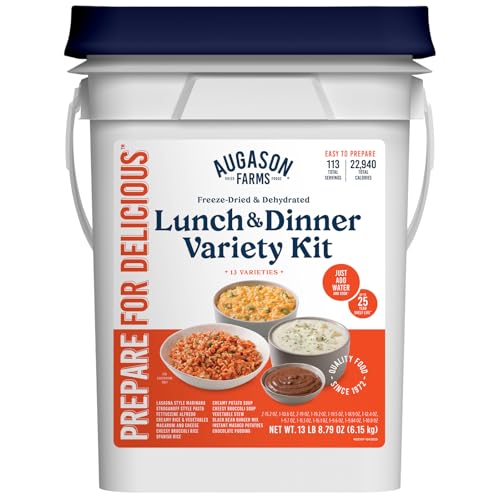
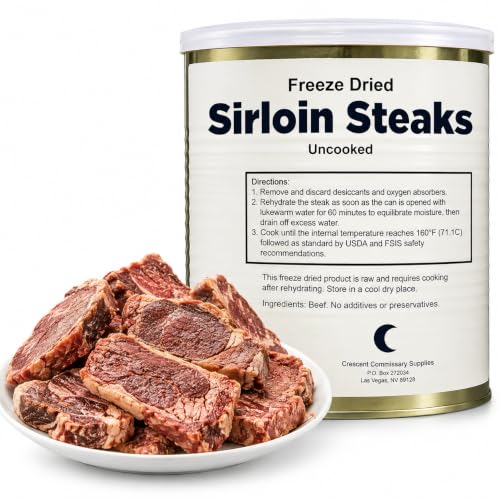
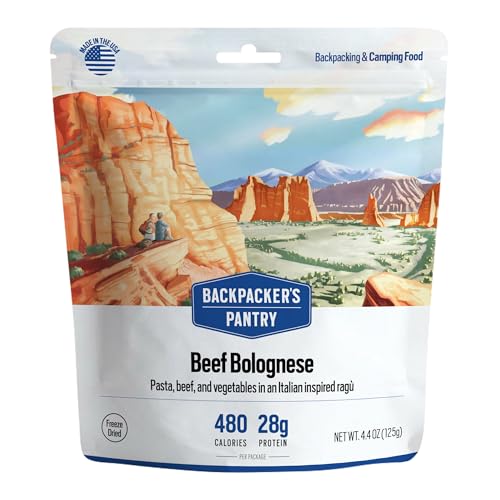
| Dehydrated Meals | Long (2-5 years) | Lightweight | Add hot water | Backpacking, hiking |
| Energy Bars | Medium (6-12 months) | Very Light | None | Snacking, quick energy |
| Nuts & Dried Fruit | Medium (6-12 months) | Light | None | Trail snacks, emergency food |
| Instant Grains | Long (1-2 years) | Light | Add hot water | Breakfast, side dishes |
| Nut Butters | Long (1-2 years) | Medium | Spread | Sandwiches, snacks |
As you can see, each food type has its strengths. For backpackers, lightweight dehydrated meals and energy bars are ideal. For car campers, canned goods offer convenience and variety. A smart strategy is to combine categories — for example, bringing canned goods for dinners and energy bars for daytime snacks. If you're new to camping, our first time camping tips can help you build a solid foundation.
Tier-Based Recommendations for No-Refrigeration Foods
To help you choose the right products for your needs, we've organized recommendations into three tiers: budget-friendly, mid-range, and premium. These tiers reflect relative market positioning and quality, not specific prices. This approach ensures our recommendations remain relevant and useful over time.
🥉 Budget-Friendly Tier
This tier focuses on affordability and basic functionality. Budget-friendly options include standard canned goods, generic energy bars, basic trail mixes, and instant noodles. These items are widely available at grocery stores and provide solid nutrition for short trips. They may lack the refined taste or premium ingredients of higher tiers, but they get the job done reliably. For campers who prioritize value and simplicity, this tier is an excellent starting point.
🥈 Mid-Range Tier
Mid-range options offer a noticeable upgrade in quality and variety. This tier includes branded energy bars with better ingredients, premium trail mixes with higher-quality nuts and dried fruits, organic canned goods, and specialized dehydrated meals. Mid-range products often feature better packaging, longer shelf life, and improved taste. For campers who want a balance between cost and quality, this tier represents the sweet spot. Many mid-range dehydrated meals, for example, offer significantly better flavor and nutrition than their budget counterparts.
🥇 Premium Tier
Premium options are designed for campers who prioritize quality, taste, and convenience above all else. This tier includes gourmet dehydrated meals crafted by specialty brands, organic and artisanal energy bars, premium nut butters, and high-end trail mixes with exotic ingredients. Premium products often feature innovative packaging, superior ingredient sourcing, and exceptional taste. While they represent a higher investment, they deliver a camping dining experience that rivals home cooking. For special trips or for campers who view food as a highlight of their adventure, premium options are worth considering.
When selecting your tier, consider the length of your trip, your budget, and how much you value your dining experience. A weekend trip might call for mid-range options, while a special backpacking adventure might justify premium dehydrated meals. For more ideas on meal planning, explore our guide on food to bring camping for 3 days.
Practical Tips for No-Refrigeration Camping
Successfully camping without refrigeration requires more than just choosing the right foods. Here are some practical tips to ensure your food stays safe, organized, and enjoyable throughout your trip.
- Store food in a cool, dry place: Even shelf-stable foods last longer when kept out of direct sunlight and heat. Use a dedicated food storage area in your vehicle or tent.
- Use airtight containers: Transfer opened items to airtight containers or resealable bags to prevent moisture, pests, and spoilage.
- Plan your meals: Create a meal plan for each day to avoid overpacking and ensure you have all necessary ingredients.
- Check expiration dates: Before your trip, verify that all items are within their expiration dates, especially for longer trips.
- Pack a can opener: Don't forget this essential tool if you're bringing canned goods. A multi-tool with a can opener works well.
- Consider portion sizes: Repackage items into single-serving portions to reduce waste and make meal preparation easier.
- Bring a cooler for optional items: If you have space, a small cooler can extend your options for fresh items like cheese or vegetables for the first day or two.
For more tips on organizing your camping supplies, check out our article on things to take when you go camping. And if you're camping in warmer weather, be extra cautious about food safety and consider reading our guide on food to eat while camping without fire.
Meal Ideas Using No-Refrigeration Foods
Here are some delicious meal ideas that rely entirely on shelf-stable ingredients. These recipes are perfect for campers who want satisfying meals without the need for a cooler.
🍳 Breakfast Ideas
Oatmeal with Dried Fruit and Nuts: Combine instant oats with hot water, then top with dried cranberries, raisins, and chopped almonds. Add honey or brown sugar for sweetness.
Peanut Butter and Banana Wraps: Spread peanut butter on a tortilla, add sliced banana (if you have fresh) or dried banana chips, and roll up for a quick, energy-packed breakfast.
Instant Grits with Cheese Powder: Prepare instant grits and stir in cheese powder or nutritional yeast for a savory, warming breakfast.
🍲 Lunch and Dinner Ideas
Tuna Pasta Salad: Mix canned tuna with cooked pasta, olive oil, and seasonings. Add canned peas or corn for extra flavor and nutrition.
Bean and Rice Burritos: Combine canned beans with instant rice, season with taco seasoning, and wrap in tortillas. Top with salsa packets or hot sauce.
Chicken and Couscous: Mix canned chicken with instant couscous, dried herbs, and olive oil. Add dried tomatoes or raisins for a Mediterranean twist.
Dehydrated Chili: Bring a pot of water to boil, add dehydrated chili mix, and simmer until rehydrated. Top with crushed crackers or tortilla chips.
🍫 Snacks and Desserts
Trail Mix: Create your own blend with nuts, seeds, dried fruit, and chocolate chips. Customize based on your preferences.
Energy Bites: Mix oats, peanut butter, honey, and chocolate chips. Roll into balls and refrigerate before your trip (they'll stay fresh for days without refrigeration once prepared).
S'mores: The classic camping dessert — graham crackers, marshmallows, and chocolate bars. All shelf-stable and delicious.
For more meal inspiration, explore our articles on easy meals to cook over a campfire and camping meals to make ahead of time. These resources provide additional ideas for creating memorable camping meals.
Food Safety Without Refrigeration
Food safety is a critical consideration when camping without refrigeration. While shelf-stable foods are designed to be safe at room temperature, proper handling and storage are still essential to prevent illness.
Key safety guidelines:
- Keep food away from wildlife: Store food in sealed containers and never leave it unattended. Follow local wildlife regulations, especially in bear country. Our guide on food storage rules provides detailed guidance.
- Avoid cross-contamination: Use separate utensils and surfaces for raw and cooked foods. Even shelf-stable foods can become contaminated if handled improperly.
- Practice good hygiene: Wash your hands before handling food. Bring hand sanitizer or biodegradable soap for when water isn't available.
- Monitor for spoilage: Even shelf-stable foods can spoil if exposed to extreme heat or moisture. Check for unusual odors, discoloration, or bulging cans before consuming.
- Dispose of waste properly: Pack out all food waste and packaging. Follow Leave No Trace principles to minimize your impact on the environment.
For comprehensive safety information, our first aid for camping guide covers common outdoor health concerns. Additionally, if you're camping in areas with wildlife, review our wilderness first aid resource.
Frequently Asked Questions
You can bring a wide variety of shelf-stable foods including canned goods (tuna, beans, vegetables), dry goods (rice, pasta, oatmeal), nuts and seeds, dried fruits, peanut butter, jerky, energy bars, and dehydrated meals. These items do not require refrigeration and are perfect for camping trips of any length.
Shelf life varies by food type. Canned goods can last 1-5 years, dehydrated meals 2-5 years, energy bars 6-12 months, and nuts/dried fruits 6-12 months. Always check expiration dates before your trip and store food in cool, dry conditions to maximize shelf life.
Excellent non-perishable protein sources include canned tuna, salmon, and chicken; beef jerky and meat sticks; peanut butter and nut butters; nuts and seeds; protein bars; and dehydrated beans. These provide ample protein for energy and muscle recovery during outdoor activities.
Yes, you can bring fresh food for the first day or two if you consume it promptly. Items like fresh fruits, vegetables, and sandwiches can be enjoyed early in your trip. However, for extended trips, rely primarily on shelf-stable foods to avoid spoilage and foodborne illness.
Without a cooler, you cannot keep perishable food cold. Instead, focus on shelf-stable foods that don't require refrigeration. If you need to keep items cool, consider using a stream or lake (in a waterproof container) or a evaporative cooling method, but these are not reliable for food safety. The best approach is to plan meals around non-perishable foods.
Final Thoughts
Camping without refrigeration doesn't mean sacrificing delicious, nutritious meals. By understanding shelf-stable food options and planning your meals strategically, you can enjoy satisfying outdoor dining experiences without the hassle of a cooler.
Remember to choose foods based on your trip duration, activity level, and personal preferences. Combine categories — canned goods, dry goods, snacks, and condiments — to create balanced meals. And always prioritize food safety to keep your adventure enjoyable and healthy.
Whether you're a seasoned camper or planning your first outdoor adventure, the strategies in this guide will help you make informed choices. For more camping tips and guides, explore our resources on camping FAQ and things to buy for a new camper. Happy camping!