12 Volt LED Lights for RV Exterior: The Complete Guide
Transform your RV's exterior with reliable, energy-efficient 12V LED lighting. Learn how to choose the right lights for safety, ambiance, and adventure.
VIEW TOP PICKSWhy Upgrade to 12V LED? Unlike traditional incandescent bulbs, 12-volt LED lights draw minimal power from your RV's battery, last for thousands of hours, and resist shock and vibration. They are the smart choice for boondocking, tailgating, and any off-grid adventure.
Why Your RV Deserves Better Exterior Lighting
Your RV is more than a vehicle; it is your home on wheels, your basecamp for adventure, and your gateway to the great outdoors. When the sun sets, the exterior of your RV becomes a critical zone for safety, functionality, and atmosphere. Whether you are setting up camp in the dark, cooking a late dinner under the awning, or simply enjoying a quiet evening under the stars, the right lighting makes all the difference.
Traditional incandescent bulbs are power-hungry and fragile. They drain your battery, generate excessive heat, and often fail when you need them most. This is why 12 volt LED lights for RV exterior use have become the standard for modern campers. They offer superior efficiency, durability, and versatility. This guide will walk you through everything you need to know to make an informed decision.
Types of 12V LED Lights for Your RV Exterior
The market offers a wide variety of lighting solutions, each designed for specific applications. Understanding these categories is the first step toward building the perfect setup.
1. Porch and Scare Lights
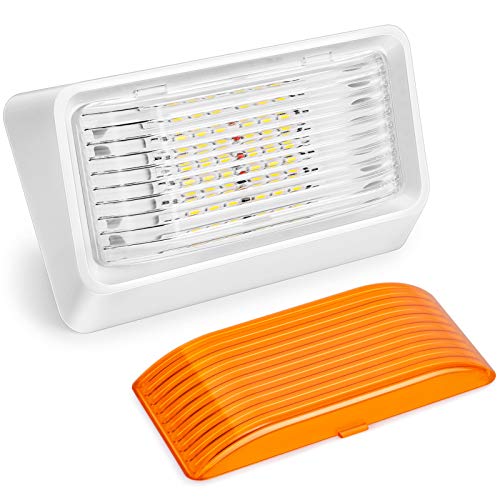
These are the workhorses of RV exterior lighting. Mounted near the entry door, a porch light illuminates the steps and surrounding area for safe entry and exit. Scare lights are typically brighter and mounted higher or on the sides to illuminate a larger perimeter. Look for models with motion sensors for added security and convenience. When choosing, consider the beam pattern—a wide flood is better for area lighting, while a focused spot can reach further.
2. Awning and Strip Lights
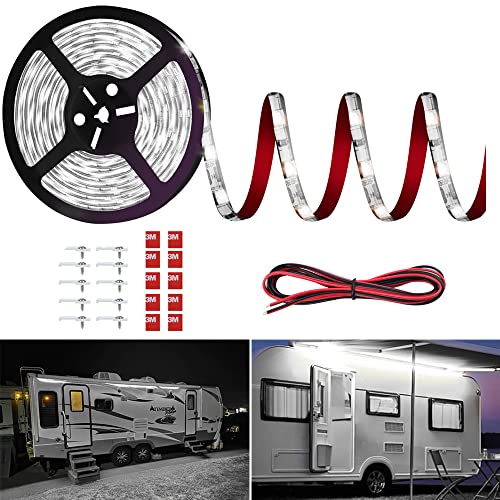
For creating a welcoming outdoor living space, awning lights are unmatched. These LED strips or ropes are mounted along the awning roller or the side of the RV. They provide a soft, diffused glow that is perfect for relaxing, dining, or socializing. Many modern strips are dimmable and offer color-changing options, allowing you to set the mood from a bright white for tasks to a warm amber for evening ambiance. For a more permanent and integrated look, consider 12 volt LED strip lights for RV exterior applications.
3. Under-Cabinet and Compartment Lights
Storage compartments, engine bays, and utility areas are often neglected when it comes to lighting. Small, surface-mount LED pucks or bars can be installed in these spaces. They are invaluable for finding tools, checking fluid levels, or retrieving gear in the dark. Their low power draw means you can leave them on for extended periods without worry.
4. Tail Lights, Turn Signals, and Marker Lights
Safety is paramount on the road. Upgrading your RV's tail lights, brake lights, and side marker lights to LED versions improves visibility to other drivers and reduces the load on your electrical system. LED lights illuminate faster and are far more reliable than incandescent bulbs, which is a critical safety advantage.
Key Features to Consider Before You Buy
Not all 12V LED lights are created equal. To ensure you get the best performance and longevity, pay attention to these critical specifications.
Brightness and Color Temperature
Brightness is measured in lumens, not watts. For a porch light, look for 300 to 600 lumens. For strip lights, 200 to 400 lumens per foot is usually sufficient for ambiance. Color temperature is measured in Kelvin (K). Warm white (2700K–3000K) is cozy and relaxing, natural white (4000K–4500K) is crisp and clean, and cool white (5000K–6500K) is very bright and clinical. For most exterior applications, warm or natural white is recommended.
Durability and Weather Resistance
Your RV exterior is exposed to rain, snow, dust, and UV rays. Look for lights with an IP rating of at least IP65 (dust-tight and protected against water jets) or IP67 (protected against temporary immersion). The housing should be made of UV-resistant plastic or aluminum to prevent yellowing and cracking.
Voltage Range and Compatibility
While designed for 12V systems, RV electrical systems can fluctuate between 10V and 15V. Choose lights with a wide voltage range (e.g., 9V–16V) to ensure they operate reliably without flickering or burning out. If you are adding lights to a system with a solar setup, check our guide on battery and solar panel kits to ensure compatibility.
Installation and Mounting
Consider how the light will be mounted. Surface-mount lights are the easiest to install, often using screws or strong adhesive. Recessed lights require cutting a hole but offer a flush, factory look. Strip lights usually come with adhesive backing, but for a permanent exterior hold, using an aluminum channel with a diffuser is recommended.
The Unmatched Benefits of 12V LED Lighting
Upgrading to LED is one of the most impactful improvements you can make to your RV. Here is why:
- Energy Efficiency: LEDs consume up to 85% less power than incandescent bulbs. This is crucial for boondocking, as it preserves your battery for essentials like your refrigerator and furnace. To further enhance your off-grid power, explore our guide on camping power banks.
- Longevity: A quality LED light can last 50,000 hours or more. You may never need to replace it during the life of your RV.
- Durability: With no filament to break, LEDs are highly resistant to shock and vibration, which are common on rough roads.
- Safety: LEDs run cooler than incandescent bulbs, reducing the risk of burns and fire. They also provide instant, full brightness without a warm-up period.
- Versatility: From dimmable strip lights to motion-sensing security lights, LEDs offer a range of features that were impossible with older technologies.
Installation Tips and Safety Precautions
Installing 12V LED lights is a manageable DIY project for most RV owners. However, always prioritize safety.
- Disconnect Power: Always disconnect the battery or turn off the main breaker before working on any electrical system.
- Plan Your Route: Map out where you want to run wires. Use existing conduits and grommets to protect wires from sharp metal edges.
- Use Proper Connectors: Solder and heat-shrink all connections, or use high-quality crimp connectors. Avoid twist-on connectors, which can loosen over time.
- Fuse Your Circuits: Always add an inline fuse to protect the wiring and the lights. A short circuit could damage your RV's electrical system.
- Test Before Final Mounting: Connect the lights temporarily to ensure they work and the polarity is correct before permanently mounting them.
If you are not comfortable working with electrical systems, consult a professional RV technician. For those who enjoy DIY, our article on best camping gadgets might inspire you with other tech upgrades.
Maintenance and Troubleshooting
12V LED lights are remarkably low-maintenance. However, a few simple practices will ensure they perform for years.
- Cleaning: Wipe the lens with a damp cloth periodically to remove dust and bug residue. Avoid harsh chemicals.
- Check Seals: Inspect the seals around recessed lights and strip lights annually. Reapply silicone sealant if you notice any cracks.
- Troubleshooting Flickering: Flickering is often caused by a loose connection or voltage drop. Check all wiring connections and ensure your battery is in good health. A dimmer switch not designed for LEDs can also cause flickering.
- Troubleshooting Failure: If a single light fails, check the fuse first. If the fuse is good, the light itself may have failed. If multiple lights fail, there is likely a wiring issue.
For more advanced electrical troubleshooting, consider learning about camping generators to understand how power flows through your rig.
Beyond Lighting: Enhancing Your RV Adventure
Your RV exterior lighting is just one part of creating a great camping experience. The right gear can make your trips more comfortable and enjoyable. If you are looking to expand your outdoor living space, consider a portable folding picnic table with 4 seats. For comfortable seating around the campfire, a folding chair with side table heavy duty is a fantastic investment.
When planning your next trip, knowing where to stay is key. If you are heading to the coast, you might want to find RV campgrounds on the beach east coast. For those who love the water, our guide to lake camping offers great tips. And for the ultimate off-grid experience, understanding BLM camping rules is essential.
Safety is always a priority. Make sure your first aid kit is well-stocked. Our articles on common camping injuries and first aid for camping provide valuable information. In case of an emergency, knowing how to use emergency SOS signals is crucial.
Frequently Asked Questions
Can I use any 12V LED light on my RV?
Most 12V LED lights are designed for RV use, but you should always check the voltage range. RV electrical systems can spike, so a light with a range of 9V–16V is ideal. Also, ensure the light is rated for exterior use (IP65 or higher).
How do I know how bright my lights should be?
It depends on the application. A porch light might be 300–600 lumens, while an awning strip might be 200–400 lumens per foot. For security, a scare light can be 800 lumens or more. Consider a dimmable option for versatility.
Are LED lights difficult to install?
Not at all. Many are surface-mount and can be installed with basic tools. The most challenging part is usually routing the wires. If you are not comfortable with electrical work, a professional can install them quickly.
Will LED lights drain my battery?
No, the opposite is true. LEDs are extremely efficient. A typical LED porch light might draw less than 1 amp, whereas an incandescent bulb could draw 2–3 amps. This makes them perfect for boondocking. To further extend your power, look into portable power stations.
Can I mix different color temperatures?
Yes, but for a cohesive look, it is best to stick with one color temperature for your main exterior lights (e.g., all warm white) and use different colors only for accent or decorative lighting.
Final Thoughts: Light Up Your Adventure
Investing in quality 12 volt LED lights for RV exterior is one of the smartest upgrades you can make. They enhance safety, reduce power consumption, and create a welcoming atmosphere wherever you park. By understanding the different types, key features, and installation practices, you can confidently choose the right lights for your needs.
Whether you are a weekend warrior or a full-time nomad, the right lighting will make your RV feel more like home. Take your time, do your research, and enjoy the glow of a well-lit campsite. For more ways to improve your RV experience, explore our guides on camping technology and smart camping gear.