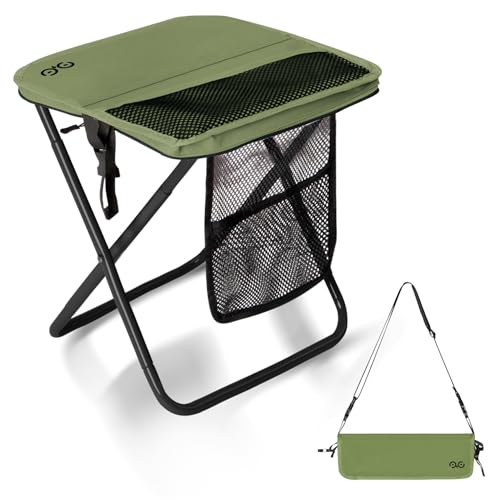
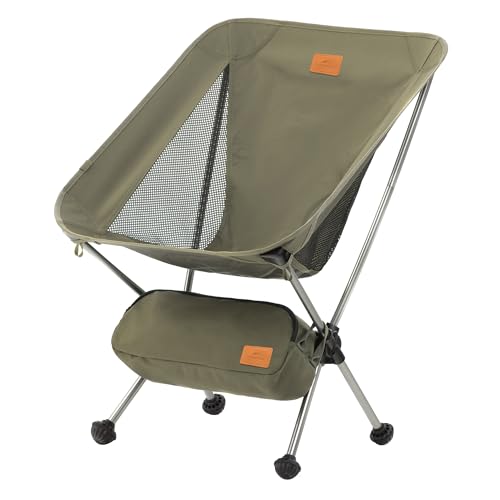
Ultra Light Folding Chair for Outdoor Activities
Discover how to choose the perfect lightweight chair for hiking, backpacking, camping, and festivals. Compare materials, comfort, and portability in our expert guide.
View Recommended ChairsWhen you are out on the trail, every ounce matters. An ultra light folding chair is one of those pieces of gear that can transform your outdoor experience. After a long day of hiking or a full day at a campsite, having a comfortable place to sit is not a luxury—it is a necessity for recovery and enjoyment. However, the challenge lies in finding a chair that is both incredibly light and genuinely comfortable.
This guide is designed for outdoor enthusiasts who already know they want a portable chair but need help understanding the key differences between models. We will explore the materials, frame designs, weight capacities, and comfort features that separate a great chair from one that stays in your closet. By the end, you will have a clear understanding of what to look for to make a confident purchase decision.
Why Trust This Guide? At CampLifeEssentials, we focus on the specifications that matter in the real world. We analyze frame construction, fabric durability, and packed size so you can find a chair that fits your specific adventure style—whether you are a minimalist backpacker or a casual car camper.
Why Choose an Ultra Light Folding Chair?
Traditional camping chairs are bulky and heavy. They are fine for car camping where you have plenty of space, but they are completely impractical for any activity that requires you to carry your gear. An ultra light folding chair solves this problem by using advanced materials and innovative designs to reduce weight without sacrificing structural integrity.
The benefits extend beyond just weight savings. A compact chair packs down small enough to fit inside a backpack side pocket or strapped to the outside of your pack. This makes it an essential item for backpacking trips, where space is at a premium. It is also a game-changer for beach camping and lake camping, where you want to relax comfortably without lugging heavy furniture. If you are still building your gear list, check out our guide on things to bring on a hiking trip to see how a chair fits into the broader picture.
Key Factors to Consider Before Buying
Not all lightweight chairs are created equal. To find the best one for your needs, you need to evaluate several critical factors. Here is what you should look for:
- Weight and Packed Size: The primary reason to buy an ultra light chair is portability. Look for models that weigh under two pounds, with the most premium options weighing less than one pound. The packed size should be compact enough to fit into your backpack or strap to the outside. If you are planning a trip where you need to carry everything, this is non-negotiable.
- Frame Material and Construction: The frame is the backbone of the chair. Entry-level models often use aluminum alloys, while mid-range and premium chairs use advanced aluminum or even carbon fiber. The frame design also matters—some use a traditional X-frame, while others use a hub-and-pole system similar to a tent. The latter is often lighter but can be less stable on uneven ground.
- Fabric Durability: The seat material needs to be tough enough to withstand outdoor use. Look for ripstop nylon or polyester with a high denier rating. These fabrics resist tears and punctures from rocks and branches. A reinforced seating area is a sign of a well-made chair that will last for many seasons.
- Weight Capacity: Just because a chair is light does not mean it is fragile. Reputable manufacturers publish a weight capacity for their chairs. Always check this rating to ensure the chair can safely support you. Premium models often support up to 300 pounds or more, despite weighing very little.
- Comfort and Seating Position: Some ultra light chairs are designed for minimalists and offer a low, reclined seating position. Others are designed to mimic a traditional chair with a higher back and armrests. Consider how you plan to use the chair—if you will be sitting for long periods, a higher back and a more upright position may be more comfortable. If you are using it primarily for short breaks, a minimalist design may be sufficient.
- Ease of Setup: The last thing you want after a long hike is a complicated assembly process. Look for chairs that use shock-corded poles or a simple folding mechanism. Most modern ultra light chairs can be assembled in under a minute once you get the hang of it.
Comparing Chair Tiers: Entry-Level to Premium
To help you understand the market, we have broken down the different tiers of ultra light folding chairs. This classification is based on materials, construction quality, and feature sets—not price. Use this table to identify which tier aligns with your needs.
| Feature | Entry-Level | Mid-Range | Premium / Luxury |
|---|---|---|---|
| Frame Material | Standard aluminum alloy | Advanced aluminum alloys | Carbon fiber or aerospace-grade aluminum |
| Fabric Type | Basic polyester or nylon | Ripstop nylon or reinforced polyester | High-denier ripstop nylon with reinforced stress points |
| Weight Range | 2 to 4 pounds | 1.5 to 2.5 pounds | Under 1.5 pounds (often under 1 pound) |
| Packed Size | Moderate—fits in larger packs | Compact—fits in most backpacks | Ultra-compact—fits in side pockets or small daypacks |
| Weight Capacity | Up to 250 lbs | Up to 300 lbs | Up to 300+ lbs |
| Setup Mechanism | Basic folding or simple assembly | Shock-corded poles or quick-fold design | Hub-and-pole system or advanced quick-deploy frame |
| Comfort Features | Standard seat, no armrests | Higher back, sometimes armrests | Ergonomic design, headrest, premium stitching |
| Durability | Good for occasional use | Excellent for regular use | Exceptional—built for heavy, long-term use |
As you can see, moving up in tier generally means lighter weight, more compact packed size, and better materials. A mid-range chair is often the sweet spot for most outdoor enthusiasts, offering a great balance of weight, comfort, and durability. Premium models are ideal for serious backpackers and those who prioritize every ounce.
Matching the Chair to Your Outdoor Activity
Your intended activity should dictate the type of chair you buy. Here is how to match the chair to your adventure:
- Backpacking and Thru-Hiking: Prioritize weight and packed size above all else. A premium chair under one pound is worth the investment if you are carrying it for miles. Look for a minimalist design with a low seating position. For more tips on lightweight gear, see our guide on 5 essential things to bring in hiking.
- Car Camping and Festivals: You have more leeway here. You can choose a mid-range chair that offers more comfort features, such as armrests and a higher back. Weight is less of a concern, so you can focus on comfort and durability. Check out our car camping checklist to see what else you might need.
- Beach and Lake Days: Look for chairs with wider feet or sand pads to prevent sinking into soft ground. A chair with a slightly higher seat is also easier to get in and out of. Our beach camping guide has more tips for sandy environments.
- Fishing and Hunting: Stability is key. Choose a chair with a wider base and a robust frame. A chair with a slightly higher weight capacity is also a good idea if you are carrying extra gear. You might also be interested in our guide on ice fishing safety if you venture out in winter.
- Motorcycle and Bike Camping: Packed size is critical. You need a chair that can fit into a saddlebag or pannier. A premium, ultra-compact chair is often the best choice here.
How to Care for Your Ultra Light Chair
To get the most life out of your investment, proper care is essential. Ultra light gear is designed to be durable, but it is not indestructible. Here are some simple maintenance tips:
- Clean After Every Trip: Wipe down the frame with a damp cloth to remove dirt and moisture. Sand and grit can wear down the joints and coatings over time.
- Check for Wear: Inspect the fabric for small tears or abrasions. Repair them immediately with a patch kit to prevent them from growing. Check the pole connections and shock cords for signs of wear.
- Store Properly: Store your chair in a cool, dry place. Avoid leaving it in a hot car for extended periods, as heat can degrade the fabric and coatings.
- Do Not Overload: Always respect the weight capacity. Overloading the chair can bend the frame or tear the fabric, leading to failure when you least expect it.
- Practice Setup at Home: Before your trip, practice setting up and taking down the chair at home. This will save you time and frustration at the campsite.
By following these simple steps, your ultra light folding chair will provide reliable comfort for many adventures to come. Remember to always practice Leave No Trace principles and pack out everything you pack in.
Frequently Asked Questions
Are ultra light folding chairs comfortable?
Yes, modern ultra light chairs are designed with comfort in mind. While they may not have all the features of a heavy car-camping chair, they offer a surprisingly comfortable seating experience. The key is to choose a model with a seating position and back height that suits your preferences. Many premium models offer ergonomic designs that rival traditional chairs.
How much weight can an ultra light chair hold?
Weight capacities vary by model. Entry-level chairs typically support up to 250 pounds, while mid-range and premium models often support 300 pounds or more. Always check the manufacturer's specified weight capacity before purchasing. It is a good idea to choose a chair with a capacity that exceeds your weight to ensure a margin of safety.
Can I use an ultra light chair on sand?
Yes, but you should choose a chair with wide feet or specially designed sand pads. These prevent the legs from sinking into soft ground. A chair with a slightly higher seat is also easier to get in and out of on sand. For more beach-specific tips, see our beach camping guide.
How do I set up a hub-and-pole style chair?
Hub-and-pole chairs are similar to tent poles. You simply unfold the poles and slot them into the hub. The shock cords usually guide the poles into the correct position. It takes a few tries to get the hang of it, but most people can set them up in under a minute after a little practice. Always practice at home before your trip.
Is carbon fiber worth it for a camping chair?
Carbon fiber is the ultimate material for weight savings. If you are a serious backpacker counting every ounce, a carbon fiber chair is a worthwhile investment. It is also very strong. However, carbon fiber can be more brittle than aluminum and may not handle rough treatment as well. For most casual campers, a high-quality aluminum alloy frame offers the best balance of weight, durability, and value.
How do I prevent my chair from tipping over?
Choose a chair with a wide base and a stable frame design. On uneven ground, look for a spot that is as level as possible. If you are on a slope, position the chair so that the legs are firmly planted. Some chairs have adjustable feet that can help with stability. Always be mindful of your center of gravity when sitting down and getting up.
Ready to Find Your Perfect Chair?
Explore our curated selection of top-rated ultra light folding chairs. We have analyzed the specs so you can choose with confidence.
View Recommended Chairs