
Closed Cell Foam Pads: The Unbeatable Foundation for Camping Comfort
Discover why seasoned backpackers and campers trust closed cell foam pads for their indestructible reliability, lightweight design, and consistent warmth in any condition.
When it comes to sleeping outdoors, the difference between a restless night and a rejuvenating sleep often comes down to your sleeping pad. While inflatable pads dominate the market with their plush comfort, the humble closed cell foam pad remains a legendary piece of gear for those who prioritize reliability above all else. Unlike air-filled alternatives, these pads cannot puncture, never leak, and work flawlessly even after years of abuse. In this comprehensive guide, we'll explore everything you need to know about closed cell foam pads, from their construction and benefits to how they compare with other sleeping solutions. Whether you're a minimalist backpacker or a car camper looking for a bombproof base layer, understanding this gear will help you make a smarter purchase. For those who prefer a bit more cushioning, you might also consider an inflatable camping sleeping mat, but let's first dive into why the classic foam pad deserves a spot in your kit.
What Exactly Are Closed Cell Foam Pads?
Closed cell foam pads are made from a specialized foam material where the gas bubbles within the foam are completely sealed off from one another. This "closed" structure is the key to their magic. Because the cells are not interconnected, air or water cannot pass through the material. This means the pad is inherently waterproof, highly durable, and virtually immune to punctures. The most common material used is polyethylene or EVA foam, which is lightweight, flexible, and provides excellent thermal insulation. Unlike open cell foam (like a kitchen sponge), which absorbs water and compresses permanently over time, closed cell foam retains its shape and insulating properties even after repeated use. This construction makes them an ideal choice for a foam mattress camping pad, offering a dependable barrier between you and the cold, hard ground.
The manufacturing process involves heating and expanding polymers to create a dense, yet lightweight, sheet. The density of the foam dictates its weight, durability, and insulation value (R-value). Lower-density pads are lighter and pack down smaller, making them great for ultralight backpacking. Higher-density pads are heavier but offer greater durability and warmth, ideal for rugged terrain or winter camping. Many campers use a closed cell pad as a foundational layer beneath an ultralight camping sleeping pad to boost warmth and protect the inflatable pad from punctures, creating a versatile and robust sleep system.
Why Choose a Closed Cell Foam Pad? The Key Benefits
There are several compelling reasons why these simple pads have a cult following among outdoor enthusiasts. Let's break down the primary advantages:
Indestructible Durability
This is the number one reason people love them. You can throw them on rocks, drag them through brush, or use them as a makeshift seat by the fire. They simply will not puncture or tear under normal use. This makes them perfect for BLM camping or rugged primitive camping where the ground is unpredictable.
Unmatched Reliability
There are no valves to break, no seams to burst, and no air to leak out. If you're camping alone, the last thing you want is a gear failure at night. A foam pad is a "set it and forget it" piece of equipment that works every single time.
Lightweight & Simple
They are incredibly simple to use. Just unroll and sleep. Many models are designed as foldable mats for sleeping, which can be used as a sit pad during the day. For backpackers counting every ounce, a simple foam pad is often the lightest option for a given R-value.
Versatility in All Seasons
Closed cell foam pads provide consistent insulation regardless of altitude or temperature. They don't rely on trapped air that can cool down. This makes them a staple for winter camping as a base layer, and for sleeping pads for backpacking in any season.
Excellent Value
Generally, closed cell pads are the most budget-friendly option in the sleeping pad category. An entry-level foam pad costs a fraction of a premium inflatable pad, yet offers superior durability. They are a fantastic choice for beginners, scouts, and anyone looking for dependable gear without a high investment.
Multi-Functional Use
Beyond sleeping, they serve as a clean surface to sit on, a kneepad for repairs, a yoga mat, or even a makeshift splint in an emergency. The versatility of a foldable mat for sleeping extends far beyond the tent.
How to Choose the Right Closed Cell Foam Pad
Not all foam pads are created equal. When selecting the best one for your needs, consider these key factors:
1. R-Value and Warmth
The R-value measures a material's resistance to heat flow. The higher the R-value, the warmer the pad. For summer camping, an R-value of 1.0 to 2.0 is sufficient. For three-season use, look for an R-value between 2.0 and 3.5. For winter camping gear, you'll want an R-value of 4.0 or higher, often achieved by layering two pads. Closed cell pads typically have an R-value of around 2.0, but denser, thicker models can reach higher. Pairing a foam pad with an inflatable pad is a common strategy to boost overall warmth for winter sleeping bags.
2. Thickness and Comfort
Closed cell pads are generally thinner than inflatable ones, usually ranging from 0.5 to 1 inch in thickness. A thicker pad offers more cushioning but is heavier and bulkier. If comfort is a top priority, you might prefer a self-inflating camping mattress. However, for those who prioritize durability and weight, the thin profile of a foam pad is a worthy trade-off.
3. Size and Shape
Closed cell pads come in various sizes. A full-length pad (72 inches) provides coverage from head to toe. A shorter torso-length pad (48 inches) saves weight and space, ideal for ultralight backpackers who use their backpack as a leg pad. Some pads are designed with a "mummy" shape to save weight, while others are simple rectangles. The classic foldable mat for sleeping often features an accordion-style fold for easy packing.
4. Packability
While closed cell pads don't pack down as small as inflatable ones, many models are designed to fold accordion-style, making them easy to strap to the outside of a backpack. A lightweight backpacking pack often has daisy chains or straps specifically for lashing a foam pad to the exterior, keeping your pack's internal space free for other gear.
Closed Cell Foam vs. Inflatable Pads: Which Is Right for You?
The choice between a closed cell foam pad and an inflatable pad often comes down to a trade-off between comfort and reliability. Inflatable pads, like a blow-up camping mattress, offer superior comfort, thickness, and packability. They are excellent for car campers and those who prioritize a luxurious night's sleep. However, they are vulnerable to punctures and leaks, requiring careful handling.
Closed cell foam pads, on the other hand, are the definition of rugged reliability. They are the go-to choice for ultralight backpackers, survivalists, and anyone venturing into remote areas where gear failure is not an option. They are also an essential component of a two-person backpacking tent setup for those who want a no-fuss, dependable sleep system. A common approach is to use a lightweight closed cell pad as a base, and if you crave more comfort, add a mattress pad for camping on top. This hybrid system gives you the best of both worlds: puncture protection for your inflatable pad and the cushioned comfort you desire.
Tips for Using and Caring for Your Foam Pad
To get the most out of your closed cell foam pad, keep these tips in mind:
- Layering is Key: For cold weather, place your closed cell pad under your inflatable pad. This adds an extra layer of insulation and protects the inflatable from sharp objects on the ground.
- Use as a Sit Pad: During the day, pull out your pad to sit on around camp. It keeps you dry and comfortable on logs or rocks.
- Cleaning: Closed cell foam is easy to clean. Simply wipe it down with a damp cloth and mild soap. Avoid harsh chemicals that could degrade the foam.
- Storage: Store your pad flat or rolled loosely. Avoid compressing it tightly for long periods, as this can cause the foam to lose its resilience over time.
- Emergency Use: In a pinch, a closed cell pad can be used as a splint for a broken limb or as extra insulation in an emergency preparedness camping kit.
Recommended Closed Cell Foam Pads
⚠️ AFFILIATE DISCLOSURE: This website contains affiliate links. As an Amazon Associate, we earn from qualifying purchases. If you make a purchase through these links, we may receive a small commission at no additional cost to you. Read our full affiliate policy.

Artilife Closed Cell Foam Roll, Easy to Cut into Foam Sheets & Foam Pads for Sound Insulation, Cushion & DIY Projects (1/2" T x 13" W x 60" L)

8 Pcs Black Adhesive Foam Pads Closed Cell Foam Sheets 1/2" Thick X 4" X 4" | Neoprene Rubber Foam Padding Self Stick Anti-Slip Anti-Vibration Pad for Protection (4X4X1/2 inches, 8Pcs)
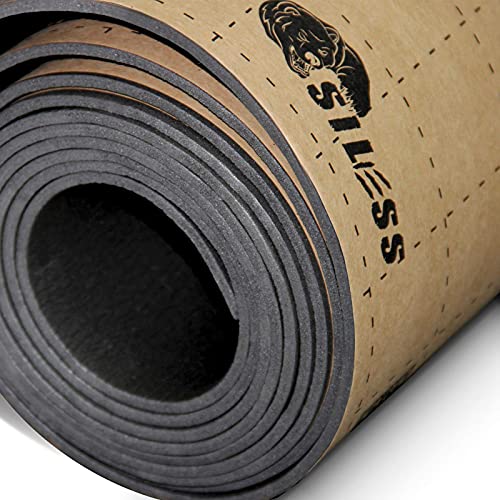
Siless Liner 157 (4 mm) mil 36 sqft Car Sound Deadening Closed Cell Foam & Heat Insulation mat - PE Foam Sound Deadener Material & Heat Barrier

1/8" Closed Cell Foam Pad (Regular (20x60 inches))

Foam Camping Pads for Sleeping, Foldable Closed Cell Foam Camping Mattress, Waterproof Outdoor Sleeping Mat for Ultralight Backpacking Thru-Hiking

Ultralight Foam Sleeping Pad, Waterproof Closed Cell Foam Pad for Superior Insulation, Folding Sleeping Mat for Compact Storage, Foldable and Portable for Hiking and Camping (Blue)

NATGAI Neoprene Closed Cell Foam Roll 1/2" Thick 17" W x 60" L Non Adhesive | Black Foam Roll Sheet 7.08 sq ft, Easy Cut Foam for Soundproof Insulation, Garage Padding, Furniture Pad, Non-Slip Mat, DIY

Artilife Closed Cell Foam Roll, Easy to Cut into Foam Sheets & Foam Pads for Sound Insulation, Cushion & DIY Projects (1/2" T x 17" W x 80" L)
Frequently Asked Questions
Are closed cell foam pads comfortable?
Comfort is subjective. While they are firmer than inflatable pads, many campers find them perfectly comfortable, especially when paired with a sleeping bag for camping. If you need more cushion, you can layer a foam pad under an inflatable one.
What is the R-value of a closed cell foam pad?
A standard closed cell foam pad typically has an R-value of around 2.0. Thicker, denser models can offer an R-value of 3.0 or higher. For winter use, it's common to layer two pads to achieve an R-value of 5.0 or more.
Can I cut a closed cell foam pad to size?
Yes, one of the great advantages of closed cell foam is that it can be easily cut with a sharp knife or scissors to customize the length or shape. This is a popular modification for ultralight backpackers.
Do closed cell foam pads absorb water?
No. The closed cell structure makes them completely waterproof. They will not absorb water, making them ideal for damp conditions. You can simply shake off the water and wipe them dry.
Final Thoughts: The Reliable Choice
In a world of high-tech, expensive gear, the closed cell foam pad stands out as a beacon of simplicity and reliability. It may not offer the plush comfort of a luxury air mattress, but it delivers something far more valuable in the wilderness: peace of mind. It will never let you down, no matter how harsh the conditions. For backpackers, it's an essential piece of an ultralight camping sleeping pad system. For car campers, it's an affordable way to add warmth and protection. And for anyone who has ever woken up to a deflated air mattress, it's a welcome insurance policy. Whether you're planning a first-time camping trip or are a seasoned pro, a closed cell foam pad is a smart, timeless investment in your outdoor comfort and safety.