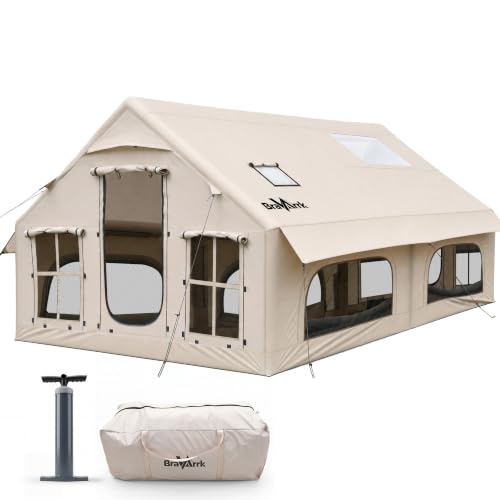
Inflatable Hot Tent: The Ultimate Guide to Heated Winter Camping
Everything you need to know about inflatable hot tents — how they work, why they're revolutionizing cold-weather camping, and how to choose the right one for your adventures.
START LEARNINGWhy inflatable hot tents matter: Traditional hot tents require complex pole assemblies and heavy canvas. Inflatable hot tents change the game by combining rapid air-beam setup with safe stove integration — giving you a warm, spacious shelter in minutes, not hours.
What Is an Inflatable Hot Tent?
An inflatable hot tent is a specialized camping shelter that uses air-filled beams for structural support instead of traditional poles, while also featuring a stove jack — a heat-resistant port that allows you to safely operate a wood stove or heating device inside the tent. This combination transforms what would otherwise be a cold-weather survival shelter into a genuinely comfortable basecamp.
The concept merges two proven technologies: inflatable tent architecture, which has become popular for its rapid setup and packability, and hot tent design, which has been used by winter campers, hunters, and expedition teams for generations. The result is a shelter that's easier to pitch than a traditional canvas wall tent, yet capable of keeping you warm in sub-freezing conditions.
Unlike standard blow-up tents that are designed purely for three-season use, an inflatable hot tent is built with heat-resistant materials, reinforced stove jacks, and often includes features like insulated floors and snow skirts. If you're new to cold-weather camping, it's worth reviewing our hot tent camping guide before diving in.
How Do Inflatable Hot Tents Work?
The magic of an inflatable hot tent lies in its dual-function design. The structural integrity comes from air beams — typically made from durable TPU or PVC — that are inflated using a hand pump, foot pump, or electric pump. These beams form the tent's skeleton, replacing conventional aluminum or fiberglass poles entirely.
The "hot" component comes from the stove jack. This is a heat-resistant port, usually made from fiberglass, silicone, or fire-retardant fabric, that allows a stovepipe to exit the tent safely. When paired with a small wood stove — sometimes called a hot tent stove — the interior temperature can rise dramatically, even when outside temperatures drop well below freezing.
Ventilation is critical. Most inflatable hot tents include multiple vents — often at the peak and near the base — to allow fresh air to circulate while stove gases exit through the chimney. This prevents carbon monoxide buildup and condensation, both of which are serious concerns in any heated shelter.
Key Features to Look For in an Inflatable Hot Tent
Not all inflatable hot tents are created equal. Here are the features that matter most when evaluating your options:
Stove Jack Quality
The stove jack should be made from high-temperature resistant materials and positioned to allow proper pipe clearance. Look for reinforced edges and a secure closure when not in use.
Air Beam Durability
Beams should be made from thick TPU or PVC with reinforced seams. Multi-chamber designs offer redundancy — if one beam fails, the tent doesn't collapse entirely.
Fabric & Insulation
Look for flame-retardant, waterproof fabrics with high denier ratings. Some premium models include insulated layers or reflective coatings to retain heat.
Ventilation System
Multiple vents — ideally adjustable — are essential for safe stove operation. Mesh panels with zip closures work well for summer use.
Floor & Snow Skirt
A bathtub-style floor prevents moisture ingress. Snow skirts allow you to bank snow around the base for additional insulation and wind protection.
Packed Size & Weight
Inflatable hot tents are generally heavier than ultralight backpacking tents but lighter than traditional canvas wall tents. Consider your transport method.
Pros and Cons of Inflatable Hot Tents
✓ Advantages
- Rapid setup — often under 10 minutes
- No loose poles to lose or break
- Excellent wind resistance due to flexible structure
- Spacious interior with near-vertical walls
- Safe stove integration for winter warmth
- Compact packed size compared to canvas tents
- Can be used year-round (stove optional in summer)
✗ Disadvantages
- Requires a pump (manual or electric)
- Risk of puncture from sharp objects
- Heavier than ultralight backpacking tents
- Higher upfront investment than basic tents
- Air beams can lose pressure in extreme cold
- Not ideal for long-distance backpacking
- Repair can be challenging in the field
💡 Pro Tip: If you're planning to use your inflatable hot tent in extreme cold, practice inflating it at home first. Cold air contracts, and you may need to top off the beams after the tent adjusts to outdoor temperatures. Also consider carrying a repair patch kit — punctures are rare but possible.
Inflatable Hot Tent vs. Traditional Hot Tent
How does an inflatable hot tent compare to a traditional canvas wall tent or a canvas bell tent? Here's a side-by-side comparison:
| Feature | Inflatable Hot Tent | Traditional Canvas Hot Tent |
|---|---|---|
| Setup Time | 5–15 minutes | 30–60+ minutes |
| Weight | Moderate (mid-range) | Heavy (top-tier weight) |
| Packed Size | Compact | Bulky |
| Wind Resistance | Excellent (flexible) | Good (rigid frame) |
| Durability | Good (puncture risk) | Excellent (abrasion resistant) |
| Stove Compatibility | Yes (built-in jack) | Yes (built-in jack) |
| Best For | Car camping, basecamp, weekend trips | Extended expeditions, hunting camps |
How to Choose the Right Inflatable Hot Tent
Selecting an inflatable hot tent comes down to matching the shelter to your specific camping style. A few key questions will narrow your options considerably.
1. How Many People Will Use It?
Inflatable hot tents range from compact two-person models to large basecamp shelters that sleep six or more. If you're camping solo or as a couple, a smaller tent heats up faster and is easier to manage. For families or groups, a larger tent provides room for gear and sleeping areas — but requires a more powerful stove to heat effectively. You may also want to review our guide on how to choose tent size for general capacity guidance.
2. What Seasons Will You Camp In?
If your primary goal is winter camping, prioritize tents with robust stove jacks, insulated floors, and snow skirts. For three-season use with occasional cold-weather trips, a lighter inflatable hot tent with a removable stove jack may be more versatile. Our winter tents guide covers additional considerations for cold-weather shelters.
3. How Will You Transport It?
Inflatable hot tents are best suited for car camping, basecamp setups, or trips where you're not covering long distances on foot. If you're backpacking, a traditional ultralight tent paired with a separate ultralight quilt may be more practical.
4. What's Your Experience Level?
Inflatable hot tents are beginner-friendly in terms of setup, but stove operation requires knowledge and caution. If you're new to hot tent camping, start with a smaller, simpler setup and practice at home before heading into the backcountry. Our first-time camping tips can help you prepare.
Inflatable Hot Tent Setup and Safety
Setting up an inflatable hot tent is straightforward, but safety must always come first — especially when a stove is involved.
Setup Steps
Start by clearing a level area free of sharp objects. Unfold the tent and locate the inflation valves — typically one per air beam. Use your pump to inflate each beam to the recommended pressure (usually indicated on the valve or in the manual). Don't over-inflate; air expands in warm conditions and contracts in cold. Once the structure is up, stake out the corners and attach guy lines if needed. If you're using a stove, install the stovepipe through the jack, ensuring proper clearance from the tent walls. For more detailed guidance on pitching in challenging conditions, see our articles on setting up a tent in the snow and setting up a tent in the rain.
Stove Safety
Never operate a stove in any tent without proper ventilation. Carbon monoxide is odorless and deadly. Keep a CO detector in the tent if possible. Maintain the manufacturer's recommended clearance between the stove and tent walls. Never leave a stove burning unattended, and always extinguish it completely before sleeping or leaving camp. Our campfire safety rules and how to extinguish a campfire guides offer additional safety principles that apply to stove use as well.
⚠️ Safety First: Always check local fire regulations before using a stove in your tent. Some areas have seasonal fire bans that apply to all open flames, including tent stoves. See our fire ban guide and campfire regulations for details.
Maintaining Your Inflatable Hot Tent
With proper care, an inflatable hot tent can last for many seasons. Here are the essentials:
After each trip: Clean and dry the tent thoroughly before packing. Moisture left in air beams or fabric can lead to mold and mildew. Wipe down the stove jack area to remove soot and ash residue. Inspect beams for punctures or abrasions — repair small issues immediately with a patch kit.
Storage: Store your tent loosely folded in a cool, dry place. Avoid compressing it tightly for extended periods, as this can stress seams and coatings. Keep it away from sharp objects and direct sunlight when not in use.
Longevity: The lifespan of an inflatable hot tent depends on usage frequency and care. Entry-level models may last a few seasons with regular use, while premium models with thicker fabrics and reinforced seams can last considerably longer. Our article on how long tents last provides more context on tent longevity.
Best Uses for Inflatable Hot Tents
Inflatable hot tents excel in specific scenarios. They're ideal for winter car camping, where you can drive to your site and set up a comfortable basecamp. They're also excellent for hunting trips, ice fishing excursions, and any situation where you want a warm shelter without the bulk of a traditional wall tent. If you're camping in a location with lake camping or beach camping access, an inflatable hot tent can extend your season into colder months.
For those who enjoy winter camping, an inflatable hot tent combined with a quality winter sleeping bag and proper layering clothing creates a complete cold-weather sleep system. And if you're looking for destinations, our guides to winter camping in Colorado, Yellowstone, and snow camping in Alaska offer inspiration for your next adventure.
Frequently Asked Questions
Final Thoughts
Inflatable hot tents represent a genuine leap forward in cold-weather camping comfort. They combine the convenience of inflatable architecture with the warmth and ambiance of a traditional hot tent, making winter camping accessible to more people than ever before. Whether you're a seasoned winter camper looking to upgrade your setup or a curious beginner ready to extend your camping season, an inflatable hot tent is worth serious consideration.
Before you buy, think carefully about your typical camping scenarios, the number of people you camp with, and how you'll transport your gear. A tent that's perfect for solo weekend trips may be too small for family adventures — and vice versa. If you're still weighing your options, our camping FAQ and are expensive tents worth it articles can help clarify your priorities.
With the right inflatable hot tent, a reliable stove, and a commitment to safety, you can enjoy the outdoors in comfort and style — no matter what the thermometer says.