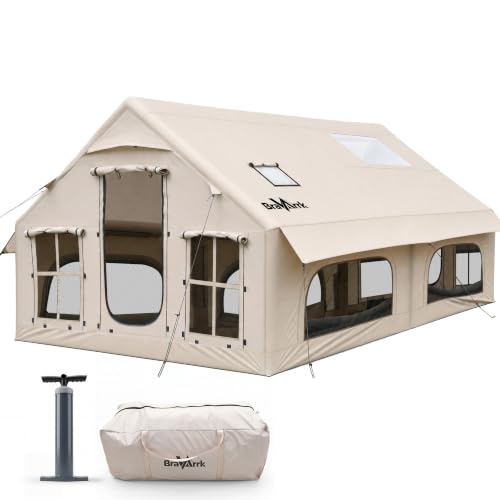
Blow Up Tent: The Complete Guide to Inflatable Camping Shelters
Everything you need to know about blow up tents, from how they work to choosing the right model for your camping adventures.
Camping has evolved dramatically over the past decade. Gone are the days when pitching a tent meant wrestling with a tangled mess of poles and sleeves. Enter the blow up tent — an innovation that has transformed how campers experience the outdoors. Whether you are a weekend warrior or a seasoned backpacker, understanding this technology can help you make smarter gear decisions.
If you are still weighing your options between different shelter styles, our guide on tent vs hammock explores another popular alternative. But for those who prioritize space, stability, and ease of setup, a blow up tent deserves serious consideration.
What Is a Blow Up Tent?
A blow up tent, also known as an inflatable tent or air tent, is a camping shelter that uses air-filled beams instead of traditional metal or fiberglass poles. These air beams are integrated into the tent's fabric and inflate to create a rigid structure that supports the entire shelter.
The concept is simple yet brilliant: instead of assembling poles and threading them through sleeves, you simply pump air into the beams using a hand pump or electric pump. Within minutes, your tent stands fully erect and ready for use. This design has become increasingly popular among families and casual campers who value convenience above all else.
For solo adventurers, a 1 person tent in inflatable form offers a lightweight and quick-pitching solution. Meanwhile, larger groups might prefer a tent with patio that provides additional living space.
How Inflatable Tents Work
The magic of a blow up tent lies in its air beam technology. Each beam is essentially a tube made from durable materials such as TPU (thermoplastic polyurethane) or PVC, encased within the tent's outer fabric. When inflated to the recommended pressure, these tubes become rigid enough to support the tent's weight and resist wind pressure.
Most inflatable tents feature multiple beams arranged in a structure similar to traditional pole tents. A typical design includes:
- Main arches: Curved beams that form the primary structure
- Cross beams: Horizontal supports that add stability
- Ground beams: Low tubes that keep the base taut
The inflation process is straightforward. A single valve or multiple valves connect to a pump, and air flows through internal channels to fill all beams simultaneously. This interconnected system ensures even pressure distribution and quick setup.
For campers who enjoy cooking outdoors, pairing your inflatable tent with a portable camp kitchen creates a complete base camp setup. And if you are planning to camp in colder conditions, our winter tents guide covers specialized options for extreme weather.
Pros and Cons of Blow Up Tents
Like any camping gear, inflatable tents come with distinct advantages and disadvantages. Understanding these will help you decide if this style suits your needs.
Advantages
- Rapid setup: Most models inflate in under five minutes
- No loose poles: Nothing to lose or forget at home
- Stable in wind: Air beams flex rather than break under pressure
- Spacious interiors: Fewer obstructions create more usable space
- User-friendly: Ideal for beginners and families with children
Disadvantages
- Heavier packed weight: Air beams add bulk compared to ultralight poles
- Puncture risk: Sharp objects can damage air tubes
- Pump dependency: You must carry a pump or have access to power
- Higher initial investment: Mid-range and premium models cost more than basic pole tents
- Temperature sensitivity: Air pressure changes with temperature fluctuations
For backpackers counting every ounce, a traditional lightweight 1 person tent for backpacking may remain the better choice. However, for car campers and families, the convenience often outweighs the weight penalty.
Types of Blow Up Tents
The market offers several categories of inflatable tents, each designed for specific camping scenarios. Understanding these types will help you narrow down your options.
| Type | Best For | Typical Capacity | Setup Complexity |
|---|---|---|---|
| Compact Solo | Individual campers, quick trips | 1 person | Very easy |
| Couple's Model | Pairs, weekend getaways | 2 people | Easy |
| Family Air Tent | Families, extended stays | 4-8 people | Moderate |
| Luxury Glamping | Comfort-focused campers | 2-6 people | Moderate |
| Blackout Air Tent | Light sleepers, summer camping | 3-6 people | Easy |
For those who want to stand upright inside their shelter, a pop up tent you can stand up in offers similar benefits with a different setup mechanism. Meanwhile, campers who need a quick-pitching option for the beach might consider a pop up beach tent sun shade shelter.
If you are setting up camp in rainy conditions, learning how to set up a tent in the rain without soaking your gear is an essential skill. Inflatable tents actually excel here because there are no poles to thread in wet conditions.
How to Choose the Right Blow Up Tent
Selecting an inflatable tent requires balancing several factors. Consider these key points before making a purchase.
Capacity and Space
Always choose a tent rated for one more person than you plan to sleep. A "2-person" tent is comfortable for one person plus gear, while a "4-person" model works well for two adults and a child. If you need extra room, look for models with vestibules or porches.
Season Rating
Three-season tents handle spring through fall conditions. Four-season inflatable tents add reinforced beams and heavier fabrics for winter use. If you camp in snow, check our setting up a tent in the snow guide for specialized techniques.
Material Quality
Look for tents with ripstop polyester or nylon flysheets and TPU air beams. Higher denier fabrics resist abrasion better. The quality tier generally breaks down as:
- Entry-level: Basic materials, suitable for occasional use
- Mid-range: Better fabrics and reinforced seams for regular camping
- Premium: Advanced materials, superior waterproofing, and robust construction
- Luxury: Top-tier fabrics, blackout technology, and premium features
Pump Included
Most inflatable tents include a manual hand pump. Some premium models offer electric pumps that connect to your car's 12V outlet or a portable power station. If the pump is not included, factor that into your decision.
Before heading out, make sure you have all essential things to pack for camping and review our list of camping supplies for tent camping to ensure nothing is forgotten.
Setup and Maintenance Tips
Proper care extends the life of your inflatable tent and ensures reliable performance trip after trip.
Setting Up
- Choose a flat, debris-free site. Remove sharp rocks or sticks that could puncture the groundsheet.
- Lay out the tent and locate the inflation valve.
- Connect the pump and inflate until the beams feel firm but not rock-hard.
- Stake out guy lines and secure the tent against wind.
- Adjust tension as needed after the tent settles.
If you are camping on a platform, our setting up a tent on a platform guide provides specific anchoring techniques. For beach camping, check setting up a tent on the beach for sand-specific advice.
Packing and Storage
- Deflate fully before folding to prevent creases that weaken the material
- Clean and dry the tent completely before storage to prevent mold
- Store loosely in a cool, dry place — avoid compressing for long periods
- Keep repair patches and a spare valve handy for emergencies
Understanding how long tents last can help you set realistic expectations. With proper care, a quality inflatable tent can serve you for many seasons.
Frequently Asked Questions
How long does it take to set up a blow up tent?
Most blow up tents can be fully inflated and ready for use in under five minutes. Larger family models may take slightly longer, but they are still significantly faster to pitch than traditional pole tents. The interconnected air beam system allows simultaneous inflation of all structural elements.
Are inflatable tents durable in strong winds?
Yes, quality inflatable tents are designed with multiple air beams that provide excellent structural integrity. When properly secured with guy lines and stakes, they can withstand strong winds comparable to traditional pole tents. The flexibility of air beams actually helps them absorb gusts rather than snap like rigid poles.
Can a blow up tent be repaired if punctured?
Most inflatable tents come with repair patches and replacement air tubes. Minor punctures can be patched easily using the included kit. For serious damage, many manufacturers offer replacement beams that can be swapped out without replacing the entire tent.
Do I need electricity to inflate a blow up tent?
No. Most inflatable tents come with manual hand pumps that require no electricity. Some campers prefer electric pumps for convenience, which can be powered by a car outlet or a camping power bank. However, manual pumps are reliable and add no dependency on power sources.
Are blow up tents good for winter camping?
Standard three-season inflatable tents are not designed for heavy snow loads. However, four-season models with reinforced beams and heavier fabrics can handle winter conditions. If you plan to camp in cold weather, review our winter camping guide and consider a canvas hot tent for extreme conditions.
Final Thoughts
A blow up tent represents a significant advancement in camping convenience. For families, car campers, and anyone who values quick setup and spacious interiors, inflatable tents offer compelling advantages over traditional pole designs. While they may not suit ultralight backpackers, their ease of use and stability make them an excellent choice for a wide range of camping scenarios.
Before your next trip, explore our camping shop recommendations and review the camping FAQ for additional guidance. With the right inflatable tent and proper preparation, you will be ready to enjoy the outdoors with confidence.