
Ultralight Quilt Backpacking: The Complete Guide
Discover how a backpacking quilt can dramatically reduce your pack weight, improve your sleep comfort, and transform your ultralight backpacking experience. This guide covers everything from quilt vs. sleeping bag comparisons to temperature ratings, attachment systems, and expert usage tips.
START EXPLORINGWhy Ultralight Quilts Are Revolutionizing Backpacking
For decades, the traditional mummy sleeping bag dominated the backpacking world. But a quiet revolution has been taking place in the ultralight community, and at its center is the ultralight quilt. Unlike a sleeping bag, a backpacking quilt eliminates the insulation that gets crushed beneath your body, saving significant weight without sacrificing warmth.
The concept is elegantly simple: by removing the hood, back insulation, and zipper, a quilt can weigh 30–50% less than a comparable sleeping bag while providing the same warmth. The pad beneath you provides the bottom insulation, while the quilt drapes over your body like a blanket, trapping heat in a controllable, breathable envelope.
Whether you're a seasoned thru-hiker planning a long-distance trek or a weekend warrior looking to lighten your load, understanding how ultralight quilts work is essential. This guide will walk you through every consideration, from temperature ratings and fill power to attachment systems and real-world usage. If you're new to ultralight principles, start with our camping FAQ for foundational knowledge, or compare different shelter options with our tent vs hammock guide.
Quilt vs. Sleeping Bag: Which Is Right for You?
The choice between a quilt and a traditional sleeping bag depends on your priorities, sleeping style, and typical camping conditions. Here's a detailed breakdown to help you decide.
✅ Advantages of Ultralight Quilts
- Significant weight savings — typically 30–50% lighter than equivalent sleeping bags
- Superior ventilation — easy to regulate temperature by opening the sides
- Compact pack size — compresses smaller, leaving more room for other gear
- Versatile — can be used as a blanket, worn as a cape, or paired with layers
- Comfort for side sleepers — no restrictive mummy hood or zipper
- No crushed insulation — eliminates dead weight beneath your body
⚠️ Potential Drawbacks
- Draft management — requires proper attachment to your pad to prevent cold spots
- No hood — you'll need a warm hat or down balaclava for cold conditions
- Learning curve — attachment systems take practice to master
- Not ideal for restless sleepers — active sleepers may create drafts
- Fewer features — no zippered pockets, draft collars, or integrated hoods
- Less warmth per ounce in extreme cold — below 15°F, a bag may be more efficient
For most three-season backpacking trips in moderate climates, an ultralight quilt offers the best balance of weight, comfort, and versatility. However, if you frequently camp in temperatures below 15°F (-9°C), or if you're a very active sleeper who thrashes around, a traditional mummy bag may still be the better choice. For winter-specific considerations, explore our winter camping gear guide and winter sleeping bags resources.
Head-to-Head Comparison
| Feature | Ultralight Quilt | Traditional Sleeping Bag |
|---|---|---|
| Weight | Typically 30–50% lighter | Heavier due to hood, zipper, and back insulation |
| Temperature Regulation | Excellent — easy to vent | Limited — requires unzipping |
| Pack Size | More compact | Bulkier |
| Draft Protection | Requires pad attachment | Built-in draft collar and hood |
| Side Sleeper Comfort | Excellent | Restrictive |
| Cold Weather Performance | Good above 15°F with proper technique | Better in extreme cold |
| Versatility | Can be used as blanket or cape | Limited to sleeping bag use |
| Learning Curve | Moderate — attachment system practice needed | Low — familiar design |
Key Features of a Quality Backpacking Quilt
Temperature Rating
The temperature rating is the most critical specification. Unlike sleeping bags, quilt ratings are often more conservative because they assume you'll wear a warm hat and use a proper pad. Look for a quilt rated 10–15°F below the lowest temperature you expect to encounter for a comfortable buffer. For a deeper dive into temperature ratings, see our sleeping bag temperature guide — the principles apply equally to quilts.
Fill Power and Insulation Type
Most ultralight quilts use down insulation because of its superior warmth-to-weight ratio and compressibility. Fill power ratings (e.g., 800, 900, 950) indicate how much space one ounce of down occupies. Higher fill power means more warmth per ounce. Synthetic quilts are heavier and bulkier but perform better in wet conditions and cost less. For wet-weather camping, consider how you'll manage moisture — our camping in the rain guide offers valuable strategies.
Attachment Systems
The attachment system is what keeps your quilt in place and prevents drafts. Common systems include:
- Pad straps — elastic or webbing straps that wrap around your sleeping pad
- Snap closures — metal or plastic snaps that connect the quilt's edges
- Drawstrings — adjustable cords at the footbox and neck
- Zippered footbox — some quilts convert to a fully enclosed footbox
Practice attaching your quilt at home before your trip. A poorly attached quilt is a cold quilt.
Footbox Design
The footbox is where your feet stay warm. Options include:
- Sewn-closed footbox — warmest but least ventilated
- Zippered footbox — can be opened for ventilation
- Drawstring footbox — adjustable, lightweight
- Open footbox — most versatile, used as a blanket
Shell and Lining Fabrics
Ultralight quilts use lightweight nylon or polyester fabrics, often with a DWR (Durable Water Repellent) finish. Higher-end models use 7D or 10D fabrics for minimal weight, while more durable options use 15D or 20D. The trade-off is weight versus durability. For rugged terrain, consider a slightly heavier fabric. Our guide to tent longevity offers related insights on gear durability.
How to Use an Ultralight Quilt Effectively
1. Choose the Right Sleeping Pad
Your sleeping pad is not just for comfort — it's a critical part of your insulation system. The pad's R-value determines how well it prevents heat loss to the ground. For three-season quilting, an R-value of 3.0–4.5 is ideal. For winter, look for R-values of 5.0 or higher. Pairing a high-R-value pad with a quilt creates a complete sleep system.
2. Master the Attachment System
Before your trip, practice attaching your quilt to your pad. The goal is to create a seal that prevents warm air from escaping and cold air from entering. Most systems use straps that run under the pad and clip to the quilt's edges. Adjust the tension so the quilt drapes comfortably without compressing the insulation.
3. Wear the Right Clothing
Your sleep clothing is part of your insulation system. Wear a clean, dry base layer (never the clothes you hiked in, which contain moisture and oils). Add a warm hat or down balaclava to compensate for the lack of a hood. For cold conditions, consider down booties and a insulated jacket. Our layering clothing guide provides detailed strategies.
4. Manage Moisture
Down insulation loses its loft when wet. Always use a waterproof stuff sack or liner for your quilt. If condensation is an issue in your tent, consider ventilation strategies. In prolonged wet conditions, a synthetic quilt may be a safer choice. Learn more about moisture management in our rain camping guide.
5. Ventilation and Temperature Regulation
One of the quilt's greatest advantages is its ability to regulate temperature. If you're too warm, simply open the sides or pull the quilt down. If you're cold, cinch the neck and footbox drawstrings and ensure the sides are tucked under you. This dynamic adjustability is what makes quilts so versatile across a wide range of conditions.
Ready to Lighten Your Pack?
An ultralight quilt is one of the most impactful gear upgrades you can make. Browse our recommended backpacking quilts and accessories below to find the perfect match for your adventures.
VIEW RECOMMENDED GEARCaring for Your Ultralight Quilt
Proper care extends the life of your quilt and maintains its warmth. Follow these guidelines:
- Store loosely — never store your quilt compressed. Use a large cotton or mesh storage sack to allow the down to loft fully.
- Wash sparingly — down quilts only need washing every 1–2 years with proper use. Use a gentle down-specific detergent.
- Dry thoroughly — tumble dry on low heat with clean tennis balls to break up clumps. Never air-dry down completely without mechanical agitation.
- Repair promptly — patch tears with Tenacious Tape or similar repair patches to prevent down loss.
- Avoid prolonged UV exposure — store your quilt out of direct sunlight when not in use.
With proper care, a high-quality ultralight quilt can last a decade or more. For more gear maintenance tips, explore our camping FAQ.
Safety Considerations for Quilt Backpacking
While quilts are safe and effective, they require a bit more awareness than sleeping bags. Keep these safety points in mind:
- Know your limits — don't push a quilt beyond its temperature rating. Always carry a buffer layer.
- Watch for drafts — a drafty quilt can lead to hypothermia in cold conditions. Check your attachment system regularly.
- Stay dry — wet insulation is dangerous. Use a waterproof stuff sack and consider a synthetic quilt for very wet environments.
- Have an emergency plan — carry a communication device and know how to signal for help. See our emergency SOS signals guide and camping communication devices for essential information.
- Practice Leave No Trace — always follow Leave No Trace principles to minimize your impact.
Frequently Asked Questions
Final Thoughts: Is an Ultralight Quilt Right for You?
The ultralight quilt is more than a trend — it's a proven tool for backpackers who want to reduce weight without sacrificing warmth or comfort. By understanding temperature ratings, attachment systems, and proper usage techniques, you can enjoy a lighter pack and better sleep on every adventure.
If you're ready to make the switch, start by assessing your typical camping conditions and sleeping style. Then, explore our recommended products below to find a quilt that matches your needs. For more ultralight inspiration, check out our guides on ultralight quilt backpacking and tent vs hammock.
Remember: the best gear is the gear that works for you. Whether you choose a quilt or a bag, get outside, stay safe, and enjoy the journey.
Recommended Ultralight Quilts & Backpacking Gear
⚠️ AFFILIATE DISCLOSURE: This website contains affiliate links. As an Amazon Associate, we earn from qualifying purchases. If you make a purchase through these links, we may receive a small commission at no additional cost to you. Read our full affiliate policy.

Ultralight Sleeping Bag Top Quilt, 850 Down, 1.9 lbs, Rated 30°F
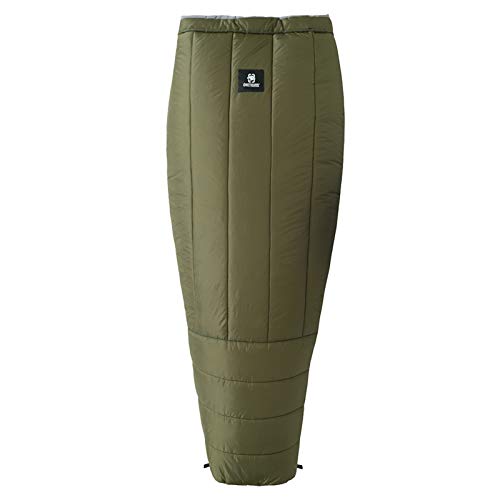
OneTigris Featherlite Ultralight Sleeping Quilt, Weighs Only 35oz

ROSE FEATHER Down Camping Blanket, Lightweight Outdoor Travel Blanket, Puffy Sleeping Bag Blanket, Waterproof Packable Backpacking Quilt for Camping,Travel, Airplane,Hiking,Picnic, 55''x79'' (Blue)

OneTigris Featherlite Ultralight Sleeping Quilt, Weighs Only 35oz

Get Out Gear Down Camping Blanket - Outdoor Lightweight Packable 650 Fill Power Down Blanket Compact Waterproof and Warm Backpacking Quilt for Camping Hiking Travel Hammock

Naturehike Ultralight Backpacking RDS Down Sleeping Bag for Adults

WIND HARD TINY PRO Series 10D Lightweight 800FP Wearable Down Sleeping Bag Quilt for Backpacking Camping Adult Outdoor Travel Sleeping Bag

Naturehike Ultralight Backpacking Down Sleeping Bag for Adults
Disclaimer
Outdoor activities involve inherent risks. The information provided on CampLifeEssentials is for educational purposes only. We are not responsible for any injuries, losses, or damages resulting from the use of this information. Some content may use AI assistance. Always practice Leave No Trace principles and verify local regulations before camping. If you do not agree, please do not use this website. Read the full disclaimer.