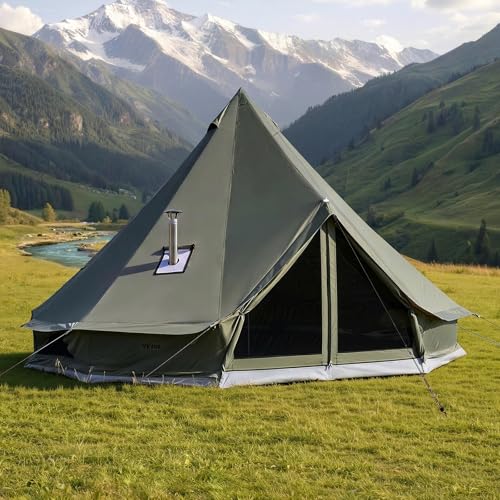
Canvas Bell Tent: The Ultimate Guide to Timeless Outdoor Living
Discover why the canvas bell tent remains the gold standard for glamping, winter camping, and unforgettable basecamps. From material science to stove jack installation, we cover everything you need to know before you buy.
Start Your JourneyWhy a Canvas Bell Tent? In an era of ultralight synthetics, the canvas bell tent stands apart. It is not merely a shelter; it is an experience. The breathable cotton canvas regulates temperature, the towering center pole creates a cathedral-like sense of space, and the classic silhouette evokes the romance of safari and frontier exploration. This guide is designed for the discerning camper who values durability, aesthetic, and the unique comfort that only a canvas bell tent can provide.
What Exactly Is a Canvas Bell Tent?
A canvas bell tent is a circular, single-pole tent characterized by its conical shape and vertical walls. The design originated with the Sibley tent, patented in the mid-19th century, and has been refined over generations. Unlike modern dome tents that rely on a complex network of fiberglass or aluminum poles, a bell tent uses a single, robust center pole (or sometimes an A-frame) to support the roof. This simple architecture creates a vast, open interior with standing headroom across most of the floor plan.
The defining feature is the material: 100% cotton canvas, often treated with a water-repellent and mildew-resistant finish. This material is significantly heavier than nylon or polyester, but it offers unparalleled breathability. In hot weather, the canvas allows heat to escape, and in cold weather, the fibers swell slightly to create a tighter weave, blocking drafts. This natural performance is why canvas bell tents are the preferred choice for hot tent camping and extended stays.
Key Characteristics
- Shape: Conical roof with vertical walls (90° angles).
- Material: Breathable cotton canvas (often 280gsm–360gsm).
- Structure: Single center pole (or A-frame) + tensioned guy lines.
- Floor: Often includes a zipped-in groundsheet (bathtub style).
- Ventilation: Multiple windows, mesh doors, and roof vents.
- Stove Jack: Many models include a pre-installed stove jack for wood stoves.
Canvas vs. Synthetic: The Breathability Advantage
Understanding the material is crucial for making an informed decision. While a synthetic tent might be lighter and pack smaller, it creates a microclimate that can become humid and clammy. A canvas bell tent, on the other hand, acts like a second skin. The cotton fibers absorb moisture from the air and release it through evaporation, preventing condensation from raining down on you inside.
This breathability is a game-changer for winter camping. When you run a wood stove inside a canvas tent, the fabric allows moisture to escape, keeping the interior dry and comfortable. In contrast, a synthetic tent traps moisture, leading to a damp, cold environment. Furthermore, canvas is inherently more durable. It resists UV degradation, tears, and punctures far better than lightweight synthetics. A well-maintained canvas bell tent can easily last a decade or more, making it a superior long-term investment. For those who prioritize longevity and comfort over ultralight packability, canvas is the clear winner.
Key Features to Evaluate Before Buying
Not all canvas bell tents are created equal. When you begin your research, you'll encounter a range of options from entry-level to luxury. Here are the critical components to scrutinize:
Fabric Weight & Treatment
Look for canvas weights between 280gsm and 360gsm. Heavier canvas is more durable and weather-resistant but also heavier to pack. Ensure the canvas is treated for water repellency and mildew resistance. Some premium models use a fire-retardant treatment, which is essential for campfire safety.
Stove Jack & Ventilation
If you plan to camp in cold weather, a stove jack is non-negotiable. It is a heat-resistant patch (often fiberglass or silicone) with a hole for the stovepipe. Look for a tent with a well-placed stove jack and a spark arrestor. Also, check the number of windows and roof vents to ensure adequate airflow in summer.
Pole & Guy Line System
The center pole should be sturdy, often made from powder-coated steel or aluminum. The guy lines should be pre-attached and made from reflective material for visibility at night. A tensioning system (like a ratchet or a simple loop) makes setup easier.
Groundsheet & Floor
A zipped-in, bathtub-style groundsheet is a major convenience. It keeps bugs out and provides a dry floor. Look for a heavy-duty PVC or polyethylene groundsheet that is easy to clean. Some tents offer a separate footprint for extra protection.
Doors & Windows
A large, D-shaped door with a mesh screen is ideal for ventilation and easy entry. Roll-up windows with mesh screens provide cross-breeze. Consider a tent with a porch or awning for extra outdoor living space.
Size & Capacity
Bell tents are sized by diameter (e.g., 3m, 4m, 5m). A 3m tent is cozy for 2 people with gear. A 4m tent is comfortable for a family of four. A 5m+ tent is for glamping or group use. Remember, the sloping walls mean the usable floor space is less than the diameter suggests.
Seasonal Performance: From Summer Glamping to Winter Basecamp
The versatility of a canvas bell tent is one of its greatest strengths. With the right accessories, it can function as a comfortable shelter in almost any condition.
Summer & Glamping
In warm weather, the breathability of canvas keeps the interior cooler than a synthetic tent. Roll up the side walls (if your model allows) to create a breezy, open-air pavilion. The tall ceiling and spacious interior make it perfect for glamping, offering a touch of luxury in the great outdoors. You can furnish it with a real bed, rugs, and even a small portable fridge for a truly comfortable experience.
Winter & Cold Weather
This is where the canvas bell tent truly shines. With a wood stove and a stove jack, it becomes a warm, cozy haven. The canvas walls insulate far better than synthetic materials. However, you must manage condensation. Ensure adequate ventilation by keeping a roof vent slightly open. A winter sleeping bag rated for the conditions is still essential. For deep winter, consider a tent with a snow skirt to block drafts. Always follow winter camping safety protocols.
Rain & Wind
A properly pitched canvas bell tent with all guy lines tensioned is remarkably stable in wind. The conical shape sheds wind effectively. The canvas itself is water-repellent, but in prolonged heavy rain, you may experience some "wicking" along the seams. A good seam sealer is your friend. The bathtub groundsheet is critical for keeping you dry. For tips on setting up in wet conditions, see our guide on how to set up a tent in the rain.
Setting Up Your Canvas Bell Tent: A Step-by-Step Guide
Setting up a bell tent is a straightforward process, but it requires attention to detail to ensure stability and longevity. Here is a condensed guide:
- Choose a Level Site: Clear the area of rocks, sticks, and debris. A level site is crucial for a taut pitch.
- Lay Out the Groundsheet: Unroll the tent and position the groundsheet. Stake down the corners loosely.
- Insert the Center Pole: Assemble the center pole and place it under the peak of the tent. This is a two-person job for larger tents.
- Raise the Tent: Lift the center pole to raise the tent. The fabric will begin to take shape.
- Stake the Perimeter: Once the tent is standing, stake down the loops around the base. Pull the fabric taut as you go.
- Tension the Guy Lines: This is the most important step. Guy lines should be tensioned at a consistent angle (around 45 degrees) to create a taut, wind-resistant structure. Use the tensioners to adjust.
- Adjust the Center Pole: Fine-tune the center pole height to remove any wrinkles in the canvas. The tent should be drum-tight.
- Install the Stove (If Applicable): If using a wood stove, set it up according to the manufacturer's instructions and ensure the stovepipe is properly seated in the stove jack. Always maintain a safe clearance from the canvas.
For a more detailed walkthrough, including tips for different terrains, see our guide on setting up a tent on a platform or setting up a tent on the beach.
Care and Maintenance for Longevity
A canvas bell tent is an investment. With proper care, it will last for many seasons. Here are the essentials:
- Always Dry Before Storing: Never store a damp canvas tent. Mildew can ruin the fabric. Set it up in the sun to dry completely before packing it away.
- Clean Gently: Use a soft brush or a damp cloth to remove dirt. Avoid harsh chemicals or detergents. For stubborn stains, use a mild soap and water solution.
- Re-Waterproof Periodically: Over time, the water-repellent treatment may wear off. You can re-apply a canvas-specific waterproofing agent.
- Store Properly: Store in a cool, dry place. Avoid compressing it too tightly for long periods, as this can damage the canvas fibers.
- Repair Promptly: Patch any small tears or holes immediately to prevent them from growing. A repair kit with canvas patches and seam sealer is a good investment.
For general tent care, see our article on how long do tents last.
Is a Canvas Bell Tent Right for You?
A canvas bell tent is an excellent choice for a specific type of camper. It is ideal for:
- The Glamper: Who wants a beautiful, spacious, and comfortable shelter that feels like a home away from home.
- The Winter Camper: Who needs a reliable, breathable shelter that can accommodate a wood stove.
- The Basecamper: Who sets up a central camp for multiple days and wants a durable, livable space.
- The Family: Who needs a large, tough tent that can handle kids, dogs, and gear.
It is less ideal for backpackers or those who need to move camp frequently, due to its weight and bulk. If you are looking for a lightweight option, a hammock or a ultralight quilt setup might be more suitable. However, for car campers and those who prioritize comfort, the canvas bell tent is unmatched.
Frequently Asked Questions
Can I use a canvas bell tent in the rain?
Yes, absolutely. A properly treated canvas bell tent is designed to withstand rain. The key is to ensure it is pitched taut and all guy lines are tensioned. The canvas will swell slightly when wet, which actually makes the weave tighter and more waterproof. However, you should avoid touching the inside of the canvas during a heavy rain, as this can break the surface tension and cause a leak.
How do I prevent mold and mildew?
The number one rule is to never store your tent wet. Always set it up to dry completely in a sunny, well-ventilated area before packing it away. If you live in a humid climate, consider storing it with a desiccant packet. If mildew does appear, clean it with a diluted vinegar solution and allow it to dry thoroughly.
What size canvas bell tent should I buy?
For two people with minimal gear, a 3m tent is sufficient. For a family of four, a 4m or 5m tent is recommended. If you plan to use a wood stove and cots, go up a size. As a rule of thumb, the diameter in meters roughly corresponds to the number of people it can sleep comfortably (e.g., a 4m tent sleeps 4).
Is a canvas bell tent heavy?
Yes, canvas is heavier than synthetic materials. A 4m canvas bell tent can weigh anywhere from 50 to 80 pounds (23-36 kg), depending on the fabric weight and features. This makes it unsuitable for backpacking, but perfectly fine for car camping or using a camper flatbed trailer.
Can I put a wood stove in any canvas bell tent?
No, you can only use a wood stove in a tent that is explicitly designed for it and has a stove jack. Never cut a hole in a tent that is not designed for a stove. Always follow the stove and tent manufacturer's safety guidelines. For more, see our guide on hot tent stoves.