Galapagos Islands Camping & Adventure Guide
Discover the ultimate guide to exploring the Galapagos Islands — from essential camping gear and wildlife safety to packing checklists and sustainable travel tips for an unforgettable outdoor adventure.
START PLANNINGWhy the Galapagos Islands? The Galapagos Islands offer a once-in-a-lifetime outdoor experience with unique wildlife, volcanic landscapes, and pristine beaches. Whether you're camping, hiking, or exploring by boat, proper preparation is the key to a safe and memorable adventure.
Why the Galapagos Islands Should Be on Your Adventure List
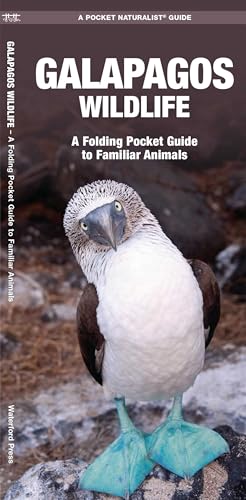
The Galapagos Islands are a bucket-list destination for nature lovers and adventure seekers. Located in the Pacific Ocean, this archipelago is famous for its extraordinary wildlife — giant tortoises, marine iguanas, blue-footed boobies, and sea lions — all of which can be observed in their natural habitat. For campers and outdoor enthusiasts, the islands offer a unique blend of camping opportunities, hiking trails, and water-based adventures.
Unlike traditional campgrounds, camping in the Galapagos is carefully regulated to protect the fragile ecosystem. This means your adventure requires thoughtful planning, the right gear, and a commitment to Leave No Trace principles. The reward? Unparalleled access to some of the most beautiful places in the world.
What Makes Galapagos Camping Unique
🐢 Wildlife Encounters
Observe giant tortoises, sea lions, and marine iguanas up close. Unlike many destinations, the wildlife here is unafraid of humans, offering incredible photography and observation opportunities.
🌋 Volcanic Landscapes
Camp near volcanic craters, lava fields, and black-sand beaches. The islands' geological diversity provides a dramatic backdrop for any outdoor adventure.
🏕️ Regulated Camping
Camping is permitted only in designated areas with permits. This ensures minimal environmental impact while still allowing visitors to experience the islands' natural beauty.
🌊 Water Adventures
Snorkeling, kayaking, and diving are world-class here. Campers can combine land-based exploration with water activities for a complete adventure experience.
Best Time to Visit the Galapagos Islands
The Galapagos Islands can be visited year-round, but the experience varies by season. The dry season (June to November) offers cooler temperatures, clearer water for snorkeling, and active wildlife. The wet season (December to May) brings warmer temperatures, calmer seas, and lush green landscapes. For campers, the dry season is generally more comfortable due to lower humidity and fewer mosquitoes.
Keep in mind that the islands are busiest during school holidays and the peak tourist season. If you prefer a quieter experience, consider visiting during the shoulder months. Always check the best time to camp guidelines for the specific island you plan to visit.
Essential Gear for Galapagos Camping
Packing the right gear is critical for a successful Galapagos camping trip. The islands' unique climate — hot days, cool nights, and unpredictable weather — demands versatile equipment. Start with a reliable tent that can handle wind and occasional rain. A quality sleeping bag rated for warm to cool conditions is essential, along with a comfortable sleeping pad for insulation and cushioning.
For cooking, a portable propane camping stove is ideal, as open fires are heavily restricted. Bring a portable shower and portable toilet if your campsite lacks facilities. Don't forget solar-powered lanterns for sustainable lighting and a power bank to keep devices charged.
Galapagos Camping Packing Checklist
- Lightweight, waterproof tent
- Warm-weather sleeping bag
- Sleeping pad or air mattress
- Portable camping stove
- Reusable water bottle with filter
- Solar-powered lantern
- Power bank for devices
- First aid kit
- Sun protection (hat, sunscreen, sunglasses)
- Insect repellent
- Quick-dry clothing
- Sturdy hiking shoes
- Snorkeling gear
- Dry bag for electronics
- Leave No Trace waste bags
Wildlife Safety and Responsible Camping
The Galapagos Islands are a protected national park, and interacting with wildlife is strictly regulated. Always maintain a safe distance from animals — at least six feet (two meters) is recommended. Never feed or touch the wildlife, as this can disrupt their natural behaviors and harm their health. Store food securely to prevent attracting animals to your campsite.
For your safety, familiarize yourself with first aid for camping and carry a comprehensive camping first aid kit. Know how to recognize and respond to common camping injuries. If you're camping in remote areas, consider carrying a satellite communicator or emergency beacon for emergencies.
Respect campfire regulations — open fires are generally prohibited in the Galapagos. Use a camp stove for cooking and always follow Leave No Trace principles to minimize your impact.
Camping Styles for the Galapagos
While traditional wild camping is not permitted in the Galapagos, there are several ways to experience the islands' outdoors. Glamping options are available on some islands, offering comfortable tents with amenities. Beach camping is allowed in select areas with permits, providing a unique coastal experience.
For those who prefer more comfort, bungalows and resorts on the islands offer a base for day trips and exploration. If you're traveling by boat, you can combine island hopping with camping on permitted islands. Always check with local authorities for current regulations and permit requirements.
Adventure Activities Beyond Camping
The Galapagos Islands offer more than just camping. Snorkeling with sea turtles, kayaking through mangroves, and hiking to volcanic craters are just a few of the activities available. For fishing enthusiasts, the islands offer excellent rod fishing opportunities (check local regulations first).
Photography enthusiasts will find endless inspiration, from the iconic tourist attractions to the islands' unique wildlife. If you're looking for a different kind of island adventure, consider comparing the Galapagos with other Caribbean islands to see which destination best fits your travel style.
Sustainable Travel Tips for the Galapagos
The Galapagos Islands are a UNESCO World Heritage Site, and sustainable travel is essential to preserve them for future generations. Here are some key tips:
- Bring a reusable water bottle and refill it instead of buying plastic bottles.
- Use reef-safe sunscreen to protect marine life.
- Pack out all trash — don't leave anything behind.
- Choose eco-friendly accommodations and tour operators.
- Respect wildlife and follow park rules at all times.
- Support local businesses and communities.
By following these principles, you can enjoy the Galapagos while helping to protect its unique ecosystem. For more sustainable camping practices, explore our guide to BLM camping and free places to camp.
Frequently Asked Questions About Galapagos Camping
Can you camp anywhere in the Galapagos Islands?
No, camping is only permitted in designated areas with a valid permit. The Galapagos National Park strictly regulates camping to protect the fragile ecosystem. Always check with local authorities before planning your trip.
What gear do I need for Galapagos camping?
Essential gear includes a lightweight tent, warm-weather sleeping bag, sleeping pad, portable stove, solar lantern, first aid kit, sun protection, and a reusable water bottle. Snorkeling gear is also recommended for water activities.
Is wild camping allowed in the Galapagos?
No, wild camping is not allowed. All camping must be done in designated campsites with proper permits. This protects the islands' unique wildlife and environment. For alternatives, consider campground vs wild camping options elsewhere.
What is the best time to camp in the Galapagos?
The dry season (June to November) is generally the best time for camping, with cooler temperatures and less humidity. However, the wet season (December to May) offers warmer weather and lush landscapes. Check weather alerts before your trip.
Do I need a permit to camp in the Galapagos?
Yes, you need a permit from the Galapagos National Park to camp in designated areas. Permits can be obtained through authorized tour operators or directly from the park administration. Plan ahead, as permits are limited.
Ready to Explore the Galapagos? With the right gear and preparation, your Galapagos camping adventure can be a life-changing experience. Start by reviewing our camping checklists and first-time camping tips. Then, explore our recommended gear below to get started.