Sleeping Bag Sleeping Bag: The Ultimate Guide to Choosing the Right Bag
Everything you need to know about sleeping bags — temperature ratings, fill types, shapes, and expert tips to sleep comfortably outdoors in any season.
START EXPLORINGWhy a sleeping bag is your most important camping investment: A good night's sleep makes or breaks your outdoor adventure. Unlike a tent, which shelters you from the elements, your sleeping bag is what keeps you warm, comfortable, and energized for the next day's activities. This guide will walk you through every decision — from fill power to shape — so you can choose with confidence.
What Exactly Is a Sleeping Bag and Why Does It Matter?
A sleeping bag is a portable, insulated bedding designed to keep you warm while sleeping outdoors. Unlike regular blankets, sleeping bags are engineered to trap body heat efficiently, often using a combination of insulation, a hood, and a draft collar. The phrase "sleeping bag sleeping bag" might sound redundant, but it reflects how essential this piece of gear is — it's the core of your sleep system.
Whether you're car camping, backpacking, or embarking on a winter camping trip, the right bag can mean the difference between a restful night and a miserable one. Modern sleeping bags come in various shapes, temperature ratings, and insulation types, each suited to different conditions and budgets. If you're still deciding between a tent and a hammock, our tent vs hammock guide can help clarify your shelter choice.
Understanding Sleeping Bag Temperature Ratings
Temperature ratings are the single most important specification on any sleeping bag. They indicate the lowest temperature at which an average sleeper (warm sleeper, cold sleeper) can expect to stay comfortable. Ratings are typically divided into three categories:
- Comfort rating: The temperature at which a cold sleeper (a woman, for example) can sleep comfortably. This is the most conservative and safest number to rely on.
- Lower limit rating: The temperature at which a warm sleeper (a man, for example) can sleep comfortably in a curled position.
- Extreme rating: A survival-only rating where you'd be at serious risk of hypothermia. Never plan to sleep at this temperature.
For a deeper dive into how ratings are determined and how to match them to your trip, see our sleeping bag temperature guide. As a rule of thumb, choose a bag rated at least 10°F (5°C) lower than the coldest temperature you expect to encounter. For winter conditions, you'll want a bag rated well below freezing — our best winter sleeping bags guide covers top-tier options.
Down vs. Synthetic Insulation: Which Is Right for You?
Sleeping bags use one of two insulation types: down (from duck or goose feathers) or synthetic (polyester-based). Each has distinct advantages depending on your priorities.
Down Sleeping Bags
Down is prized for its superior warmth-to-weight ratio and compressibility. A high fill-power down bag (e.g., 800+ fill) packs down tiny and is ideal for backpacking. However, down loses its insulating ability when wet and is generally more expensive. If you're a backpacker looking for the lightest option, explore our goose down sleeping bag recommendations and ultra-lightweight backpacking gear.
Synthetic Sleeping Bags
Synthetic insulation retains warmth even when damp, dries quickly, and is more budget-friendly. It's heavier and bulkier than down, making it a better fit for car camping or wet climates. Many entry-level and mid-range bags use synthetic fill, and they're a great choice for beginners or anyone camping in humid conditions. For a versatile sleep system, consider an all-in-one sleeping bag and mattress.
Sleeping Bag Shapes: Mummy, Rectangular, and Everything In Between
The shape of your sleeping bag affects warmth, comfort, and packability. Here's how the main styles compare:
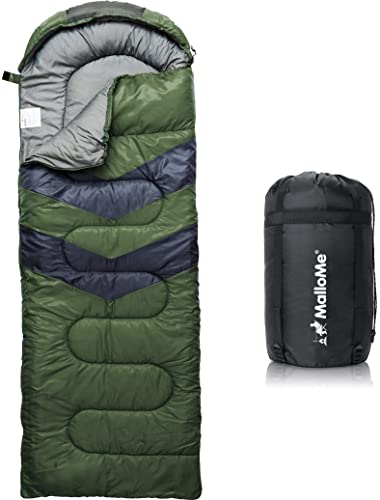
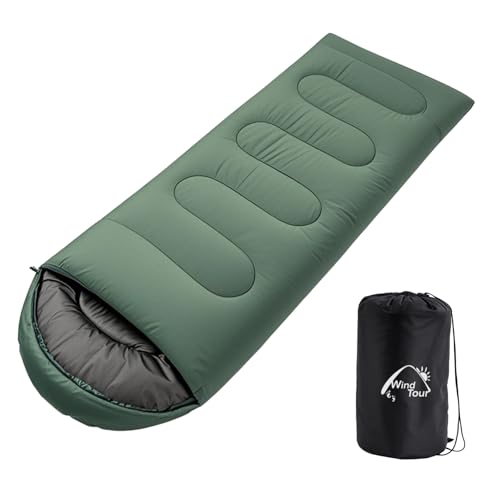
- Mummy bags: Tapered to fit your body closely, with a hood and draft collar. They offer the best warmth-to-weight ratio because there's less dead air space to heat. Ideal for backpacking and cold weather. However, some side sleepers find them restrictive.
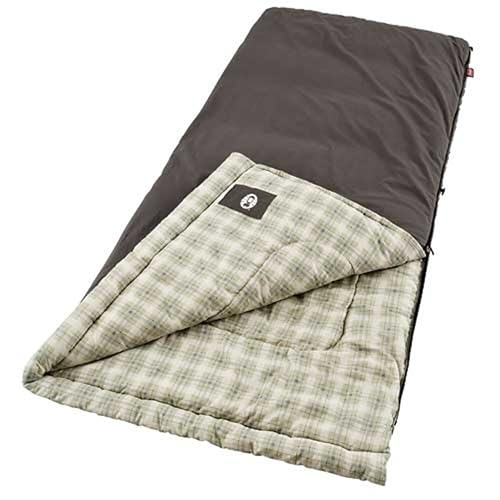
- Rectangular bags: Roomy and comfortable, often able to be unzipped into a quilt. They're great for car camping and warm-weather trips but are heavier and less thermally efficient. If you prefer a roomier sleep, a rectangular bag might be your best bet.
- Double-wide / couple bags: Designed for two people, these can be a cozy option for couples. Some can be zipped together with a matching bag to form a double. If you're camping with a partner, consider a double bed air mattress underneath for extra comfort.
- Quilts: Minimalist and ultralight, quilts lack a hood and back insulation, relying on your sleeping pad for warmth. They're popular among thru-hikers and ultralight backpackers. Check out our ultra-lightweight backpacking tents if you're building a lightweight kit.
Don't Forget Your Sleeping Pad: The Foundation of Warmth
A sleeping bag only insulates you from the top and sides — the bottom is compressed, offering almost no warmth. That's why a quality sleeping pad is essential. It provides insulation from the cold ground and cushioning for comfort. For camping, options range from closed-cell foam pads to inflatable air mattresses with built-in pumps. Our sleeping pad camping mat guide covers the best choices.
If you're car camping or glamping, you might prefer the luxury of an air mattress. We have guides on queen size air mattress with built-in pump and double high air mattress with built-in pump. For those with back pain, a memory foam mattress topper for bad back can make a world of difference. And if you're camping in a vehicle, check out the blow-up mattress for back seat of car.
Key Features That Make a Great Sleeping Bag
Beyond insulation and shape, these features can significantly impact your comfort and satisfaction:
- Hood and draft collar: Essential for retaining heat around your head and neck. Mummy bags almost always include them.
- Zipper type: A two-way zipper lets you vent from the bottom; anti-snag zippers prevent fabric from catching. Left- and right-zip options allow you to pair two bags together.
- Shell fabric: Look for water-resistant or breathable fabrics. A ripstop nylon shell balances durability and weight. For wet conditions, consider a bag with a DWR (durable water repellent) finish.
- Storage: A lofting sack for home storage (never store a sleeping bag compressed) and a stuff sack for travel are must-haves.
- Pad attachment: Some bags have straps or sleeves to secure them to a sleeping pad, preventing midnight slip-offs.
Match Your Sleeping Bag to Your Camping Style
Your ideal sleeping bag depends on how and where you camp. Here's a quick breakdown:
- Car camping: Prioritize comfort and roominess. A rectangular or double-wide bag with a plush memory foam mattress topper with cooling gel creates a cozy bed. You can also use a foam topper for bed for extra cushioning.
- Backpacking: Weight and packability are king. Choose a mummy-style down bag with a high fill power and pair it with an ultra-light backpacking pack.
- Winter camping: A bag rated for sub-zero temperatures, often with a draft collar and hood, is mandatory. Consider a military modular sleep system for extreme versatility, or explore hot tent camping for a wood-stove-heated shelter. Always check our winter camping safety guide.
- Warm-weather camping: A lightweight synthetic or down quilt or a rectangular bag rated for 40°F (5°C) or higher is sufficient. For beach camping, see our beach camping guide.
How to Care for Your Sleeping Bag So It Lasts for Years
Proper care extends the life and performance of your sleeping bag. Always store it uncompressed in a large cotton or mesh sack. Clean it according to the manufacturer's instructions — down bags require special down wash, while synthetic bags can often be machine-washed on gentle. Avoid dry cleaning, which can damage insulation. For tips on keeping your camp comfortable, see our camping checklist.
If you camp with pets, our camping with dogs guide offers advice on protecting your gear. And for those who camp in cold weather, a heated camping blanket (if available) or a cooling pad for bed can extend comfort.
Common Sleeping Bag Mistakes to Avoid
- Choosing a bag that's too cold: Always err on the side of a warmer bag. You can always vent a warm bag, but you can't add warmth to a cold one.
- Neglecting the sleeping pad: As mentioned, a bag alone won't keep you warm from the ground. Invest in a pad with a suitable R-value.
- Wearing too many clothes: Wearing heavy layers inside a sleeping bag can actually make you colder by trapping sweat and reducing loft. Wear a base layer and add layers only if needed.
- Storing compressed: Never store your bag in its stuff sack long-term. This crushes insulation and reduces loft.
- Ignoring the shape: Side sleepers often find mummy bags restrictive. If you toss and turn, a rectangular or semi-rectangular bag may be more comfortable.
Ready to Choose Your Perfect Sleeping Bag?
With the knowledge from this guide, you're well-equipped to select a sleeping bag that matches your adventure. Remember to consider temperature rating, insulation type, shape, and the sleeping pad you'll pair it with. Whether you're a first-time camper or a seasoned backpacker, the right bag is an investment in countless nights of good sleep under the stars.
For more gear advice, explore our camping gear hub and camping FAQ. If you're planning a trip, our camping destinations section can inspire your next journey. And don't forget to check our camping safety resources before you head out.