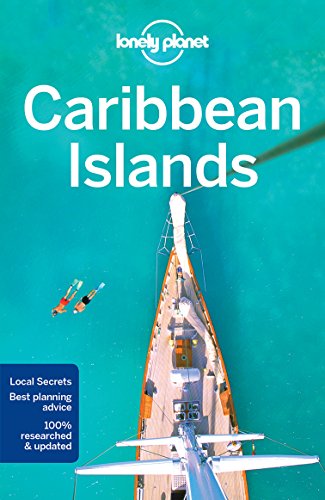
Caribbean Islands Camping Guide: Gear, Tips & Destinations
Discover the ultimate tropical camping experience. From pristine beaches to lush rainforests, learn how to camp comfortably and responsibly on the Caribbean's most beautiful islands.
Explore Island GuideWhy Camp in the Caribbean? The Caribbean offers a unique camping experience unlike any other. With warm turquoise waters, white-sand beaches, and vibrant island culture, it's a paradise for outdoor enthusiasts. However, tropical camping requires specific preparation and gear to handle humidity, salt air, and sudden rain showers. This guide will walk you through everything you need to know.
Why Choose the Caribbean for Your Next Camping Adventure
The Caribbean archipelago stretches over 2,000 miles, comprising more than 7,000 islands, islets, and cays. Each offers a distinct blend of culture, terrain, and camping opportunities. Unlike traditional mountain or forest camping, Caribbean camping immerses you in a tropical environment where the ocean is your backyard and the trade winds keep you cool at night. Whether you're pitching a tent on a secluded beach, parking an RV near a coral reef, or setting up a hammock between palm trees, the experience is unforgettable. For those who prefer a mix of comfort and nature, glamping options are increasingly available on many islands, offering safari-style tents with real beds and amenities.
Camping in the Caribbean is also surprisingly accessible. Many islands have well-maintained campgrounds managed by national park services or private operators. These range from primitive sites with basic facilities to full-service RV resorts with electricity, water, and Wi-Fi. If you're traveling with your own vehicle, you'll find RV parks on larger islands like Puerto Rico and Trinidad, though smaller islands may only accommodate tent camping. For those flying in, renting a camper or a pop-up camper on a trailer can be a convenient option, though availability varies by island.
One of the biggest draws is the sheer diversity of experiences. You can spend your morning snorkeling in crystal-clear waters, your afternoon hiking through a rainforest, and your evening watching the sunset from a cliffside campsite. The Caribbean is also home to some of the most beautiful places in the world, and camping allows you to experience them intimately, away from crowded resorts. If you're looking for inspiration beyond the Caribbean, consider the unique wildlife and landscapes of the Galapagos Islands, another incredible island camping destination.
Best Caribbean Islands for Camping
Not all Caribbean islands are equally suited for camping. Some have well-developed infrastructure, while others offer raw, off-grid experiences. Here are the top islands for campers, categorized by their overall camping infrastructure and accessibility.
Puerto Rico
Puerto Rico is the most camper-friendly island in the Caribbean. With a robust national park system, numerous camping sites, and easy access to supplies, it's ideal for both beginners and seasoned campers. The island's state park camping model is well-organized, though Florida is not in the Caribbean, the comparison is useful for understanding organized campgrounds.
Top Spots: Culebra's Flamenco Beach, Vieques' Sun Bay, and El Yunque National Forest.
St. John, U.S. Virgin Islands
Two-thirds of St. John is a national park, meaning camping here is a protected and pristine experience. The island offers designated campgrounds like Cinnamon Bay and Maho Bay, which are perfect for camping by the beach. It's a premium destination for those who want nature without sacrificing safety.
Top Spots: Cinnamon Bay Campground, Maho Bay Campground.
Guadeloupe
Guadeloupe is a French overseas department with a strong commitment to eco-tourism. The island's Basse-Terre region is a rainforest paradise with numerous hiking trails and primitive campsites. It's ideal for ultra-lightweight backpacking and nature immersion.
Top Spots: La Soufrière volcano, Deshaies, and the Cousteau Reserve.
Martinique
Martinique offers a unique blend of French and Caribbean culture. Camping is popular along the island's black-sand beaches and in the mountainous interior. The island has a good mix of organized campgrounds and wild camping areas, though you should always check local campfire regulations before setting up.
Top Spots: Anse Trabaud, Les Salines, and Mount Pelée.
Dominica
Known as the "Nature Island," Dominica is less developed than its neighbors, making it a haven for budget-conscious campers and adventure seekers. The island's rugged terrain, waterfalls, and hot springs provide a truly wild camping experience. It's a top choice for those who enjoy camping with a bike or hiking.
Top Spots: Boiling Lake, Indian River, and Cabrits National Park.
Aruba & Curaçao
These Dutch Caribbean islands are known for their calm waters, reliable weather, and family-friendly atmosphere. Camping is less common here than on other islands, but there are dedicated campgrounds and bungalows that cater to families. The constant trade winds keep temperatures comfortable, and the islands are outside the hurricane belt.
Top Spots: Arikok National Park (Aruba), Christoffel National Park (Curaçao).
Essential Gear for Caribbean Camping
Camping in the Caribbean is different from camping in temperate climates. The combination of heat, humidity, salt air, and sudden tropical downpours means you need gear that is breathable, waterproof, and corrosion-resistant. Here's what you need to pack:
Shelter & Sleep System
- Tent: Choose a tent with excellent ventilation and a full-coverage rainfly. A 3-season tent is usually sufficient, but if you're camping during the rainy season, consider a 4-season tent for extra protection. Look for tents with UV-resistant coatings. If you're new to tent camping, our guide on how to choose tent size will help you pick the right one.
- Sleeping Bag: A lightweight, synthetic-fill sleeping bag is ideal for warm, humid conditions. Down bags can clump in humidity, so synthetic is often a better choice. For colder nights or higher elevations, a sleeping bag temperature guide can help you choose the right rating.
- Sleeping Pad: A sleeping pad or camping mat provides insulation from the ground and adds comfort. Inflatable pads are compact and comfortable, while foam pads are more durable and won't puncture on rough terrain.
- Hammock: In the Caribbean, a hammock can be a fantastic alternative to a tent, especially in areas with trees. If you're considering this option, read our comparison of tent vs hammock to decide which is right for you.
Cooking & Hydration
- Stove: A portable propane gas camping stove is reliable and easy to use. Avoid open fires in dry areas; instead, check the local fire ban guide before you go.
- Water Filtration: Never assume tap water is safe to drink on remote islands. Bring a reliable water filter or purification tablets. Our guide to water filters technology explains your options.
- Cooler: A quality ice chest cooler is essential for keeping food and drinks cold in the tropical heat. Consider a cooler with thick insulation and a tight seal.
- Meals: Plan simple, easy-to-cook meals. Check out our ideas for easy food to make while camping and foil packet meals that require minimal cleanup.
Clothing & Protection
- Moisture-Wicking Clothing: Lightweight, quick-drying fabrics are your best friend. Avoid cotton, which stays wet and heavy.
- Rain Gear: A lightweight rain jacket and a pack cover are essential, even during the dry season.
- Sun Protection: Bring a wide-brimmed hat, sunglasses, and reef-safe sunscreen. The Caribbean sun is intense.
- Insect Repellent: Mosquitoes and sandflies can be a nuisance. Bring a strong repellent and consider a mosquito net for your tent.
Safety & Navigation
- First Aid Kit: A well-stocked first aid kit is non-negotiable. Learn about common camping injuries and how to treat them. For more advanced training, consider a wilderness first aid course.
- Communication: Cell service can be spotty on remote islands. Bring a satellite communicator or a two-way radio for emergencies. Learn about emergency SOS signals before you go.
- Navigation: A handheld GPS or a digital compass is more reliable than a phone in remote areas. Download offline maps apps before you leave.
Caribbean Camping Checklist
Use this quick checklist to make sure you have everything you need for a safe and enjoyable Caribbean camping trip.
🏕️ Shelter & Sleep
- Tent with rainfly
- Ground tarp
- Sleeping bag (synthetic)
- Sleeping pad
- Pillow or stuff sack
- Hammock (optional)
🍳 Cooking & Food
- Portable stove
- Fuel canisters
- Cookware & utensils
- Cooler with ice packs
- Water filter or purification
- Reusable water bottles
👕 Clothing & Protection
- Moisture-wicking shirts
- Quick-dry shorts/pants
- Swimwear
- Rain jacket
- Sun hat & sunglasses
- Insect repellent
🔦 Safety & Tools
- First aid kit
- Flashlight or headlamp
- Multi-tool or knife
- Paracord / rope
- Satellite communicator
- Sunscreen (reef-safe)
Comparing Caribbean Camping Destinations
This table summarizes the key attributes of the top Caribbean islands for camping. Use it to decide which island matches your camping style and budget tier.
| Island | Camping Tier | Best For | Infrastructure | Wild Camping |
|---|---|---|---|---|
| Puerto Rico | Mid-range to Premium | Overall convenience | Excellent | Limited (designated areas) |
| St. John (USVI) | Premium | Seclusion & nature | Good | Not allowed |
| Guadeloupe | Mid-range | Eco-camping | Moderate | Allowed in some areas |
| Martinique | Mid-range | Culture & beaches | Moderate | Restricted |
| Dominica | Budget-friendly | Adventure & wilderness | Basic | Generally allowed |
| Aruba & Curaçao | Premium | Families & comfort | Excellent | Not allowed |
Safety & Etiquette for Caribbean Camping
Camping in the Caribbean is generally safe, but there are specific considerations to keep in mind. First, always respect local regulations. Many islands have strict rules about where you can and cannot camp. Check with local authorities or national park services before you go. The BLM camping rules in the US are a good reference for understanding public land etiquette, though Caribbean rules vary by country.
Second, be mindful of the environment. The Caribbean is home to fragile ecosystems, including coral reefs and mangrove forests. Follow the principles of Leave No Trace: pack out all trash, avoid damaging vegetation, and never disturb wildlife. If you're camping near a beach, be aware of sea turtle nesting seasons and avoid disturbing nests.
Third, prepare for weather. The Caribbean hurricane season runs from June to November. If you're camping during this period, monitor weather alerts systems closely and have an evacuation plan. Even outside hurricane season, sudden tropical storms can occur. Learn how to extinguish a campfire properly and never leave a fire unattended.
Finally, respect the local culture. The Caribbean is a diverse region with a rich history. Be polite, learn a few words of the local language, and support local businesses. If you're camping with pets, check out our guide to camping with dogs for tips on traveling with your furry friend.
Frequently Asked Questions
The best time for camping in the Caribbean is during the dry season, which typically runs from December to April. This period offers lower humidity, cooler temperatures, and less rainfall, making it ideal for outdoor activities. However, it's also the peak tourist season, so campgrounds may be busier. If you prefer fewer crowds, consider visiting in May or November, which are shoulder seasons with still-reasonable weather.
Yes, you'll need gear suited for tropical conditions. A waterproof tent with good ventilation, a lightweight synthetic sleeping bag, insect repellent, and a reliable water filtration system are essential. Also, bring a portable fan, sun protection, and quick-dry clothing. Avoid heavy cotton clothing and down sleeping bags, as they don't perform well in humid conditions.
Wild camping regulations vary by island and country. Some islands permit it in designated areas, while others prohibit it entirely. For example, St. John in the U.S. Virgin Islands does not allow wild camping, while Dominica is more lenient. Always check local rules and obtain necessary permits before setting up camp. When in doubt, opt for a designated campground.
Use waterproof dry bags for electronics and clothing, rinse gear with fresh water after beach exposure, and avoid setting up tents directly on loose sand. A ground tarp and regular cleaning will extend the life of your equipment. For electronics, consider using a camping power bank with a protective case, and keep devices in sealed bags.
Popular islands for camping include Puerto Rico (especially Culebra and Vieques), the U.S. Virgin Islands, Guadeloupe, Martinique, and St. John. Each offers unique campgrounds, from beachfront sites to eco-lodges. For a more off-grid experience, consider Dominica or St. Lucia. If you're looking for a family-friendly option, Aruba and Curaçao are excellent choices.
Ready to Start Planning Your Caribbean Camping Adventure?
From choosing the right tent to finding the perfect island campsite, we've got you covered. Explore our other guides to make your trip unforgettable.
Find Camping Sites