Crown Shade Canopy: The Complete Guide to Portable Shelter
Everything you need to know about choosing, setting up, and maintaining a crown shade canopy for camping, events, and outdoor living. Find the perfect balance of durability, portability, and shade.
EXPLORE TOP PICKSWhy a Crown Shade Canopy? Unlike standard flat-roof canopies, the crown design sheds rain more effectively and handles wind better. Whether you're upgrading your campsite or looking for a reliable outdoor canopy tent, understanding the nuances of frame materials, canopy fabrics, and anchoring systems will save you from a collapsed shelter on a windy day.
What Exactly Is a Crown Shade Canopy?
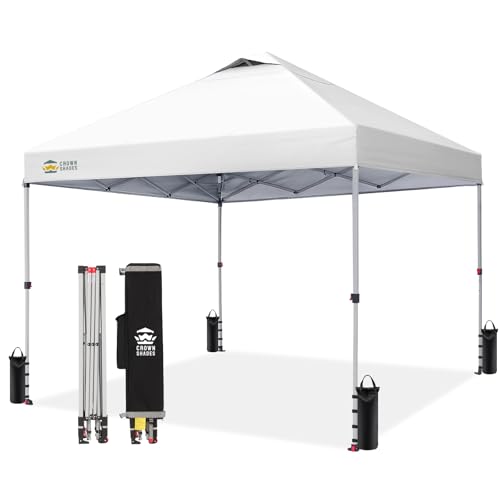
A crown shade canopy is a portable, freestanding shelter featuring a peaked or "crowned" roof design. The term "crown" refers to the raised center that helps water run off instead of pooling on top—a common problem with flat-roof pop-ups. These canopies typically consist of a powder-coated steel or aluminum frame, a UV-resistant fabric top (often 150D–300D polyester or oxford), and sometimes removable side walls.
While many people use the terms interchangeably, a crown shade canopy is distinct from a basic pop-up gazebo because the frame often includes reinforced trusses and a higher peak. It's also different from a permanent canvas wall tent, as it's designed for temporary, quick deployment. If you're searching for a versatile shade solution that works for camping, tailgating, or backyard events, a crown canopy is one of the most practical investments.
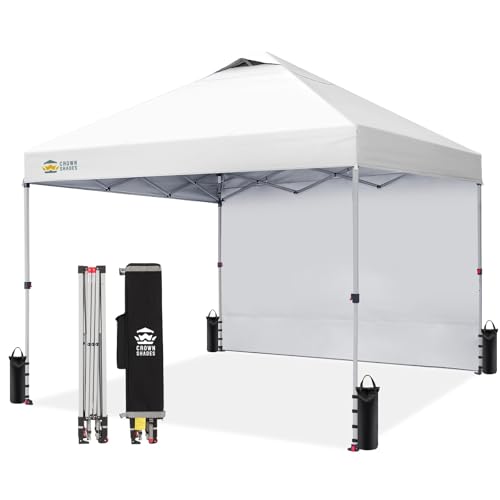
For campers who need extra privacy or wind protection, models that accept side walls or come with a canopy with walls are particularly valuable. The crowned roof also pairs well with accessories like tent rain fly additions for heavier downpours.
Key Features to Evaluate Before You Buy
Frame Material & Durability
Entry-level canopies often use thin steel tubing that can bend in moderate wind. Mid-range and premium models use thicker steel or aircraft-grade aluminum. Aluminum resists rust and is lighter, making it ideal for camping. Look for reinforced corners and truss supports.
Canopy Fabric & UV Protection
Most canopies use polyester or oxford fabric with a PU coating for water resistance. UPF 50+ ratings are common on high-end models. The denier (D) indicates thickness: 150D is lighter, 300D+ is heavier and more durable. A silver or white underside reflects heat better.
Peak Height & Coverage
A crown canopy's peak height affects airflow and headroom. Standard 10x10 canopies often have a peak around 9–10 feet, while larger 12x12 models can exceed 11 feet. Higher peaks improve ventilation but may catch more wind.
Anchoring & Wind Resistance
Never rely on the frame alone. Look for canopies with pre-attached guy lines, sturdy stakes, and weight bags. Some premium models include sandbags or ground anchors. For soft ground, metal tent stakes are essential; for hard surfaces, weighted bases are a must.
Entry-Level vs. Mid-Range vs. Premium Canopies
To help you make a smart decision without relying on fluctuating prices, here's a tier-based comparison. This classification focuses on build quality, materials, and intended use.
| Feature | Entry-Level | Mid-Range | Premium / Luxury |
|---|---|---|---|
| Frame Material | Thin steel, basic powder coat | Thicker steel or aluminum alloy | Heavy-duty aluminum or reinforced steel |
| Fabric Denier | 150D polyester, minimal UV coating | 210D–300D, UPF 50+ | 300D+ with silver coating, fully waterproof |
| Peak Design | Low peak, simple crown | Higher peak with reinforced center | Vented peak for airflow, reinforced stress points |
| Wind Resistance | Light breeze only, needs constant anchoring | Moderate wind with proper staking | High wind with guy lines and weight bags |
| Portability | Light, but bulky bag | Wheeled bag, moderate weight | Compact wheeled bag, sometimes backpack straps |
| Best For | Occasional backyard shade | Regular camping, tailgating | Frequent use, harsh conditions, professional events |
For campers who frequently face gusty conditions, a premium model with a reinforced frame and a vented crown is worth the investment. If you're mainly using it for sunny picnics, an entry-level canopy may suffice. Remember that a 12x12 canopy tent offers more shade but also more surface area for wind to catch—so tier matters even more as size increases.
How to Set Up a Crown Shade Canopy Correctly
Proper setup is the difference between a stable shelter and a kite. Follow these steps:
- Choose a level spot: Avoid slopes and low spots where water can pool. Clear debris, rocks, and sharp objects that could tear the fabric.
- Unfold the frame partially: With the canopy still on the ground, extend the legs outward until the frame is about halfway open. Do not force it.
- Attach the fabric top: Drape the canopy over the frame, ensuring the crown aligns with the center. Most canopies have velcro or snap attachments at the corners.
- Fully extend the legs: Lift the frame and push up the center hub until it locks. Then extend each leg to the desired height. You may need two people for larger canopies.
- Anchor immediately: Stake down each leg using the provided stakes. For hard surfaces, use weight bags. Add guy lines if wind is expected. A pop-up awning that isn't anchored is a hazard.
- Add walls if needed: If you have a canopy with walls, attach them now using the velcro or zipper system. This improves wind protection and privacy.
For campsites with concrete pads, consider a canopy that includes weight bags or sandbags. Some campers also use a pop-up garage for vehicle shelter, but for people, the crown shade canopy remains the most versatile.
Maintenance Tips for Longevity
A well-cared-for canopy can last many seasons. Here’s how to protect your investment:
- Dry before storing: Never pack away a wet canopy. Mold and mildew will degrade the fabric and cause odors. Set it up in the sun to dry completely.
- Clean gently: Use mild soap and water. Avoid harsh chemicals or abrasive brushes that strip the UV coating.
- Inspect the frame: Check for bent tubes, loose joints, or rust. Replace damaged parts before they fail during use.
- Store properly: Keep the canopy in its carry bag in a cool, dry place. Avoid stacking heavy items on top.
- Lubricate moving parts: A little silicone spray on the sliding joints can keep the frame operating smoothly.
If you're using your canopy for winter camping or cold-weather events, consider a model with a tent rain fly or a canopy with walls to block wind. For summer, a white or silver canopy reflects more heat than dark colors.
Frequently Asked Questions
What is a crown shade canopy?
A crown shade canopy is a portable shelter with a peaked roof design that improves water runoff and wind resistance. It's commonly used for camping, tailgating, and events.
Can a crown shade canopy withstand wind?
Wind resistance depends on the frame material and anchoring. Premium models with thicker frames and proper staking can handle stronger winds. Always use guy lines and weight bags, and never leave a canopy unattended in high winds.
What size crown shade canopy is best?
For solo campers, a 10x10 canopy is often sufficient. Families or group events typically benefit from 12x12 or larger. Consider the number of people and gear you need to shelter.
Are crown shade canopies waterproof?
Most canopies are water-resistant, but not fully waterproof. The roof material often has a polyurethane coating. For heavy rain, look for canopies with sealed seams or add a separate rain fly.
Can I use a crown shade canopy on a beach?
Yes, but sand anchoring requires special stakes or sandbags. A pop-up beach tent sun shade shelter may be a better choice for loose sand, as it's designed for that environment. If you use a canopy, bring long sand stakes and extra weight.
Ready to Choose Your Crown Shade Canopy?
Browse our curated selection of top-rated canopies, from budget-friendly to premium models. Find the perfect shade for your next adventure.
VIEW RECOMMENDED CANOPIES