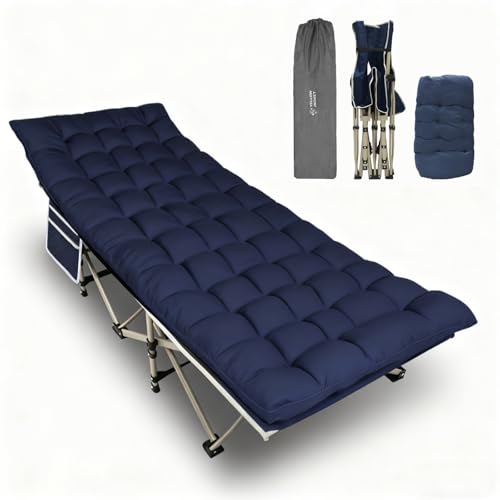
Foldable Cot Guide: Portable Sleeping Solutions for Camping
Discover how a foldable cot transforms your camping comfort. Learn about frame types, weight capacities, setup methods, and which portable sleeping solution fits your outdoor adventures.
START READINGWhy a Foldable Cot? A foldable cot lifts you off the ground, providing insulation, comfort, and protection from uneven terrain. Whether you are car camping, boondocking, or setting up a base camp, the right portable cot can mean the difference between a restless night and deep, restorative sleep under the stars.
What Is a Foldable Cot and Why Do Campers Love It?
A foldable cot—sometimes called a folding cot, portable camping cot, or camp bed—is a lightweight, collapsible sleeping platform designed to keep you elevated above the ground. Unlike air mattresses that can deflate or sleeping pads that offer minimal cushioning, a foldable cot provides a firm, stable surface that mimics the feel of a traditional bed. For campers who prioritize comfort, a folding cot is often the difference between tolerating the outdoors and truly enjoying them.
The appeal of a portable cot extends beyond mere comfort. By elevating you off the ground, a foldable cot protects against cold, moisture, uneven terrain, and crawling insects. It also simplifies your campsite setup: no need to clear rocks or roots before lying down. When paired with a sleeping bag rated for the temperature, a folding cot becomes a complete sleep system that rivals your bed at home.
Modern foldable cots have evolved significantly from the heavy, squeaky frames of decades past. Today's models use aircraft-grade aluminum, reinforced steel, and innovative locking mechanisms that prioritize stability without sacrificing portability. Whether you are a car camper who values space, a backpacker counting every ounce, or a family camper needing durable gear for kids, there is a foldable cot designed for your needs.
Types of Foldable Cots: Find Your Perfect Match
Not all folding cots are created equal. The best choice depends on your camping style, storage space, and how far you need to carry it. Here is a breakdown of the most common types:
Classic Folding Cot
The traditional design with a metal frame and fabric sleeping surface. These cots fold in half lengthwise and often include a carry bag. They are straightforward to set up and offer reliable comfort for car camping and state campgrounds.
Best for: Casual campers, camping with kids, and anyone who wants a no-fuss sleep solution.
Ultralight Backpacking Cot
Engineered with aluminum frames and minimal fabric, these cots prioritize low weight and compact packed size. They typically weigh under five pounds and fit into a camping backpack. Setup can be more involved, but the comfort-to-weight ratio is excellent.
Best for: Backpackers, wild campers, and solo adventurers who need to carry their shelter deep into the backcountry.
Lounge & Reclining Cot
These cots feature adjustable backrests, allowing you to sit up and read or relax by the campfire before converting to a flat sleeping surface. They are heavier than standard cots but offer unmatched versatility for car camping and RV camping.
Best for: Campers who want a chair and bed in one, especially those with back issues or who enjoy lounging outdoors.
Heavy-Duty Oversized Cot
Built with reinforced steel frames and high-denier fabrics, these cots support higher weight capacities and often feature wider sleeping surfaces. They are ideal for tall or larger campers and can withstand years of rugged use.
Best for: Tall campers, larger individuals, and those who prioritize durability above all else. Perfect for base camping and group camping trips.
Key Features to Consider Before Buying a Foldable Cot
When comparing foldable cots, focus on these critical factors to ensure you choose a model that meets your specific needs:
Weight Capacity and Frame Material
Every foldable cot has a weight limit, and exceeding it compromises safety and durability. Entry-level cots typically support around 250 pounds, while mid-range and premium models often handle 300 to 500 pounds or more. The frame material is the primary determinant of both weight capacity and overall cot weight. Steel frames are heavier but extremely durable, making them ideal for car camping. Aluminum frames are lighter and resist corrosion, making them the preferred choice for backpacking cots and other portable options.
Packed Size and Weight
If portability is a priority, pay close attention to the packed dimensions and weight. A foldable cot that packs down to the size of a small duffel bag is easier to store in a car trunk or truck shell. For backpacking, every pound matters—an ultralight cot may weigh as little as two to three pounds, while a heavy-duty model can exceed fifteen pounds. Always balance comfort against the physical demands of your trip.
Setup Mechanism
Foldable cots use various setup mechanisms, from simple snap-together frames to complex tension systems. Some cots feature a "no-assembly" design that unfolds like a lounge chair, while others require you to connect poles and stretch the fabric. If you frequently arrive at camp after dark or in rainy conditions, a cot with a fast, intuitive setup is worth prioritizing.
Comfort and Sleeping Surface
The fabric of your cot directly impacts comfort. Look for models with taut, breathable fabric that does not sag. Some premium cots include padded surfaces or can be paired with a sleeping pad for extra cushioning. If you are a side sleeper, consider a cot with a wider surface and a more rigid frame to prevent pressure points.
Additional Features
- Carry bag: Most foldable cots include a carry bag for storage and transport.
- Adjustable legs: Some cots offer adjustable leg heights to level out on uneven ground.
- Side pockets: Convenient for storing glasses, phones, or a flashlight.
- Locking mechanisms: Ensure the cot stays firmly in place during the night.
Foldable Cot Comparison at a Glance
| Cot Type | Best For | Portability | Comfort Level | Durability |
|---|---|---|---|---|
| Classic Folding Cot | Car camping, families | Moderate | Good | High |
| Ultralight Backpacking Cot | Backpacking, wild camping | Excellent | Fair to Good | Moderate |
| Lounge & Reclining Cot | Relaxed car camping, RV camping | Moderate | Excellent | High |
| Heavy-Duty Oversized Cot | Tall/larger campers, base camps | Low | Excellent | Very High |
How to Set Up and Use a Foldable Cot Like a Pro
Setting up a foldable cot is generally straightforward, but a few best practices can enhance your experience and extend the life of your gear:
Choose a Level, Clear Spot
Even though a cot elevates you off the ground, a level surface prevents the frame from twisting or sinking. Clear away rocks, sticks, and pinecones that could puncture the fabric or create uncomfortable pressure points. If you are camping on a slope, consider a cot with adjustable legs or place a thin tarp underneath for added protection.
Practice at Home First
Before your trip, set up your foldable cot at home. Familiarize yourself with the locking mechanisms and how the fabric stretches. This practice ensures you can set up camp efficiently, even in low light or bad weather. It also gives you a chance to check for any manufacturing defects before you are miles from civilization.
Pair with the Right Sleeping Gear
A cot alone is not a complete sleep system. For cooler temperatures, add a sleeping bag rated for the conditions and consider a sleeping pad for extra insulation and cushioning. In winter, a winter sleeping bag and an insulated pad are essential to prevent cold from seeping through the cot fabric. For warmer months, a lightweight camping blanket may suffice.
Protect Your Cot
Store your foldable cot in its carry bag when not in use, and avoid leaving it set up in direct sunlight for extended periods, as UV rays can degrade the fabric. Clean the frame with a damp cloth after trips to remove dirt and moisture, especially if you camped near saltwater or in rainy conditions.
Explore More Camping Comfort Solutions
Your foldable cot is just one piece of a comfortable campsite. Consider these related guides to complete your outdoor sleep setup:
- For a lightweight alternative to cots, explore collapsible hammocks and strap hammocks for tree-friendly hanging.
- If you prefer sleeping on the ground, learn about blow-up beds with built-in pumps and memory foam mattress toppers.
- For backpackers counting ounces, a backpacking cot offers a lightweight alternative to traditional folding cots.
- Compare your options with our guide to the most comfortable way to sleep in a tent.
- Planning a family trip? Our family camping checklist ensures you don't forget essential gear.
- For winter adventures, pair your cot with a heated tent or winter camping heater.
- If you are car camping, check out our car camping checklist and guide to truck shell camping.
Frequently Asked Questions About Foldable Cots
Are foldable cots comfortable for side sleepers?
Yes, many side sleepers find foldable cots comfortable, especially models with wider surfaces and taut fabric. However, if you are used to a plush mattress, consider adding a memory foam mattress topper for side sleepers to soften the surface. A cot with a firm, flat sleeping platform prevents the sagging that can cause hip and shoulder pain.
Can I use a foldable cot in a tent?
Absolutely. Many campers use foldable cots inside large tents, such as 6-person tents you can stand up in or 8-person instant cabin tents. Just ensure the tent floor is large enough to accommodate the cot dimensions and that the cot does not press against the tent walls, which can cause condensation or damage.
How much weight can a foldable cot hold?
Weight capacities vary widely. Entry-level cots typically support around 250 pounds, while mid-range and premium models can handle 300 to 500 pounds or more. Always check the manufacturer's specified weight limit and consider a heavy-duty cot if you are near or above the threshold. For larger campers, an oversized heavy-duty cot provides extra stability and space.
What is the difference between a folding cot and an air mattress?
A folding cot provides a firm, stable surface that does not deflate, while an air mattress offers adjustable firmness but requires inflation and risks punctures. Cots are generally better for insulation from cold ground and for campers who dislike the "bouncy" feel of air mattresses. For a detailed comparison, see our guide to tent vs hammock and other sleep systems.
Can I use a foldable cot for backpacking?
Traditional foldable cots are too heavy for backpacking, but ultralight backpacking cots are specifically designed for this purpose. These cots weigh under five pounds and pack down small enough to fit in a camping backpack. However, for the lightest possible setup, many backpackers prefer a collapsible hammock or a simple sleeping pad.
How do I clean and maintain my foldable cot?
After each trip, wipe down the frame with a damp cloth and mild soap, then dry thoroughly before storing. For fabric surfaces, use a soft brush to remove dirt and debris. Avoid machine washing unless the manufacturer explicitly allows it. Store your cot in a dry, cool place—never in a damp basement or garage where mold can develop. With proper care, a quality foldable cot can last for many seasons.
Final Thoughts: Sleep Better Under the Stars
A foldable cot is more than a camping accessory—it is an investment in better sleep, better recovery, and better outdoor experiences. By choosing the right cot for your camping style and pairing it with quality sleeping gear, you can wake up refreshed and ready to explore. Whether you are a first-time camper or a seasoned outdoor enthusiast, a portable cot simplifies your setup and elevates your comfort.
Remember to consider weight capacity, packed size, setup mechanism, and comfort features before making a purchase. And when you are ready to buy, check out our recommended foldable cot products below—carefully selected to suit a range of camping needs and budgets.