Canvas Truck Tent: The Ultimate Guide to Durable Truck Bed Camping
Discover why canvas truck tents outperform nylon in rugged conditions, how to choose the right model, and what to expect from this timeless camping shelter.
START EXPLORINGWhy Canvas? Canvas truck tents are the choice of serious overlanders and truck campers who prioritize durability, breathability, and four-season performance over lightweight convenience. This guide covers everything you need to know before investing in a canvas truck bed tent.
What Is a Canvas Truck Tent?
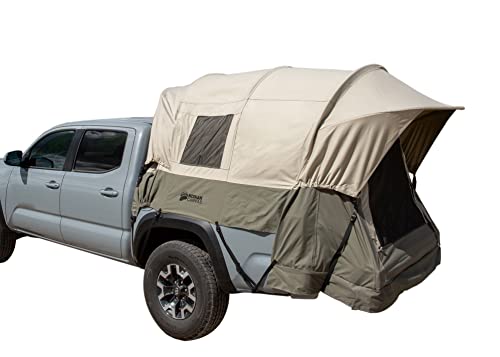
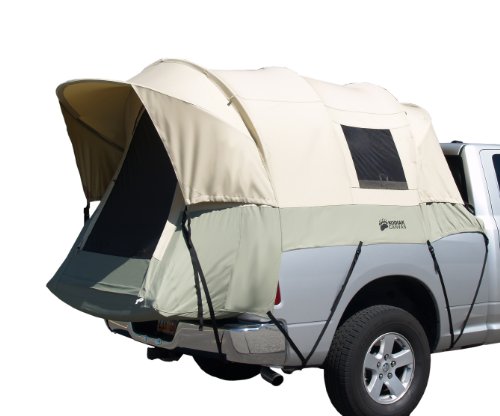
A canvas truck tent is a specialized camping shelter designed to mount directly onto the bed of a pickup truck, using the truck's cargo area as the primary sleeping space. Unlike nylon or polyester tents, canvas truck tents are made from heavy-duty cotton or cotton-poly blend fabrics that offer superior breathability, UV resistance, and structural integrity in harsh weather.
These tents are particularly popular among overland truck camper enthusiasts and truck camping families who want a secure, elevated sleeping platform that keeps them off the ground and away from moisture, insects, and uneven terrain. Many models integrate with existing truck bed accessories, and some can even be paired with a pickup truck camper shell for a complete mobile basecamp.
If you're still deciding between a canvas truck tent and a traditional ground tent, consider this: canvas breathes better, lasts longer under UV exposure, and handles snow loads more effectively. However, it is heavier and requires more careful packing. For those who want the ultimate in durability, canvas is often the best choice.
Key Benefits of Canvas Truck Tents
Choosing a canvas truck tent over a nylon alternative is a decision that pays off in specific scenarios. Here are the primary advantages:
- Exceptional Breathability: Canvas naturally regulates temperature and reduces condensation, which is critical for cold-weather camping. This makes it a favorite for winter camping and snow storm camping trips.
- Superior Durability: Heavy cotton canvas resists tearing, abrasion, and UV degradation far better than synthetic fabrics. A well-maintained canvas tent can last decades.
- Weather Resistance: When treated properly, canvas sheds rain effectively and can handle significant snow loads without sagging.
- Quieter in Wind: Canvas doesn't flap and crinkle like nylon, leading to a quieter, more restful sleep on windy nights.
- Better Insulation: The thicker fabric provides a natural insulating layer, helping retain warmth in cool conditions. Pair it with a propane camping heater or electric tent heater for extended season use.
- Aesthetic Appeal: Many campers prefer the classic, rugged look of canvas, which fits perfectly with the glamping bell tents and luxury camping tent aesthetic.
✅ Pros
- Outstanding breathability
- Very long lifespan
- Quiet in wind
- Excellent cold-weather performance
- Natural insulation
❌ Cons
- Heavier than nylon
- Requires dry storage
- Longer setup time
- Higher initial investment (premium tier)
- Can be bulky to pack
What to Look For in a Canvas Truck Tent
Not all canvas truck tents are created equal. When evaluating models, focus on these critical factors:
- Fabric Weight and Treatment: Look for 8–12 oz canvas. Higher weights are more durable but heavier. Ensure the canvas is treated for water repellency and mildew resistance.
- Frame System: Aluminum poles are lighter; steel poles are stronger. Consider a 4-season tent with stove jack if you plan to use a wood stove.
- Truck Bed Compatibility: Measure your truck bed carefully. Some tents fit specific bed lengths (5.5 ft, 6.5 ft, 8 ft). Models like the tents that go in the back of a pickup are tailored to common bed sizes.
- Ventilation: Look for multiple windows and roof vents to maximize airflow and reduce condensation.
- Access and Setup: Consider how you'll enter the tent (rear, side, or through the cab) and whether the setup process is manageable for one person.
- Quality Tier: Entry-level canvas tents may use thinner fabric and simpler frames. Mid-range models offer better weather sealing and features. Premium and luxury tiers provide the thickest canvas, best hardware, and often include extras like awnings or stove jacks.
For those who prefer a more permanent or luxurious setup, a slide-in truck camper for sale used or a cab over camper might be a better fit, but canvas truck tents offer a lighter, more flexible alternative.
Canvas vs. Nylon Truck Tents: A Detailed Comparison
Understanding the differences between canvas and nylon truck tents will help you make an informed decision based on your camping style.
| Feature | Canvas Truck Tent | Nylon Truck Tent |
|---|---|---|
| Breathability | Excellent | Moderate (requires vents) |
| Durability | Very High (decades) | Moderate (5–10 years) |
| Weight | Heavy | Lightweight |
| Weather Resistance | Excellent when treated | Good, but UV degrades faster |
| Cold Weather Performance | Superior insulation | Needs additional insulation |
| Setup Time | Longer | Faster |
| Noise in Wind | Quiet | Flaapy and noisy |
| Maintenance | Must be fully dry before storage | More forgiving |
If you frequently camp in wet, cold, or windy conditions, canvas is the clear winner. If you prioritize lightweight packing and quick setup, nylon may be preferable. For a broader comparison of shelter types, see our guide on tent vs hammock.
Setup and Maintenance Tips for Canvas Truck Tents
Proper setup and care will dramatically extend the life of your canvas truck tent.
- Seasoning the Canvas: Many new canvas tents need to be "seasoned" — set up and thoroughly soaked, then allowed to dry — to swell the fibers and seal the seams.
- Site Selection: Park on level ground. If you're on uneven terrain, use wheel chocks and consider a footprint of tent or a protective mat under the truck bed.
- Setup in Rain: Canvas can be set up in rain, but avoid excessive handling when wet to prevent stretching. See our guide on set up a tent in the rain for general principles.
- Drying Before Storage: Never store a canvas tent wet. Mildew can ruin the fabric. Always dry thoroughly in a shaded, well-ventilated area.
- Reproofing: Reapply water-repellent treatment every few years, especially if you notice water penetrating the fabric.
- Winter Care: In snowy conditions, brush off snow regularly to prevent excessive load. For extreme cold, consider a hot tent camping setup with a stove jack.
For more general tent care, see our article on how long do tents last.
Who Should Buy a Canvas Truck Tent?
A canvas truck tent is an excellent investment for:
- Overlanders and Off-Roaders: Who need a durable shelter that can handle rugged environments. Pair it with a roof top tent for full size truck if you prefer an elevated option.
- Cold-Weather Campers: Who camp in winter camping Colorado or similar climates and need breathability and insulation.
- Long-Term Travelers: Who want a tent that will last for many seasons without needing replacement.
- Families: Who want a spacious, comfortable basecamp. Some canvas models can accommodate 4 man pop up tent with living area configurations or larger.
- Glampers: Who appreciate the classic aesthetic and superior comfort of canvas. If you're into glamping, you might also explore yurts for glamping.
If you fall into any of these categories, a canvas truck tent is likely a worthwhile investment. If you're a fair-weather weekend camper who prioritizes low weight and quick setup, a nylon truck tent may be more appropriate.
Frequently Asked Questions
Are canvas truck tents waterproof?
Yes, when properly treated and seasoned, canvas truck tents are highly water-resistant. However, they can leak if not maintained. Regular reproofing is recommended.
How long does a canvas truck tent last?
With proper care, a high-quality canvas truck tent can last 15–30 years or more. This is significantly longer than most nylon tents.
Can I use a canvas truck tent in winter?
Absolutely. Canvas is actually superior for winter camping due to its breathability and insulation. You can even add a portable camping hiking hunting wood stove tent heater for extra warmth.
Is a canvas truck tent heavy?
Yes, canvas tents are heavier than nylon. A typical canvas truck tent may weigh 30–60 lbs, depending on size and features. This is generally not an issue since it stays on the truck.
Can I set up a canvas truck tent by myself?
Many models are designed for solo setup, but it can be more challenging than a nylon tent. Look for models with simple pole systems and clear instructions.
Do I need a special truck bed for a canvas tent?
Most canvas truck tents are designed to fit standard pickup beds. Measure your bed length and check compatibility before purchasing. Some models fit specific truck models like the camper f 150.
Explore More Truck Camping Resources:
DIY Truck Camper • Box Truck Campers • Flatbed RV Camper • Mini Trailer Camper • Mini Micro Camper • Pop Up Tent for Back of Pickup Truck • Tent for Back of Truck with Camper Shell • Tents for the Back of Pickup Trucks • Hard Shell Roof Top Tent for Truck • Roof Top Tent Mounted on Truck Bed