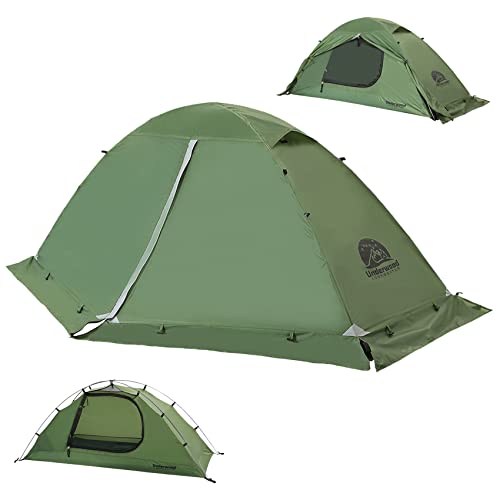
Snow Storm Camping: The Complete Guide to Winter Storm Survival
When the forecast turns severe, preparation becomes everything. Learn how to choose the right gear, build a secure camp, and stay safe when camping in a snow storm.
EXPLORE THE GUIDEWhy This Guide Matters: Snow storm camping is not for the unprepared. A sudden blizzard can drop temperatures dramatically, reduce visibility to zero, and turn a pleasant trip into a survival situation. This guide walks you through the essential gear, proven techniques, and critical safety knowledge you need before you head into a winter storm.
Understanding Snow Storm Camping
Camping in a snow storm is fundamentally different from ordinary winter camping. It demands a higher level of preparedness, gear that performs under extreme conditions, and the judgment to know when to stay put and when to retreat. A snow storm can arrive faster than forecasted, bringing high winds, heavy snowfall, and a rapid drop in temperature that tests both your equipment and your resolve.
The first step is understanding the specific threats: frostbite and hypothermia are the most immediate dangers, followed by disorientation, equipment failure, and avalanche risk in mountainous terrain. Wind chill is a silent enemy — it strips heat from your body far faster than still air. Your tent, your sleep system, and your clothing must all work together as a unified defense against the cold.
Before you even consider a snow storm camping trip, you should be comfortable with standard winter camping skills. If you are new to cold-weather camping, start with our winter camping safety guide and our winter camping gear guide before progressing to storm-specific techniques.
Essential Gear for Snow Storm Camping
Your gear is your lifeline. In a snow storm, there is no room for equipment that is "good enough" — it must be reliable, field-tested, and suited to the conditions you expect to face. Below is a breakdown of the core categories, with guidance on what to look for at each tier of the market.
Shelter: The Four-Season Tent
A standard three-season tent will not survive a serious snow storm. You need a four-season or mountaineering tent with a sturdy pole structure, a full-coverage rainfly, and reinforced guy-out points. Look for tents with a low profile and steep walls to shed snow effectively. A winter tents guide can help you compare designs, and if you are camping on snow, you will need to know how to set up a tent on snow using snow stakes or deadman anchors.
Basic Four-Season Tent
Offers adequate wind resistance and a full rainfly. Suitable for light snow and moderate winds but may struggle in true blizzard conditions. Best for campers who encounter occasional winter weather.
Reinforced Winter Tent
Stronger poles, more guy-out points, and better ventilation. Handles significant snow loading and high winds. A solid choice for regular winter campers who want reliability without the highest tier.
Expedition Mountaineering Tent
Engineered for extreme conditions with aerodynamic design, heavy-duty fabrics, and pole systems tested in high winds. The top choice for serious snow storm camping and expedition use.
Sleep System: Sleeping Bag and Pad
Your sleeping bag should be rated for temperatures at least 10–15 degrees below the lowest temperature you expect. Down is lighter and warmer for its weight, but synthetic insulation performs better if it gets damp. Pair your bag with an insulated sleeping pad — the ground will pull heat from your body faster than the air. Look for a pad with an R-value of 5 or higher for snow camping. Our sleeping bag temperature guide explains ratings in detail, and our winter sleeping bags page covers top options.
Heating and Insulation
A safe tent heater can make a significant difference in comfort and morale during a storm. Propane and electric models are available, but you must follow all safety guidelines — never use a stove or open flame inside a tent without proper ventilation. Explore winter camping heaters and our guide to how to stay warm in winter.
Clothing and Layering
Layering is your primary defense against the cold. Start with a moisture-wicking base layer, add an insulating mid-layer (fleece or down), and finish with a windproof and waterproof shell. Avoid cotton entirely — it holds moisture and loses insulation when wet. Our layering clothing system guide breaks down each layer in detail. For footwear, choose insulated, waterproof winter boots with good traction.
Safety and Survival in a Snow Storm
Safety is not a single action — it is a mindset and a set of habits. In a snow storm, your margin for error shrinks dramatically. The following protocols should be second nature before you attempt storm camping.
Before You Go: Planning and Preparation
- Check the forecast obsessively. Look at multiple sources and understand the uncertainty in the forecast. If a major storm is predicted, consider postponing.
- File a trip plan. Tell someone exactly where you are going, your route, and when you expect to return. Include a check-in schedule.
- Pack an emergency kit. A winter emergency kit should include extra insulation, a headlamp, batteries, high-energy food, a first-aid kit, and a means of making fire.
- Carry communication devices. Cell service is often unavailable in remote winter areas. A satellite communicator or personal locator beacon (PLB) can save your life.
- Know the signs of hypothermia and frostbite. Review our frostbite prevention guide and learn to recognize the early symptoms in yourself and others.
During the Storm: Decision-Making
When the storm hits, your priorities shift to shelter, warmth, and communication. If you are caught in the open, seek or build shelter immediately. A snow shelter can provide critical protection from wind and cold. If you are in your tent, reinforce it, clear snow accumulation regularly to prevent collapse, and stay dry. Do not attempt to travel in whiteout conditions unless absolutely necessary — it is easy to become disoriented and lost.
If you must move, use what to do if lost protocols and consider our emergency SOS signals guide. Always prioritize staying put and staying warm over risky navigation.
Emergency Communication
Reliable communication is non-negotiable. In addition to a satellite communicator, consider a two-way radio for group coordination and a camping communication device as a backup. Our emergency communication guide covers the full range of options.
Techniques for Snow Storm Camping
Experience and technique are what separate a miserable night from a manageable one. These skills should be practiced in calm conditions before you rely on them in a storm.
Snow Anchoring
Standard tent stakes will pull out of snow. Learn to use snow stakes, deadman anchors (burying objects as anchors), or snow-filled stuff sacks to secure your tent. Our tent setup on snow guide covers these methods.
Snow Melting for Water
Melting snow is your primary water source in winter. It requires a lot of fuel and patience. Our how to melt snow for water guide explains efficient techniques and safety considerations.
Campfire in Winter
A winter campfire provides warmth, morale, and a way to dry gear. However, it requires careful management in snow. See our winter campfire tips and always follow campfire safety rules.
Avalanche Awareness
If you are camping in mountainous terrain, avalanche risk is a serious concern. Our avalanche safety guide covers terrain assessment, gear, and decision-making.
Keeping Your Tent Warm
Keeping a tent warm in cold weather is a challenge. The tent itself does not generate heat — it traps your body heat and blocks wind. To maximize warmth, use a tent with a low profile, seal off drafts, insulate the floor with an extra pad or blanket, and consider a safe electric tent heater or propane camping heater with proper ventilation. Never use a stove inside a tent. For more, see our guide on keeping a tent warm in cold weather.
Gear Tiers for Snow Storm Camping
Use this table as a quick reference when evaluating gear. Remember that the tier you choose should match the severity of the conditions you expect and your experience level.
| Category | Entry-Level | Mid-Range | Premium |
|---|---|---|---|
| Tent | Basic four-season, adequate for light snow | Reinforced winter tent, handles moderate storms | Expedition mountaineering tent, extreme conditions |
| Sleeping Bag | Synthetic, rated for cold but bulky | Down or high-quality synthetic, good warmth-to-weight | Expedition down bag, extreme temperature rating |
| Sleeping Pad | R-value 4–5, basic insulation | R-value 5–6, comfortable and durable | R-value 7+, premium insulation and comfort |
| Heater | Basic catalytic heater, limited output | Propane or electric heater with safety features | High-output, thermostatically controlled heater |
| Communication | Basic two-way radio | Satellite messenger with SOS | Full satellite communicator with two-way messaging |
Frequently Asked Questions
What is the most important gear for snow storm camping?
A four-season tent, a sleeping bag rated for temperatures well below the expected low, an insulated sleeping pad with a high R-value, and a reliable heat source are critical. Layering clothing and carrying emergency communication devices are also essential.
How do you stay warm in a tent during a snow storm?
Use a four-season tent to block wind, insulate from the ground with a high R-value pad, use a sleeping bag rated for extreme cold, wear dry base layers, and consider a safe tent heater with proper ventilation. Never use a stove inside a tent.
Is it safe to camp in a snow storm?
It can be safe with proper preparation, but it carries significant risks. You need the right gear, avalanche awareness, knowledge of hypothermia and frostbite, and a robust emergency plan. Never attempt without experience and proper equipment.
What should I do if my tent collapses in a snow storm?
Stay calm and assess the situation. If the tent is compromised, put on your warmest layers and exit carefully. If conditions allow, repair or reinforce the tent. If not, use your emergency shelter or build a snow shelter. Prioritize warmth and communication.
Can I use a regular camping stove inside a tent during a storm?
No. Never use a camping stove inside a tent. Stoves produce carbon monoxide, a colorless and odorless gas that can be fatal. Always cook outside or in a well-ventilated area.
Ready to Gear Up for Your Winter Adventure?
Explore our recommended snow storm camping gear below, hand-picked to help you stay warm, safe, and prepared when the weather turns severe.
SEE RECOMMENDED GEAR