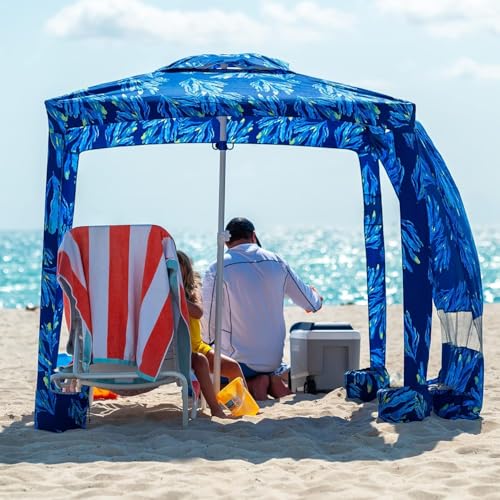
Top Rated Beach Canopy: The Ultimate Buyer's Guide
Finding the top rated beach canopy is about more than just grabbing the first pop-up shelter you see. It's about understanding the delicate balance between portability, wind resistance, and UV protection. Whether you're planning a relaxing family day at the shore or a week-long beach camping adventure, the right canopy can mean the difference between a sun-soaked disaster and a comfortable, shaded retreat. This guide will walk you through everything you need to know to make an informed decision.
Why the Right Beach Canopy Matters
A beach canopy isn't just a luxury; it's a piece of essential outdoor gear. The sun's reflection off the sand and water can be intense, leading to severe sunburns and heat exhaustion. A high-quality canopy provides a dedicated zone of protection. But the beach environment is uniquely challenging. Unlike a backyard or a state park campsite, you're dealing with loose sand, unpredictable gusts of wind, and the need to carry everything from your car to the shoreline. A poorly designed canopy will either blow away, collapse, or be so difficult to set up that you'll never want to use it again. The top rated models solve these specific problems through smart engineering.
Key Factors That Define a Top Rated Beach Canopy
Based on extensive research and user feedback, several critical factors separate the best from the rest. When you're comparing models, keep these points in mind.
1. Stability and Wind Resistance
Wind is the number one enemy of a beach canopy. A sudden gust can turn a lightweight pop-up into a kite. Top-tier canopies use a few key strategies to combat this:
- Reinforced Frames: Look for canopies with thicker gauge steel or fiberglass poles. Entry-level models often use thin, flexible poles that can bend or snap.
- Sandbags and Stakes: The best systems include multiple sandbags that you fill on-site, along with long, heavy-duty stakes. For more info on securing gear, see our guide on heavy-duty tent pegs.
- Vented Tops: A vented roof allows wind to pass through, reducing lift. This is a hallmark of a premium beach canopy design.
- Low Profile: Some of the most stable designs are the low-profile, dome-style canopies that sit closer to the ground.
2. Ease of Setup and Portability
You want to spend your time relaxing, not wrestling with poles. The "pop-up" or "instant" style is the most popular for this reason. However, even among pop-ups, there are differences. The easiest models use a pre-attached hub system that springs into place. When researching, consider the packed size and weight. If you have a long walk from the parking lot, a lightweight canopy that packs into a compact carry bag is invaluable. For comparison, you might look at the weight of a smallest pop-up canopy versus a larger 10x10 model.
3. UV Protection and Material Quality
The primary job of a canopy is to block the sun. The fabric's UPF (Ultraviolet Protection Factor) rating is crucial. A top rated beach canopy should offer at least UPF 50+ protection, which blocks 98% of UV rays. The material itself matters too. Cheaper canopies use thin, non-woven fabrics that degrade quickly. Better models use durable, coated polyester or nylon that resists tearing and fading. For a deeper dive into materials, you might find our article on nylon vs. polyester helpful, as the principles are similar.
4. Size and Coverage
Canopy sizes are typically measured in feet (e.g., 8x8, 10x10). A 10x10 canopy offers 100 square feet of shade, which is ample for a small family or a group of friends with chairs and a cooler. An 8x8 is a good choice for couples or small groups. Some canopies feature a canopy tent with sidewalls, which adds extra protection from low-angle sun and wind, effectively turning it into a temporary beach cabana.
Key Takeaways for Researching
- Priority #1: Wind resistance. Look for vented tops and a robust anchoring system.
- Priority #2: UV Protection. A minimum of UPF 50+ is non-negotiable for a beach environment.
- Priority #3: Setup. Instant pop-up mechanisms save time and frustration.
- Priority #4: Size. Balance coverage needs against portability.
Comparing Beach Canopy Styles: A Quick Guide
Not all beach canopies are the same. Here’s a breakdown of the most common types you'll encounter.
| Canopy Type | Best For | Stability | Portability | Setup Ease |
|---|---|---|---|---|
| Pop-Up Canopy | Families, day trips | Good (with proper anchoring) | Moderate (can be bulky) | Excellent |
| Dome / Sun Shelter | Couples, windy beaches | Excellent | Excellent | Very Good |
| Canopy with Walls | Extended stays, privacy | Very Good | Moderate | Good |
| Wind-Powered Shade | Minimalists, extreme wind | Excellent (in wind) | Excellent | Fair (requires wind) |
As the table shows, the ideal choice depends on your specific needs. A wind-powered beach shade is a niche but brilliant solution for very windy locations, while a traditional pop-up is the most versatile for general use.
Making Your Final Decision
When you're ready to choose, focus on the features that align with your typical beach outing. If you have a large family and a short walk to the sand, a spacious 10x10 pop-up with sandbags is a top contender. If you're a couple who loves to hike to a secluded spot, a lightweight dome shelter might be the top rated beach canopy for your needs.
Don't overlook the importance of a good anchoring system. The included stakes are often inadequate for loose sand. Investing in a set of heavy-duty tent pegs or extra sandbags is a smart move. Also, consider the setup surface. While most canopies are designed for sand, some are versatile enough for other terrains. If you ever plan to use it on a hard surface, look for a model that is designed to be a tent that can be set up on concrete, which requires a different anchoring approach.
Finally, always check the manufacturer's instructions and practice setting up your canopy at home before you hit the beach. This ensures a smooth, stress-free experience when you arrive. For more general tips on preparation, see our first-time camping tips.
Frequently Asked Questions
Generally, low-profile dome shelters and wind-powered shades are the most wind-resistant. Among traditional pop-up canopies, models with a vented top and a robust sandbag anchoring system perform best. The key is to minimize the surface area that catches the wind and to anchor it securely.
Often, yes. Premium and high-end models typically use stronger materials, better UV-resistant coatings, and more durable frame components. This translates to better wind resistance, easier setup, and a longer lifespan. A mid-range canopy is usually the sweet spot for occasional beachgoers, while a premium model is a worthwhile investment for frequent users.
The most effective method is to use sandbags. Fill the provided sandbags (or sturdy bags you bring) with sand and attach them to the canopy legs. Bury them deep. Additionally, use long, wide stakes (like auger-style stakes) that are designed for sand. Angle them away from the canopy at a 45-degree angle for maximum holding power.
You can, but it's not ideal. Standard camping canopies are often not designed for the wind and sun intensity of a beach. They may lack proper UV protection and their stakes are usually too short for sand. If you do use one, be prepared to reinforce the anchoring with sandbags and ensure it has a good UPF rating.