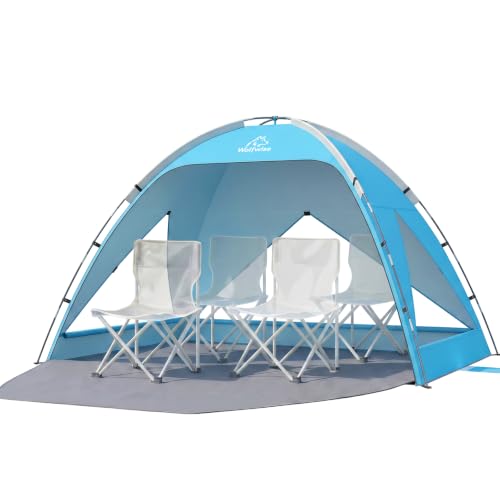
Canopy Shade for Beach: The Ultimate Guide to Choosing the Best Sun Shelter
Protect your family from harsh UV rays and enjoy a cool, comfortable day at the shore with the right beach canopy. Learn how to choose, set up, and maintain the perfect sun shade for your seaside adventures.
START READINGA day at the beach is one of life's simple pleasures — until the sun becomes unbearable. A quality canopy shade for beach transforms your seaside outing from a sweaty endurance test into a relaxing retreat. Whether you're a parent chasing toddlers, a couple seeking a romantic spot, or a solo adventurer wanting to read in peace, the right beach shelter makes all the difference. This comprehensive guide walks you through everything you need to know before choosing your ideal sun shade.
Why a Beach Canopy Is Essential Gear
Unlike a traditional beach umbrella, a dedicated canopy shade for beach provides 360-degree protection, holds up better against coastal winds, and often includes features like sand pockets, UV-blocking fabric, and privacy walls. The American Academy of Dermatology recommends seeking shade during peak sun hours, and a well-designed beach tent does exactly that without forcing you to retreat indoors. If you're new to beach camping, understanding beach camping fundamentals will help you get the most from your shelter choice.
Modern beach canopies have evolved far beyond the flimsy pop-up tents of the past. Today's models feature advanced materials, reinforced poles, and clever designs that pack down small enough to fit in a beach bag yet stand firm against ocean breezes. For those who combine beach trips with overnight stays, a durable canopy pairs perfectly with the essentials covered in our guide to setting up a tent on the beach.
Types of Canopy Shade for Beach
Choosing the right type depends on your priorities: portability, sun coverage, wind resistance, or privacy. Here's a breakdown of the most common styles you'll encounter.
| Type | Best For | Setup Ease | Wind Resistance | Portability |
|---|---|---|---|---|
| Pop-Up Beach Tent | Quick shade for small groups | Excellent (seconds) | Moderate | Excellent |
| Canopy with Poles | Larger families, all-day use | Moderate | Good (with sandbags) | Good |
| Beach Umbrella | Couples, solo users | Excellent | Poor in wind | Excellent |
| Sun Shelter with Walls | Privacy, changing, babies | Moderate | Good | Moderate |
| Canopy Pop-Up (Large) | Groups, base camp setup | Good | Good (when staked) | Moderate |
For maximum convenience, a canopy pop-up remains the most popular choice among casual beachgoers. If you need something more substantial for extended trips or family gatherings, a heavy-duty pop-up canopy with sides offers superior protection and durability. And for those who want a dedicated beach-specific design, a pop-up beach tent sun shade shelter balances portability with performance.
Key Features to Evaluate Before Buying
1. UV Protection Rating
Look for fabrics rated UPF 50+ — the highest protection available. This blocks 98% of harmful UVA and UVB rays. Cheaper canopies often skimp on this, leaving you vulnerable even in the shade. A quality pop-up beach tent that fits in a suitcase will always list its UPF rating clearly.
2. Wind Resistance and Anchoring
Coastal breezes can turn a lightweight canopy into a kite. The best beach shades include sand pockets, stakes, and guylines. Fill sand pockets immediately upon setup — don't wait for the wind to pick up. For extremely windy destinations, consider a 10 x 10 canopy tent with sides that can be fully secured and weighted down.
3. Setup Mechanism
Pop-up designs excel for quick deployment, but they can be tricky to fold back down until you practice. Pole-based canopies take longer but offer more stability. If ease of use is your top priority, read our comparison of the easiest 1-person tent to set up for insights that apply to solo canopy setup too.
4. Size and Coverage
Measure your group. A 4-person canopy typically provides about 8x8 feet of shade. For families, a 10x10 model is the sweet spot. Larger groups should consider a 10 x 20 pop-up canopy tent or even a 12 x 12 pop-up canopy tent for expansive coverage.
5. Portability and Weight
If you're parking far from the sand, weight matters. Ultralight options exist, but they trade durability for grams. A mid-range canopy usually offers the best balance. For backpackers who occasionally beach camp, the principles in our ultralight tents guide translate well to choosing a portable beach shelter.
6. Ventilation and Airflow
Beach heat combined with poor airflow creates a greenhouse effect. Look for canopies with mesh panels, roll-up windows, or open sides. This is especially important if you plan to nap inside. Pairing good ventilation with a camping fan can keep the interior comfortable even on scorching days.
Pros and Cons of Popular Beach Canopy Styles
✅ Pop-Up Beach Tents
- Sets up in seconds — ideal for impatient kids
- Lightweight and compact when folded
- Often includes sand pockets and stakes
- Good UV protection in quality models
- Budget-friendly to mid-range options abound
❌ Pop-Up Beach Tents
- Can be frustrating to fold back down initially
- Less stable in strong winds than pole canopies
- Limited interior height in smaller models
- Durability varies widely by brand
- Not ideal for very large groups
✅ Pole-Based Canopies
- Superior stability in coastal winds
- Larger coverage options available
- Often height-adjustable
- Can be used for camping beyond the beach
- More durable over multiple seasons
❌ Pole-Based Canopies
- Longer setup and takedown time
- Heavier and bulkier to transport
- Requires more space in the car
- Can be overkill for quick trips
- Higher upfront investment for quality models
How to Set Up Your Beach Canopy for Maximum Stability
Proper setup is the difference between a relaxing shade oasis and a collapsed mess. Follow these steps for a secure installation every time:
- Choose your spot wisely. Set up above the tide line and away from foot traffic. Check the wind direction — position the lowest side against the wind.
- Assemble on land, not in the water. Pop up or assemble your canopy on solid ground before dragging it to your final spot.
- Fill sand pockets immediately. Don't wait. Fill them as soon as the canopy is upright, before adding poles or extending the canopy.
- Use stakes at a 45-degree angle. Drive stakes away from the canopy, not straight down. This increases holding power in loose sand.
- Add guylines for extra security. If your canopy includes guylines, use them. Attach them to sandbags or buried anchors.
- Test stability before relaxing. Give the canopy a gentle shake. If it wobbles, reinforce before you settle in.
For a deeper dive into beach-specific tent setup, including how to handle soft sand and shifting winds, see our detailed guide to setting up a tent on the beach. If rain threatens, the techniques in our article on setting up a tent in the rain will help you stay dry.
Maintenance and Care Tips for Longevity
A quality beach canopy is an investment. Protect it with these simple habits:
- Rinse after every beach trip. Salt and sand degrade fabric and zippers. A quick freshwater rinse extends life significantly.
- Dry completely before storing. Mildew is the enemy of coated fabrics. Set it up in your yard or garage to dry fully.
- Store loosely folded. Sharp creases weaken fabric over time. Stuff rather than fold tightly if possible.
- Check poles and stakes regularly. Replace bent or rusted components before they fail at the beach.
- Use a ground sheet. Placing a tarp or mat underneath reduces abrasion from sand and shells.
If you're also using camping chairs and other furniture inside your canopy, the care principles in our comfortable collapsible chair guide apply equally — salt air affects everything.
Matching the Canopy to Your Beach Style
For Families with Young Children
Prioritize full UV protection, easy setup, and enough space for a pack-and-play or nap mat. A model with walls offers privacy for diaper changes and breastfeeding. The pop-up beach tent sun shade shelter is a popular choice for this scenario. Pair it with a kindergarten nap mat for comfortable toddler rests.
For Couples and Solo Beachgoers
Portability and quick setup matter most. A compact pop-up or a high-quality beach umbrella suffices. If you want to read or nap, look for models with mesh ventilation. For overnight beach camping, combine your canopy with the gear discussed in our weekend camping trip guide.
For Groups and Extended Stays
Go large and sturdy. A 10 x 20 easy pop-up canopy party tent provides ample shade for gatherings. Add side walls for wind protection and privacy. If you're combining beach time with other outdoor activities, the heavy-duty camping chair with canopy offers personal shade for those who prefer to roam.
Common Mistakes to Avoid
- Underestimating the wind. Even a gentle breeze can flip an unanchored canopy. Always use sandbags and stakes.
- Buying based on size alone. A huge canopy that's impossible to set up alone becomes a burden. Match size to your realistic needs.
- Ignoring UPF ratings. Not all shade is equal. Cheap fabrics may block light but not UV rays.
- Forgetting about airflow. A fully enclosed canopy with no ventilation becomes an oven. Prioritize breathable designs.
- Skipping the practice run. Set up your canopy at home before your beach trip. Learn the folding sequence without an audience.
Frequently Asked Questions
Final Thoughts
A quality canopy shade for beach is more than a luxury — it's a practical investment in comfort, safety, and enjoyment. Prioritize UV protection, wind resistance, and ease of setup above all else. Whether you choose a compact pop-up for solo trips or a heavy-duty canopy with walls for family gatherings, the right shelter transforms your beach day from a sun-soaked struggle into a shaded sanctuary. Do your research, practice your setup, and enjoy the shore with confidence.
Planning an overnight beach adventure? Don't miss our comprehensive beach camping guide for tips on tides, sand anchoring, and overnight safety.