Canopy Pop Up: The Ultimate Guide to Instant Shelter
Discover how a pop up canopy can transform your outdoor experience. From beach days to campsite gatherings, learn what to look for before you buy.
VIEW TOP PICKSWhy a Pop Up Canopy? Unlike traditional tents that require complex assembly, a canopy pop up deploys in seconds. It provides instant shade, rain protection, and a dedicated space for relaxation or socializing. Whether you are planning a weekend camping trip or a day at the beach, an instant canopy is one of the most versatile outdoor investments you can make.
What Exactly Is a Pop Up Canopy?
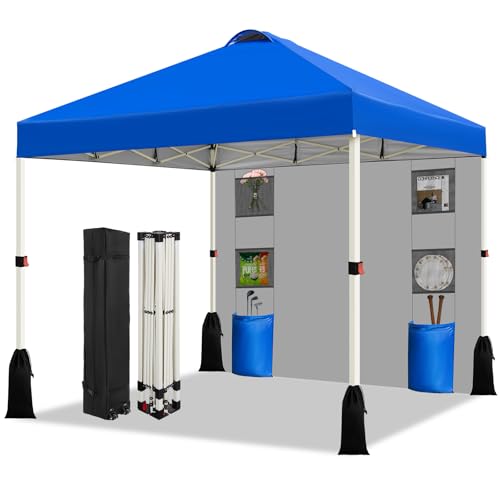
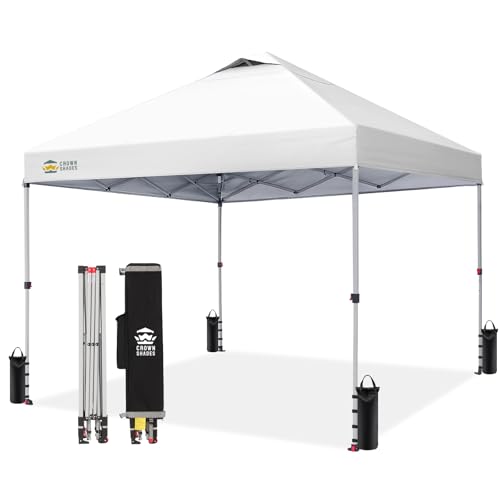
A canopy pop up (also called an instant canopy or pop up tent) is a freestanding shelter with a pre-assembled frame. The legs and roof are connected, so you simply lift the center and extend the legs. Most models use a scissor-like mechanism that locks into place. This design makes them ideal for situations where speed matters, such as arriving at a campsite before a sudden rain shower or setting up shade at a busy beach.
While some campers prefer the packability of an ultralight tent for backpacking, a pop up canopy shines for car camping, tailgating, and family gatherings. If you are still deciding between shelter types, our guide on tent vs hammock can help clarify your priorities. However, for sheer convenience and group-friendly space, nothing beats a canopy pop up.
Key Features to Evaluate Before Buying
Frame Material & Durability
Steel frames are common in entry-level and mid-range models, offering stability but adding weight. Aluminum frames are lighter and resist rust, making them a premium choice for frequent travelers. Look for reinforced joints and powder-coated finishes to extend lifespan.
Canopy Fabric & Weather Resistance
Most canopies use polyester or Oxford cloth. Higher-tier models feature PU coating for waterproofing and UV inhibitors to block harmful rays. A canopy with a silver-coated underside can reduce heat buildup significantly, keeping the space cooler on hot days.
Setup Mechanism & Ease of Use
The best canopy pop up models feature a central hub or one-push button system. Budget-friendly options may require more manual effort to lock legs. If you often camp solo, look for canopies advertised as "one-person setup."
Size & Coverage Area
Canopies range from compact 6x6 feet to expansive 10x20 feet. A 10x10 canopy is the most popular size for general use, providing enough shade for a small group. Larger sizes are ideal for events but require more storage space and may need two people to handle.
Sidewalls & Accessories
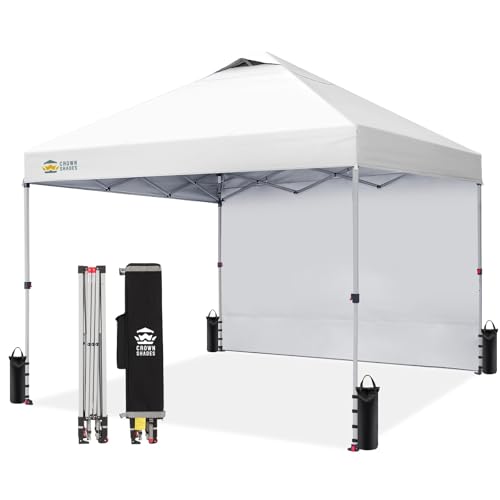
Many canopies offer optional sidewalls, which attach via hooks or velcro. These are essential for privacy, wind protection, or creating a darker sleeping area. Some models include a wheeled carry bag, stakes, and guy lines as standard.
Weight & Portability
Entry-level steel canopies can weigh over 30 pounds, while premium aluminum models may be under 20 pounds. Consider how far you need to carry the canopy from your vehicle. For beach trips, a lighter model with a backpack-style bag is a huge advantage.
Understanding Quality Tiers
To help you navigate the market without focusing on fluctuating prices, we use universal quality descriptors. This approach keeps our guide relevant for years.
- Entry-Level / Budget-Friendly: These canopies prioritize affordability. They often use lighter-gauge steel, basic polyester fabric without extensive UV treatment, and a straightforward push-up mechanism. Ideal for occasional use, such as a few backyard events or one camping trip per season. They may lack reinforced stress points.
- Mid-Range / Mid-Tier: A step up in materials and construction. You will find thicker steel or early-generation aluminum frames, better fabric with PU coating, and smoother locking mechanisms. These canopies often include a wheeled bag and basic sidewall compatibility. They represent the best balance of durability and portability for regular campers.
- Premium / High-End: These models use aircraft-grade aluminum or heavy-duty steel, ripstop fabrics with superior UV and water resistance, and precision-engineered hubs. They often feature tool-free height adjustment, reinforced trusses, and comprehensive accessory ecosystems (sidewalls, weights, lighting hooks). Designed for frequent use and harsh conditions.
- Luxury / Top-Tier: The pinnacle of canopy design. These may include integrated LED lighting, reflective heat barriers, and modular panel systems. They are engineered for professional event use or extreme weather camping. The frame may have a lifetime warranty, and the fabric may be fire-retardant and mold-resistant.
Pros and Cons of Pop Up Canopies
Advantages
- Sets up in under 60 seconds in most cases
- Provides instant shade and rain protection
- Freestanding; no need for complex guying in calm conditions
- Versatile for camping, beach, tailgating, and markets
- Many models offer sidewalls for privacy and wind blocking
- Can be used as a standalone shelter or alongside a tent
Limitations
- Heavier and bulkier than backpacking tents
- Less stable in high winds unless properly anchored
- Entry-level models may leak or fade over time
- Not designed for extreme weather or snow loads
- Storage can be an issue for larger sizes
- Replacement parts may be hard to find for generic brands
Best Use Cases for a Canopy Pop Up
A canopy pop up is more than a camping accessory. Here are the most common scenarios where it excels:
- Camping: Use it as a dining area, kitchen shelter, or social hub. Pair it with a camping sofa or comfortable collapsible chair to create a cozy lounge. For beach camping, a canopy is almost essential for sun protection. If you are camping in a tent, you can set up the canopy over your tent for extra rain protection and shade, a technique often used in camping in a tent in the rain.
- Beach Days: A pop up canopy provides a dedicated shaded zone for family members. Look for models with sand anchors or weight bags. For a dedicated beach shelter, consider a canopy shade for beach designed specifically for sandy environments.
- Tailgating & Events: The instant setup makes canopies perfect for parking lot parties. You can add sidewalls for branding or privacy. If you need a larger footprint, a 10x10 canopy tent with sides is a classic choice.
- Backyard & Garden: Use it as a temporary shade for kids' play areas or outdoor dining. It is also a great way to protect plants from harsh sun.
- Emergency & Utility: A canopy can serve as a temporary shelter for outdoor projects, car repairs, or even a makeshift privacy room when combined with sidewalls.
Setup and Maintenance Tips
Choose a Level Spot
Setting up on uneven ground can stress the frame and make the canopy unstable. Look for a flat area and clear away sharp rocks or debris that could puncture the fabric or damage the feet.
Anchor Properly
Even a gentle breeze can lift a canopy. Always use the included stakes. For sand or loose soil, use sandbags or weight plates. In windy conditions, guy lines are essential. Never leave a canopy unattended in wind.
Practice Before Your Trip
Set up your canopy at home at least once. Familiarize yourself with the locking mechanism. This prevents frustration at the campsite and ensures you know how to fold it back correctly.
Clean and Store Dry
After use, wipe down the fabric with a damp cloth and mild soap. Allow it to dry completely before folding. Storing a damp canopy promotes mold and mildew, which can ruin the fabric and create odors.
Frequently Asked Questions
Can a pop up canopy be used in rain?
Yes, most canopies are water-resistant, and higher-tier models are fully waterproof. However, avoid using them in heavy storms or high winds. Always check the weather forecast and secure the canopy with stakes and guy lines. If rain is persistent, consider a canopy with sidewalls to block wind-driven rain.
How do I prevent my canopy from blowing away?
Use the provided stakes on grass or soil. For sand, use sandbags or specialized sand anchors. In windy conditions, attach guy lines to secure points. Never leave a canopy unattended in gusty conditions. Some campers also use heavy-duty weights on the feet.
What size canopy is best for camping?
A 10x10 canopy is the most versatile size for camping. It provides enough shade for a picnic table and a few chairs. If you have a large family or group, a 10x20 canopy offers more coverage but requires more storage space and may need two people to set up.
Can I use a pop up canopy for winter camping?
Pop up canopies are not designed for snow loads. However, you can use them as a windbreak or a covered area for cooking if the weather is cold but not snowy. For true winter camping, invest in a winter tent or a hot tent camping setup. If you are camping in cold weather, ensure you have a winter camping gear checklist to stay safe.
Are expensive canopies worth it?
If you use your canopy frequently or in harsh conditions, a premium model is a worthwhile investment. Higher-tier canopies offer better materials, smoother setup, and greater durability. For occasional use, a mid-range or entry-level canopy may suffice. Read our guide on are expensive tents worth it for a similar analysis on tents.
Ready to find the perfect canopy pop up for your next adventure?
SEE OUR TOP RECOMMENDATIONS