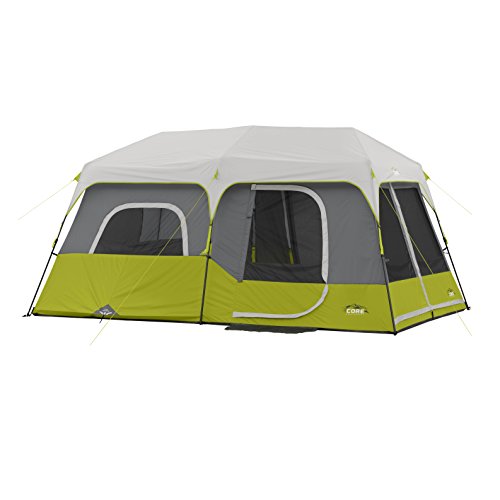
Cabine Tent Guide: The Complete Buyer's Handbook
Everything you need to know about cabine tents — the spacious, stand-up shelters that transform family camping into a comfortable outdoor home away from home.
Quick Overview: A cabine tent (cabin tent) is a camping shelter defined by its near-vertical walls and flat or gently peaked roofline. Unlike dome tents that slope inward, cabin tents maximize livable interior volume — you can stand upright, walk around, and even place furniture inside. They are the go-to choice for families, car campers, and anyone who values comfort over ultralight portability.
What Exactly Is a Cabine Tent?
The term cabine tent — often written simply as "cabin tent" — describes a tent style whose walls rise almost vertically from the base to the ceiling. This architectural difference may sound minor, but it fundamentally changes how the interior feels. In a traditional dome tent, the sloped walls cut usable space dramatically; headroom exists only at the very center. A cabin tent, by contrast, gives you headroom across nearly the entire floor area.
That generous interior volume is why cabine tents have become a favorite for weekend camping trips where comfort matters more than pack weight. Most models offer center heights between six and seven feet, letting most adults stand fully upright. Many designs also incorporate room dividers, screen porches, and multiple doors to create distinct living zones inside a single shelter.
If you are still weighing whether a spacious cabin design fits your needs versus a more technical shelter, it helps to understand how to choose tent size based on your group and gear. A cabin tent shines brightest when you need space to move, sleep, and store equipment without feeling cramped.
Cabin Tent vs. Dome Tent: The Core Difference
The fundamental trade-off is space versus weight. A dome tent uses crossing poles and sloped walls to shed wind efficiently and pack down small — ideal for backpacking. A cabine tent prioritizes interior volume, often at the cost of added bulk and weight. For car campers and families, that trade is usually worth it. For those who hike miles to a campsite, a lighter shelter such as those discussed in our ultralight tents guide will serve better.
| Feature | Cabine Tent | Dome Tent |
|---|---|---|
| Wall design | Near-vertical | Sloped/curved |
| Headroom | Full standing height across floor | Center peak only |
| Interior volume | Maximum for footprint | Limited by wall slope |
| Weight & pack size | Heavier, bulkier | Lighter, compact |
| Best for | Car camping, families, base camps | Backpacking, fast setup |
| Wind resistance | Moderate (needs good staking) | Excellent (aerodynamic) |
Why Choose a Cabin Tent?
Understanding the practical benefits of a cabine tent helps you decide whether this style matches your camping habits. Here are the most compelling advantages that draw campers toward cabin designs.
1. You Can Stand and Move Freely
After a long day on the trail or at the lake, being able to stand up, stretch, and change clothes without crouching is a genuine quality-of-life upgrade. This is especially valuable for taller campers, older adults, and anyone managing a common camping injury or recovering from strain.
2. Room for Real Furniture
Cabin tents accommodate actual camping furniture — cots, chairs, and tables. If you want the comfort of a proper camping chair inside your shelter during a rainy afternoon, a cabin tent makes that possible. Pair it with a double camping cot and you have a genuine bedroom setup.
3. Perfect for Families and Groups
Multi-room cabin tents let you create separate sleeping areas for parents and kids, or divide the space into sleeping and living zones. This is why first-time camping tips guides consistently recommend cabin tents for families venturing out together.
4. Excellent Base Camp Shelter
For car camping, a cabine tent becomes your base camp home — a place to store gear, cook under cover (in the screened porch), and retreat when weather turns. If you are planning a weekend camping trip, a cabin tent gives you a comfortable headquarters.
✓ Advantages
- Full standing height
- Maximum interior volume
- Room dividers and multi-room options
- Accommodates cots and furniture
- Great for families and groups
- Screen porches add living space
✗ Trade-offs
- Heavier and bulkier to transport
- Longer setup time (unless instant-style)
- Less wind-resistant than domes
- Not suitable for backpacking
- Larger footprint requires bigger campsite
Types of Cabine Tents
Cabin tents come in several configurations, each suited to different camping styles. Recognizing these categories helps you narrow your search quickly.
Instant Cabin Tents
Instant cabin tents feature pre-attached poles that unfold with the frame, allowing setup in under two minutes. They sacrifice some packed size for enormous convenience. If you want a quick pitch, models like the 4-person cabin camping tent with instant setup demonstrate how fast these shelters deploy. Larger families can look at the 6-person instant cabin tent with built-in LED lights for evening convenience.
Cabin Tents with Screen Rooms
A screen room or screen porch adds a bug-free outdoor living area attached to the main tent. This is one of the most popular cabin tent features, effectively doubling your usable space. The 6-person cabin camping tent with enclosed weatherproof screen room is a strong example, as is the larger 10-person instant cabin tent with screen room.
Multi-Room Cabin Tents
Room dividers transform a single large space into separate sleeping compartments. This is invaluable for families with children or groups wanting privacy. Consider the 12-person 3-room instant cabin tent with screen room for large groups, or the 11-person instant cabin tent with private room for a balance of size and privacy.
Cabin Tents with LED Lighting
Integrated LED lighting has become a hallmark of modern cabin tents. Built-in lights eliminate the need to hang lanterns and provide even illumination. The 8-person instant cabin tent with built-in LED lights and the 8-person tent with LED lights and Bluetooth show how far these features have come.
How to Choose the Right Cabine Tent
Selecting the ideal cabin tent comes down to matching capacity, features, and weather protection to your actual camping habits. Here is a structured approach.
Step 1: Determine Capacity
Tent capacity ratings assume minimal gear and tightly packed sleeping bags. A practical rule: subtract two from the stated number for comfortable sleeping with luggage. A 6-person cabin tent realistically sleeps 4 adults comfortably. For a family of four, an 8-person instant hexagon tent with built-in LED lights provides generous breathing room.
| Campers | Recommended Tent Size | Example Configuration |
|---|---|---|
| 2 adults | 4-person cabin tent | 4-person instant cabin |
| 3–4 adults | 6-person cabin tent | 6-person instant cabin with awning |
| 4–6 adults | 8-person cabin tent | 8-person instant cabin with LED |
| 6–8 adults | 10-person cabin tent | 10-person instant cabin with awning |
| 8+ adults / large group | 12-person cabin tent | 12-person basecamp tent with LED |
Step 2: Decide on Setup Style
Instant tents prioritize speed; traditional pole-assembly tents prioritize pack size and often weather resistance. If you camp frequently and want minimal hassle, an instant model such as the 10-person instant cabin tent with LED lights pays off. If you prefer a more robust traditional frame, explore the broader range in our cabin camping guide.
Step 3: Assess Weather Resistance
Look for tents with a waterproof rainfly, taped seams, and a bathtub-style floor. Cabin tents, because of their vertical walls, can catch wind more than domes, so quality stakes matter — consider upgrading to metal tent stakes for secure anchoring. If you camp in cold conditions, review our winter tents guide and winter camping gear recommendations.
Step 4: Consider Added Features
Modern cabin tents offer a range of conveniences: electrical ports, room dividers, screen porches, and integrated lighting. Decide which features genuinely improve your trips. A screen porch, for instance, is transformative for warm-weather camping, while a stove jack matters only for cold-weather hot tenting.
Step 5: Match Quality Tier to Usage
Entry-level cabin tents suit occasional summer camping. Mid-range models add better materials, more features, and improved weather sealing. Premium and luxury cabin tents offer heavier fabrics, reinforced frames, and refined details for frequent or demanding use. Choose the tier that matches how often and how hard you camp — not simply the highest tier available.
Cabine Tent Setup Tips
Even the most spacious cabin tent performs best when pitched correctly. These setup practices apply to virtually every model.
- Choose level ground: Cabin tents have large footprints; a level, debris-free site prevents pooling and discomfort. On platforms or beaches, follow specific techniques for setting up a tent on a platform or setting up a tent on the beach.
- Stake out the corners first: Anchor the four corners before raising the frame to keep the footprint square.
- Use guy lines in wind: Vertical walls catch gusts; secure all guy lines and use quality stakes.
- Manage rain: If rain threatens during setup, learn how to set up a tent in the rain to keep the interior dry.
- Practice once at home: A dry-run pitch at home reveals missing parts and builds confidence before your trip.
For those who want a shelter that goes up with minimal effort, an easiest tent to set up and take down comparison can help identify the fastest options. Many campers also appreciate models where tents that can be erected by one person remove the need for a helper.
Cabine Tent Care and Maintenance
A well-maintained cabin tent lasts many seasons. Proper care also protects your investment and keeps the shelter performing in bad weather.
- Dry before storing: Never pack a damp tent; moisture breeds mildew that damages fabric coatings.
- Clean gently: Use mild soap and water; avoid harsh detergents that strip waterproofing.
- Re-waterproof periodically: Apply seam sealer and fabric treatment as the factory coating wears.
- Store loosely: Keep the tent in a cool, dry place — not compressed for long periods.
- Inspect poles and stakes: Replace bent poles or damaged stakes before they fail in the field.
Understanding how long tents last helps you decide when maintenance is worth it versus replacement. If you are evaluating whether a more expensive shelter justifies its cost, our analysis of whether expensive tents are worth it offers useful perspective. And if budget is a priority, consider tents that go in the back of a pickup for specialized vehicle-based options.
Cabine Tents for Specific Camping Scenarios
Cabin tents adapt to many camping styles. Matching the tent to your scenario ensures the best experience.
Family Camping
Multi-room cabin tents with dividers keep parents and children comfortable. A 6-person straight wall cabin tent with screen room offers a classic family layout, while a 10-person instant cabin tent with awning provides shade and shelter for larger families.
Car Camping
Cabin tents and car camping are a natural pair. The vehicle carries the bulk, so weight is not a concern. Many campers set up a pop-up canopy alongside the tent to extend the living area. For those exploring vehicle-based travel, our van life guide and coverage of used campers offer additional options.
Cold-Weather and Winter Camping
Standard cabin tents are three-season shelters. For winter use, a four-season cabin tent with a stove jack is essential. Our hot tent camping guide explains how to safely use a wood stove inside a tent. Pair a winter cabin tent with proper insulation: review winter sleeping bags and how to stay warm in winter. Waterproof boots from our winter boots guide complete the setup.
Group and Base Camp Camping
For groups, a large cabin tent becomes a communal hub. The 20-person tent with private rooms and front porch illustrates how far capacity can extend. For organized camps, the 12-person 3-room L-shaped instant cabin tent provides flexible division of space.
Common Mistakes to Avoid with Cabin Tents
Even experienced campers make avoidable errors with cabin tents. Steering clear of these pitfalls saves frustration and protects your gear.
- Buying capacity too small: Always size up. A "6-person" tent is comfortable for 4 with gear.
- Ignoring wind exposure: Cabin tents have tall profiles; avoid fully exposed ridge-top sites.
- Skipping the footprint: A ground tarp protects the tent floor from abrasion and moisture.
- Packing wet: Mildew is the most common cause of tent failure — always dry thoroughly.
- Overlooking ventilation: Condensation builds in sealed tents; use vents and mesh panels wisely.
- Forgetting stakes: Upgrade to metal tent stakes for cabin tents, which present more wind surface area.
Frequently Asked Questions About Cabine Tents
A cabine tent (commonly called a cabin tent) is a camping tent with near-vertical walls and a flat or gently peaked roof. This design maximizes interior space, allowing campers to stand upright and move around comfortably. Cabin tents are ideal for families, car campers, and anyone prioritizing comfort and livable space over ultralight packability.
Cabin tents range from 4-person models to massive 20-person configurations. A practical rule is to subtract two from the stated capacity for comfortable sleeping with gear. For example, a 6-person cabin tent comfortably sleeps 4 adults with luggage, while an 8-person cabin tent comfortably sleeps 6. Always size up if you have cots, chairs, or significant gear.
Most standard cabin tents are three-season shelters, not designed for heavy snow loads or extreme cold. For winter camping, look for four-season cabin tents with reinforced poles, heavier fabrics, and stove jacks. Pair them with insulated sleeping bags, proper layering, and a reliable heat source. See our winter camping guide and winter camping gear guide for details.
Traditional pole-assembly cabin tents take roughly 10–20 minutes to pitch, depending on size and experience. Instant cabin tents with pre-attached poles can be ready in under two minutes, making them excellent for quick weekend trips or late arrivals. Practice at home to learn your specific tent's setup sequence.
Yes. The defining feature of a cabin tent is its near-vertical walls and generous center height, often between 6 and 7 feet. Most adults can stand fully upright inside, which is a major advantage over dome tents where headroom exists only at the center peak. This stand-up height makes changing clothes, cooking, and moving around far more comfortable.
Quality cabin tents with a full-coverage rainfly and taped seams handle rain well. Wind is the bigger challenge — vertical walls catch gusts more than aerodynamic domes. Always use all guy lines, stake out securely (upgrade to metal stakes if needed), and avoid exposed sites. During setup in rain, follow techniques for setting up a tent in the rain to keep the interior dry.
Ready to Find Your Perfect Cabine Tent?
Browse our curated selection of cabin tents below, hand-picked for space, durability, and comfort.
View Recommended Cabin Tents ↓Final Thoughts on Cabine Tents
A cabine tent transforms camping from a cramped necessity into a genuinely comfortable outdoor experience. The ability to stand, move, and organize your space changes how you camp — especially on multi-day trips and family adventures. While cabin tents are not the right choice for backpackers or ultralight purists, they are unmatched for car camping, family trips, and base camp setups.
When choosing, prioritize capacity, weather protection, and setup style. Size up for comfort, invest in a quality rainfly and stakes, and choose between instant and traditional setups based on your patience and camping frequency. With the right cabine tent, your campsite becomes a true home away from home.