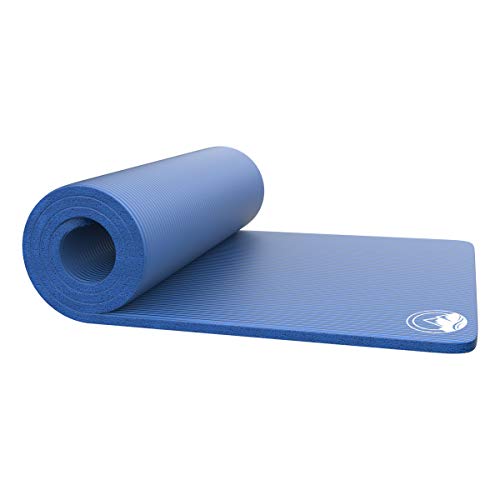
Foam Camping Pad: The Ultimate Guide to Lightweight Comfort
Discover why a foam camping pad is a reliable, durable, and lightweight choice for backpackers, campers, and emergency preparedness. Learn how to choose the right one for your needs.
Explore Top PicksWhy Trust This Guide? We've analyzed the core principles of foam pad design, from closed-cell to open-cell construction, to help you understand the trade-offs between comfort, warmth, and packability. This guide is designed to give you the knowledge to make an informed decision.
What is a Foam Camping Pad and Why Do You Need One?
A foam camping pad is a fundamental piece of sleep gear that serves two critical purposes: providing insulation from the cold ground and offering a layer of comfort over uneven terrain. Unlike air mattresses that can puncture or leak, a foam pad is inherently reliable. It has no moving parts to fail, making it a favorite among minimalist backpackers, scout troops, and anyone who values dependability in the outdoors.
For those who are new to camping, the array of options can be overwhelming. You might have seen inflatable pads or even considered a car camping mattress, but a foam pad occupies a unique space. It is the no-nonsense, bombproof solution that will never leave you sleeping on the cold, hard ground. If you're still exploring sleeping systems, our guide to the most comfortable way to sleep in a tent can provide broader context.
Closed-Cell vs. Open-Cell Foam Pads: Understanding the Difference
The world of foam pads is primarily divided into two categories, each with distinct characteristics. Understanding this difference is the key to choosing the right pad for your adventure.
Closed-Cell Foam Pads
- Construction: Dense foam with sealed, gas-filled bubbles.
- Durability: Extremely rugged and puncture-proof.
- Weight: Very lightweight for the insulation provided.
- Packability: Rolls up but takes up more space; cannot be compressed.
- Comfort: Firm; provides basic cushioning.
- Best For: Backpacking, mountaineering, emergency kits.
- Drawback: Less comfortable than other options for side sleepers.
Open-Cell Foam Pads
- Construction: Less dense foam with open, interconnected cells.
- Durability: More susceptible to tearing and absorbing water.
- Weight: Can be lightweight but bulkier.
- Packability: More compressible than closed-cell, but still bulky.
- Comfort: Plush and soft; often self-inflating when combined with air.
- Best For: Car camping, base camps, casual trips.
- Drawback: Can absorb moisture and lose insulation value if wet.
Many self-inflating pads use open-cell foam as their core. This combines the comfort of foam with the adjustability of air. When choosing, consider where you'll be camping. If you're heading into wet environments, a closed-cell pad is a safer bet. For a deep dive into different sleeping setups, you might compare a foam pad to a double sleeping pad for couples camping.
Key Features to Evaluate in a Foam Camping Pad
When comparing models, look beyond the label. These are the metrics that truly matter:
1. R-Value: The Measure of Warmth
The R-value indicates a pad's ability to resist heat loss. The higher the number, the warmer you'll be. For three-season camping, an R-value of 2.0 to 3.9 is generally sufficient. For winter camping, you'll want an R-value of 4.0 or higher. A closed-cell foam pad typically has an R-value around 1.5 to 2.0, while thicker, open-cell or self-inflating pads can range from 3.0 to 6.0+. If you plan to camp in cold weather, you might need to combine a foam pad with a winter sleeping bag or a warmest sleeping bag to stay comfortable.
2. Thickness and Comfort
Thickness directly impacts comfort. A 1/4-inch closed-cell pad is great for weight savings but offers minimal cushioning. A 1.5-inch or 2-inch open-cell or self-inflating pad provides much more comfort. Side sleepers often need a thicker pad (2.5 inches or more) to prevent their hips from bottoming out. If you're looking for a plusher sleep experience, you might also consider a memory foam mattress topper for side sleepers to use on top of your pad.
3. Weight and Packability
For backpackers, every ounce counts. Closed-cell pads are the champions here, often weighing under a pound. However, they don't compress, so they must be strapped to the outside of your pack. Open-cell and self-inflating pads are bulkier but can be rolled tighter. If you're a backpacker, pairing a lightweight foam pad with a backpacking trip checklist will help you streamline your gear.
4. Durability and Materials
Closed-cell pads are virtually indestructible. You can use them as a seat around camp, a knee pad for repairs, or even a makeshift splint in an emergency. Open-cell pads are more delicate and should be kept away from sharp objects and moisture. For a more durable sleep system, some campers opt for sleeping cots for adults, which are heavier but keep you off the ground entirely.
Foam Pad Comparison at a Glance
| Feature | Closed-Cell Foam Pad | Open-Cell Foam Pad | Self-Inflating Pad |
|---|---|---|---|
| Durability | Excellent | Fair | Good |
| Comfort | Firm | Plush | Adjustable |
| Weight | Ultralight | Lightweight | Moderate |
| Packability | Bulky | Compressible | Compressible |
| Warmth (R-Value) | Low to Moderate | Moderate to High | Moderate to High |
| Best Use Case | Backpacking, Emergency | Car Camping, Base Camp | All-Around Camping |
| Water Resistance | Excellent | Poor | Good |
Choosing the Right Foam Pad for Your Adventure
Your ideal pad depends entirely on your planned activity.
- For Backpacking: Prioritize a closed-cell foam pad. It's lightweight, indestructible, and can be strapped to the outside of your pack. It's the ultimate "set it and forget it" gear.
- For Car Camping: Comfort is king. An open-cell or self-inflating pad will give you a much better night's sleep. You can also bring along a camping gear store's worth of other comforts since you're not carrying the weight.
- For Winter Camping: You need a high R-value. Consider a closed-cell pad as a base layer to protect your inflatable pad from the cold ground and punctures. Our guide to winter camping gear has more tips on staying warm.
- For Kids: A simple closed-cell foam pad is perfect for kids. It's durable, easy to clean, and won't pop. You can also look into children's sleep mats which are sized just for them.
- For Emergency Kits: A closed-cell foam pad is an essential item for any emergency preparedness kit, providing insulation and comfort if you need to shelter in place. Learn more in our emergency preparedness camping guide.
Frequently Asked Questions About Foam Camping Pads
Yes, closed-cell foam pads can be easily cut with a sharp knife or scissors to customize the length or width. This is a common practice for ultralight backpackers who want to shave off a few ounces. Open-cell and self-inflating pads cannot be cut without damaging their structure.
For closed-cell pads, simply wipe them down with a damp cloth and mild soap. Avoid harsh chemicals. For open-cell or self-inflating pads, use a damp cloth to spot clean. Never submerge a self-inflating pad in water, as it can damage the internal foam and valves. Always allow the pad to dry completely before storing.
It depends on your priorities. A foam pad is more durable, reliable, and lighter. An air mattress (like a blow-up bed with built-in pump) is generally more comfortable and packable but can puncture and leak. Many campers use a foam pad as a base layer under an air mattress or car camping mattress for the best of both worlds: insulation, protection, and comfort.
For general three-season camping (spring, summer, fall), an R-value between 2.0 and 3.9 is ideal. If you plan to camp in winter or shoulder seasons, look for an R-value of 4.0 or higher. You can also layer a closed-cell pad (R-value ~2.0) with an inflatable pad to boost warmth significantly.
Yes, a foam pad is a great addition to a camping cot. It adds warmth, prevents the cold air from circulating underneath you, and provides a softer sleeping surface. It's a common setup for those who use sleeping cots for adults.
Ready to Upgrade Your Sleep System?
Explore our recommended foam camping pads and find the perfect balance of comfort, warmth, and durability for your next trip.
View Recommended Foam Pads