
Beach Canopy Tent: The Ultimate Guide to Sun and Wind Protection
Everything you need to know before buying a beach canopy tent. Compare styles, learn setup techniques, and create a comfortable basecamp on the sand.
START YOUR RESEARCHWhy a Beach Canopy Tent Matters: A day at the beach can quickly turn uncomfortable without proper shade. A quality beach canopy tent protects you from harsh UV rays, provides a windbreak, and gives you a dedicated space to relax, change, or store gear. This guide will help you choose the right shelter for your needs.
What Is a Beach Canopy Tent and Why Do You Need One?
A beach canopy tent is a portable, freestanding shelter designed specifically for use on sandy shores. Unlike traditional camping tents, these structures prioritize ventilation, UV protection, and ease of setup in soft ground. They come in various forms, from simple pop-up sun shades to elaborate canopy tents with side walls that offer full enclosure.
The primary benefit is sun protection. Prolonged exposure to direct sunlight can lead to sunburn, heat exhaustion, and long-term skin damage. A beach canopy tent with UPF 50+ rating blocks over 98% of harmful UV rays, creating a safe haven for children, pets, and adults alike. Furthermore, these tents provide a windbreak, keeping sand from blowing into your food and faces, and offer privacy for changing clothes or nursing.
For those who enjoy beach camping, a canopy tent can serve as a daytime shelter or even an overnight option in calm conditions. If you're planning to camp on the sand, it's wise to review our guide on setting up a tent on the beach for additional stability tips.
Types of Beach Canopy Tents: Find Your Perfect Shade
Not all beach shelters are created equal. Understanding the different styles will help you narrow down your options based on your typical beach activities and group size.
1. Pop-Up Beach Tents
These are the most convenient options for quick shade. They use a flexible fiberglass or steel frame that springs into shape when unfolded. Pop-up models are lightweight and often come with a carrying bag. They are ideal for solo beachgoers or couples who want a hassle-free setup. However, they can be tricky to fold back down initially. For a highly portable option, consider a pop-up beach tent that fits in a suitcase, perfect for travel.
2. Canopy Tents with Sides
If you need more enclosure, a canopy tent with sides offers additional privacy and wind protection. These often resemble a standard pop-up canopy but include detachable walls. They are excellent for families with young children who need a nap space or for those who want to escape the sun completely. Some models, like the 10 x 10 canopy tent with sides, provide ample room for a small group.
3. Sun Shade Shelters
These are minimalist structures, often using a single pole or a curved frame to stretch a piece of fabric. They are extremely lightweight and offer basic sun protection without full enclosure. They are best for those who prioritize portability and don't need a fully enclosed space.
4. Beach Tents for Camping
Some beach canopy tents are designed for overnight use. These are typically sturdier, with bathtub floors and full rainflys. If you're considering an overnight stay, look for models that can handle wind and provide adequate ventilation. You might also want to explore camping tents that are specifically rated for beach conditions.
Key Features to Consider Before Buying
When comparing beach canopy tents, focus on these critical features to ensure you get the best value for your needs.
| Feature | Why It Matters | What to Look For |
|---|---|---|
| UV Protection | Protects skin from harmful rays. | UPF 50+ rating; tightly woven fabric. |
| Wind Resistance | Prevents the tent from blowing away. | Sandbags, stakes, and sturdy frame; guy lines. |
| Ease of Setup | Saves time and frustration. | Pop-up mechanism or color-coded poles; clear instructions. |
| Ventilation | Reduces heat buildup inside. | Mesh windows, roof vents, and open designs. |
| Portability | Easy to carry from car to beach. | Lightweight; includes carry bag; compact when folded. |
| Size & Capacity | Accommodates your group comfortably. | Check floor dimensions and peak height; consider 2-person vs. family sizes. |
| Durability | Withstands sun, salt, and sand. | Corrosion-resistant poles; ripstop fabric; reinforced seams. |
For those who want a hassle-free experience, a pop-up beach tent sun shade shelter is a popular choice for land and sea. If you need a larger shelter for family gatherings, a 10x10 pop up tent or a 10 x 20 pop up canopy tent can provide ample shade.
How to Choose the Right Size for Your Group
Size is a crucial factor. A tent that's too small will feel cramped, while one that's too large may be difficult to transport and set up.
- Solo or Couple: A 2-person pop-up tent or a small sun shade is sufficient. Look for models that are easy to carry alone.
- Small Family (2-4 people): A 4-person beach tent or a 10x10 canopy tent offers enough room for seating and gear. Consider a model with a floor if you have toddlers.
- Large Family or Group (5+ people): You'll need a larger canopy, such as a 10x20 pop-up canopy or a 12 x 12 pop up canopy tent. These provide a spacious shaded area but require more effort to anchor.
Remember to account for coolers, beach chairs, and toys. A good rule of thumb is to allow at least 10 square feet per person for comfortable seating.
Setup Tips: How to Anchor Your Beach Canopy Tent
Wind is the enemy of any beach shelter. Even a gentle breeze can turn an unsecured canopy into a kite. Follow these steps for a stable setup:
- Choose a Spot: Look for a relatively flat area, away from the water's edge and not directly under trees (which can drop sap or branches).
- Use Sandbags or Stakes: Most beach tents come with sandbags or stakes. Fill sandbags with sand and bury them deep. For stakes, angle them away from the tent at a 45-degree angle. For soft sand, use auger-style stakes or sand screws.
- Utilize Guy Lines: Attach guy lines to the tent's loops and secure them to nearby objects or additional sandbags. This adds stability in gusty conditions.
- Orient with the Wind: If possible, position the lowest side of the tent facing the wind. This reduces lift.
- Weigh Down the Base: Place heavy items like coolers or backpacks inside the tent, especially in corners, to prevent it from shifting.
If you're new to setting up shelters on sand, our guide on setting up a tent on the beach provides more detailed techniques. For those who prefer a more permanent structure, you might also be interested in camping tents you can stand up in for added comfort.
Can You Use a Beach Canopy Tent for Overnight Camping?
While beach canopy tents are primarily designed for day use, some models can be used for overnight camping in mild conditions. However, there are important considerations:
- Weather: Beach canopy tents are not typically designed for heavy rain or strong winds. If you're planning an overnight trip, check the forecast and be prepared to evacuate if conditions worsen.
- Ventilation: Overnight, condensation can build up. Choose a tent with ample mesh panels for airflow.
- Privacy: If you're camping in a public area, a tent with solid side walls (like a canopy tent with sides) offers more privacy.
- Comfort: You'll need a comfortable sleeping pad or air mattress. Consider a camping air bed for added comfort.
For serious beach camping, a dedicated beach canopy tent that is rated for overnight use is a better choice. You can also explore general camping tents that are suitable for sandy environments.
Maintenance and Care for Longevity
To ensure your beach canopy tent lasts for many seasons, follow these simple care tips:
- Clean After Each Use: Rinse the tent with fresh water to remove salt and sand. Salt can corrode metal poles and weaken fabric over time.
- Dry Thoroughly: Never store a damp tent. Mildew can grow quickly and damage the fabric. Set it up in a shaded area to dry completely before packing.
- Check for Damage: Inspect poles, seams, and fabric for wear and tear. Repair small tears with a patch kit immediately.
- Store Properly: Store in a cool, dry place. Avoid compressing the tent too tightly for long periods, as this can damage the frame.
For more general tent care advice, see our article on how long do tents last.
Frequently Asked Questions About Beach Canopy Tents
Recommended Beach Canopy Tents & Sun Shelters
⚠️ AFFILIATE DISCLOSURE: This website contains affiliate links. As an Amazon Associate, we earn from qualifying purchases. If you make a purchase through these links, we may receive a small commission at no additional cost to you. Read our full affiliate policy.

Vinabilia 10x10 Pop Up Canopy Tent with One-Push Center Lock,White | 3 Adjustable Heights, Carry Bag Included, Tents for Camping, Backyard, Beach, Parties and Outdoor Events

Beach Canopy Tent Shade with Sidewalls 10x10FT, 6.6FT Tall, UPF50+ Sun Shelter, Windproof & Water Resistant, Includes Guylines Sand Shovel Stability Poles, Easy Up for Beach Outdoor Camping Backyard
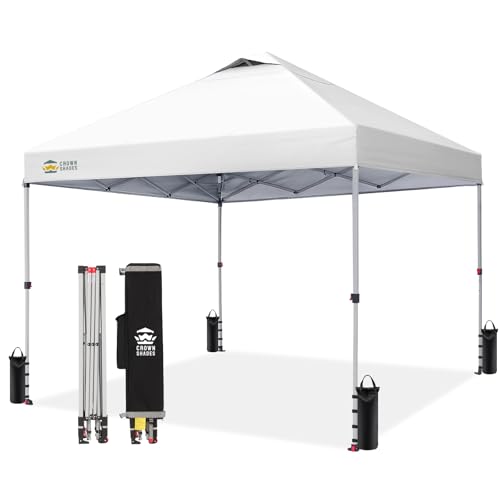
CROWN SHADES 10x10 Pop Up Canopy Tent with One Push Setup, Grid White | Patented CenterLok, Easy Outdoor Sun Shade for Events, Parties, Camping - Gazebo with STO-N-Go Cover Bag, Silver-Coated Top

SUN NINJA Beach Tent Sun Shelter, Beach Shade Canopy with UPF50+ Protection | Beach Canopy Tent Sun Shade, Cabana Includes Carry Bag, Sand Shovel, Ground Pegs, 4 Poles & Anchor Bags, 10ftX10ft Royal Blue

YENGIAM 11x11 FT Beach Canopy Beach Tent Sun Shelter Beach Shade Canopy | Easy to Setup Extra Windproof Rope 4 Stability Poles UPF50+ for Family Outdoor
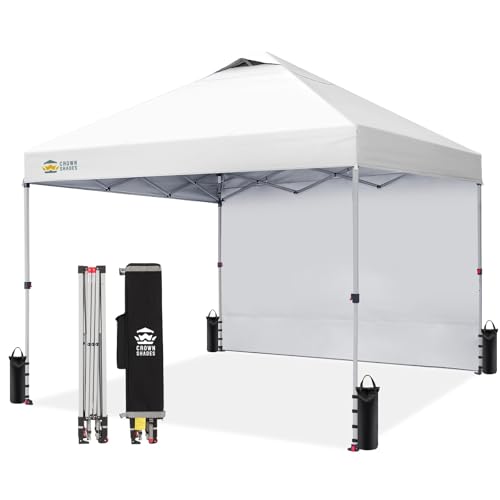
CROWN SHADES 10x10 Pop Up Canopy with 1 Side Wall, Beach Canopy Tent, White | One Push Setup Shelter, Outdoor Gazebo & Sun Shade for Events, Parties, Camping, 150D Silver-Coated Fabric, STO-N-Go Bag
Disclaimer
Outdoor activities involve inherent risks. The information provided on CampLifeEssentials is for educational purposes only. We are not responsible for any injuries, losses, or damages resulting from the use of this information. Some content may use AI assistance. Always practice Leave No Trace principles and verify local regulations before camping. If you do not agree, please do not use this website. Read the full disclaimer.