
Trailer Hitch for Travel Trailer: The Complete Safe Towing Guide
Master the art of safe towing. Understand hitch classes, weight distribution, sway control, and how to choose the perfect hitch for your travel trailer adventure.
START YOUR RESEARCHWhy Your Hitch Matters More Than You Think: Your trailer hitch is the critical link between your vehicle and your travel trailer. A properly matched hitch system ensures stability, improves braking performance, and dramatically reduces the risk of sway and accidents. This guide breaks down everything you need to know before you tow.
Understanding Trailer Hitches: The Foundation of Safe Towing
When you're preparing to tow a travel trailer, the hitch system is arguably the most important safety component you'll select. It's not just about connecting your vehicle to your trailer — it's about maintaining control, stability, and peace of mind on every journey. Whether you're a first-time trailer owner or upgrading your current setup, understanding the nuances of trailer hitches will help you make an informed decision.
A trailer hitch for a travel trailer consists of several key components: the receiver hitch mounted to your vehicle, the ball mount or weight distribution head, the hitch ball itself, and often additional sway control or weight distribution features. Each component plays a specific role in ensuring your towing experience is safe and comfortable.
Key Insight: Many trailer owners focus on the trailer itself but overlook the hitch. This is a critical mistake. An improperly matched hitch can lead to trailer sway, reduced braking efficiency, and even catastrophic accidents. Investing time in understanding hitch types and ratings is essential for every travel trailer owner.
If you're still exploring travel trailer options, our guides on slide-in campers for pickup trucks and tents for the back of pickup trucks can help you understand different towing setups before committing.
Trailer Hitch Classes Explained
Trailer hitches are classified into five standard classes based on their towing capacity and the type of vehicles they're designed for. Understanding these classes is the first step in selecting the right hitch for your travel trailer.
| Hitch Class | Typical Towing Capacity | Best For | Common Vehicle Types |
|---|---|---|---|
| Class I | Light-duty | Small utility trailers, bike racks | Sedans, small hatchbacks |
| Class II | Medium-duty | Small pop-up campers, light boats | Minivans, small SUVs |
| Class III | Heavy-duty | Travel trailers, larger boats | Full-size SUVs, light trucks |
| Class IV | Extra heavy-duty | Large travel trailers, toy haulers | Heavy-duty trucks, large SUVs |
| Class V | Maximum heavy-duty | Fifth-wheel trailers, commercial towing | Commercial trucks, heavy-duty pickups |
For most travel trailer owners, Class III or Class IV hitches are the standard choice. These classes provide the towing capacity needed for typical travel trailer weights while offering robust construction and compatibility with weight distribution systems.
When selecting a hitch class, always err on the side of caution. Choose a hitch with a towing capacity that exceeds your trailer's gross vehicle weight rating (GVWR). This margin of safety is crucial for handling emergency maneuvers and steep grades. For those considering smaller, lighter camper options, our article on campers under 1500 lbs explores lightweight alternatives that may only require Class I or II hitches.
Weight Distribution Hitches: The Key to Stability
One of the most significant advancements in towing technology is the weight distribution hitch (WDH). When you attach a travel trailer to your vehicle, the tongue weight (the downward force at the hitch point) can cause your vehicle's rear suspension to sag and the front end to rise. This leads to reduced steering control, diminished braking effectiveness, and an uncomfortable driving experience.
A weight distribution hitch solves this problem by using spring bars to distribute the tongue weight across all axles of the tow vehicle and trailer. This levels the vehicle, restores steering control, and significantly improves the overall stability of the towing setup.
How Weight Distribution Hitches Work
- Spring Bars: These are the key components that apply leverage to redistribute weight. They attach to the trailer frame and the hitch head.
- Hitch Head: This is the main assembly that mounts to the receiver and holds the hitch ball and spring bar attachments.
- Adjustment: Most WDH systems allow you to adjust the tension on the spring bars to match your specific trailer load.
For travel trailer owners towing heavier models, a weight distribution hitch is not optional — it's essential. Many trailer manufacturers and hitch manufacturers recommend WDH for any trailer exceeding a certain tongue weight threshold. If you're planning to tow a larger trailer, you should also consider a travel trailer jack stabilizer to further enhance stability when parked.
Pro Tip: When using a weight distribution hitch, always follow the manufacturer's instructions for setup and adjustment. Incorrectly adjusted spring bars can cause more harm than good, potentially damaging your vehicle's frame or trailer's tongue. A professional installation is highly recommended for first-time users.
Sway Control: Keeping Your Trailer in Line
Trailer sway is one of the most frightening experiences a trailer owner can face. It occurs when the trailer begins to oscillate side-to-side, often triggered by crosswinds, passing vehicles, or sudden steering movements. Without proper sway control, this oscillation can escalate rapidly and lead to loss of control.
There are two main types of sway control systems to consider:
1. Weight Distribution with Integrated Sway Control
Many modern weight distribution hitches include integrated sway control features. These systems use friction-based mechanisms or cam-lock designs to resist the side-to-side movement of the trailer. They're convenient and highly effective for most travel trailer applications.
2. Add-On Sway Control Devices
If your hitch doesn't have integrated sway control, you can add a separate sway control bar. These devices attach between the hitch and the trailer frame and use friction to dampen swaying motions. They're a budget-friendly option and can be added to most standard hitches.
Regardless of the system you choose, remember that sway control works best as part of a comprehensive towing setup. Proper tongue weight, balanced trailer loading, and a well-maintained hitch system all contribute to a stable towing experience. For those who camp in winter conditions, you may also want to read about winter camping and how to prepare your trailer for cold-weather adventures.
Choosing the Right Hitch Ball and Mount
The hitch ball and ball mount are the direct connection points between your vehicle and trailer. While they may seem like simple components, selecting the correct size and configuration is critical for safety.
Hitch Ball Sizes
Hitch balls come in several standard sizes, and your trailer's coupler determines which size you need:
- 1-7/8 inch: Typically used for very light trailers and utility trailers.
- 2 inch: The most common size for travel trailers and many utility trailers.
- 2-5/16 inch: Used for heavier travel trailers, fifth-wheel trailers, and larger towing applications.
Always verify your trailer's coupler size before purchasing a hitch ball. Using the wrong size ball can result in the trailer detaching while in motion — an extremely dangerous situation.
Ball Mount Drop and Rise
The ball mount determines the height of the hitch ball relative to your receiver. The goal is to have the trailer sit level when connected. If the trailer tongue is too high, you'll need a ball mount with a drop. If it's too low, you'll need a ball mount with a rise. Proper leveling is essential for safe towing and even tire wear.
For travel trailer owners who are also considering trailer storage solutions, our guide on travel trailer covers for winter can help protect your investment during the off-season.
Installation and Maintenance Tips
Proper installation and regular maintenance of your trailer hitch are essential for safe towing. Here are some key points to keep in mind:
Installation Best Practices
- Professional Installation: For receiver hitches that require drilling or welding, professional installation is strongly recommended. Improper installation can compromise the structural integrity of your vehicle's frame.
- Torque Specifications: Always follow the manufacturer's torque specifications for all bolts and fasteners. Under-tightening can lead to loosening over time, while over-tightening can damage components.
- Wiring Connections: Ensure your trailer's electrical connections are properly wired and tested. This includes brake lights, turn signals, and trailer brakes if equipped.
Maintenance Checklist
- Inspect the hitch for rust, cracks, or wear before every trip.
- Lubricate moving parts, especially the hitch ball and sway control components, according to the manufacturer's recommendations.
- Check the torque on all mounting bolts periodically.
- Clean the hitch ball and coupler to prevent excessive wear.
- Store your hitch components in a dry place when not in use to prevent corrosion.
If you're new to trailer ownership, you might also benefit from understanding the basics of RV rental booking tips, which often cover hitch and towing considerations for renters. And for those who prefer a more adventurous approach, our guide on boondocking explores off-grid camping opportunities that may require specialized towing setups.
Frequently Asked Questions About Trailer Hitches
What size hitch ball do I need for my travel trailer?
The most common hitch ball size for travel trailers is 2 inches, though larger trailers may use a 2-5/16 inch ball. Check your trailer's coupler to confirm the correct size. Never use a ball that doesn't match your coupler exactly.
Do I need a weight distribution hitch for a small travel trailer?
It depends on the trailer's weight and your vehicle's towing capacity. Many smaller trailers can be towed with a standard ball mount, but a weight distribution hitch is recommended for any trailer that approaches or exceeds your vehicle's tongue weight rating. Check your vehicle's owner's manual for specific recommendations.
How do I know if my hitch is rated for my trailer?
Your hitch's rating is typically stamped or labeled on the hitch itself. It includes a maximum gross trailer weight (GTW) and a maximum tongue weight (TW). Your trailer's loaded weight must not exceed these ratings. Always leave a margin of safety — never tow at the maximum limit.
Can I install a trailer hitch myself?
Some receiver hitches are bolt-on installations that can be completed with basic tools. However, installations that require drilling, welding, or modification to your vehicle's frame should be performed by a professional. When in doubt, consult a qualified mechanic or hitch installation specialist.
What is the difference between a weight-carrying hitch and a weight-distributing hitch?
A weight-carrying hitch supports the trailer's tongue weight directly on the vehicle's rear axle. A weight-distributing hitch uses spring bars to spread the tongue weight across all axles of the tow vehicle and trailer, providing better stability and leveling. Weight-distributing hitches are recommended for heavier trailers.
How often should I replace my trailer hitch?
With proper maintenance, a quality trailer hitch can last for many years. However, you should inspect it regularly for signs of wear, rust, or damage. If you notice any cracks, deep rust, or deformation, replace the hitch immediately. Also, if you change vehicles or trailers, verify that your existing hitch is still appropriate for the new setup.
Ready to Equip Your Travel Trailer?
Now that you understand the essentials of trailer hitches, you're ready to choose the right setup for your towing needs. Browse our recommended selection of trailer hitches and towing accessories below — carefully curated for travel trailer owners who prioritize safety and performance.
VIEW RECOMMENDED HITCHESFinal Thoughts: Safety First, Adventure Always
Selecting the right trailer hitch for your travel trailer is an investment in safety and peace of mind. A properly matched hitch system not only protects you and your passengers but also ensures that your trailer arrives at its destination in the same condition it left. Take the time to understand your options, consult professionals when needed, and never cut corners on this critical component.
Whether you're planning a cross-country adventure or a weekend getaway, your hitch is the foundation of a successful towing experience. Once your trailer is properly equipped, the open road awaits. And if you're still deciding on your next camping destination, our guide on camping places offers inspiration for your next outdoor adventure.
For those new to the world of trailer camping, our first-time camping tips provide a comprehensive overview of everything you need to know before hitting the road. And if you're considering adding a rooftop tent or other accessories to your setup, our guides on roof-top tents for full-size trucks and tents for the back of your truck can help you explore additional camping options.
Recommended Trailer Hitches & Towing Accessories
⚠️ AFFILIATE DISCLOSURE: This website contains affiliate links. As an Amazon Associate, we earn from qualifying purchases. If you make a purchase through these links, we may receive a small commission at no additional cost to you. Read our full affiliate policy.

Fastway Connect™ Weight Distribution Hitch

maXpeedingrods Adjustable Universal RV Trailer Tow Hitch up 72" Frame | Rear Tow Hitch, 2" Receiver, Class 3 Trailer Hitch, 3500 LBS

KUAFU 2" Towing Hitch Receiver for Travel Trailers and Fifth Wheels | Adjustable Accessories Trailer Hitch RV Powder Coated Steel Black

Weight Distribution Hitch with Sway Control Bar, Anti Sway Control Hitch | 14000lbs Towing Weight Distributing Hitches Kit for Travel Trailer Camper, 2-Inch Shank, 2-5/16-Inch Ball

VEVOR Weight Distribution Hitch, 10000 lbs Max Towing & 1000 lbs Max Tongue, Weight Distributing Hitches Kit Includes 2 in Shank and 2-5/16 in Ball, Load Leveling Hitch for Trailers, Black
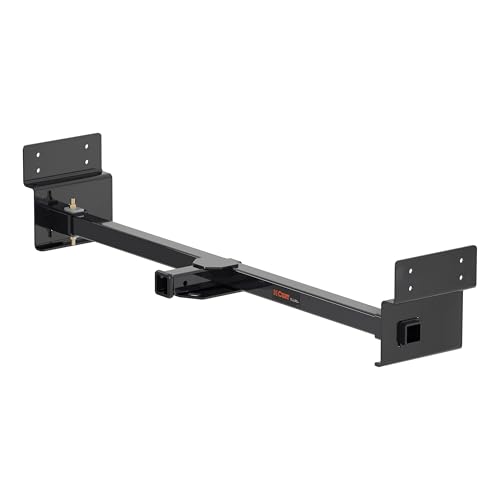
CURT 13703 Adjustable RV Trailer Hitch, 2 Inch Receiver, Fits Camper and Motorhome Frames up to 72 Inches Wide, 3,500 lbs GTW, 350 lbs TW
Disclaimer
Outdoor activities involve inherent risks. The information provided on CampLifeEssentials is for educational purposes only. We are not responsible for any injuries, losses, or damages resulting from the use of this information. Some content may use AI assistance. Always practice Leave No Trace principles and verify local regulations before camping. If you do not agree, please do not use this website. Read the full disclaimer.