Ultralight Camping: The Art of Going Light
Master the skills and gear to hike farther, sleep better, and enjoy the wilderness with less weight on your back.
View Essential Gear ListWhat is Ultralight Camping?
Ultralight camping is a philosophy and a practice of reducing your backpack weight to the absolute minimum without compromising safety or comfort. The goal is to carry less than 10 pounds of base weight (excluding food, water, and fuel) so you can move faster, reduce fatigue, and enjoy the trail more. It’s not about suffering—it’s about smart choices.
This approach is especially popular among thru-hikers, long-distance backpackers, and anyone who wants to make their outdoor experience more enjoyable. By choosing the right ultralight tents, sleeping systems, and cooking gear, you can shave pounds off your pack without sacrificing the essentials.
Core Principles of Going Ultralight
1. Reduce, Reuse, Re-evaluate
Every item in your pack should serve at least two purposes. Ditch the "just in case" gear. Start with a comprehensive gear list and ruthlessly cut duplicates.
2. Choose the Right Materials
Modern materials like Dyneema, silnylon, and titanium offer incredible strength-to-weight ratios. Invest in a lightweight shelter and a high-performance sleeping pad that packs small.
3. Master Your Sleep System
Your sleep system (pad, bag/quilt, pillow) is critical. Consider a side-sleeper camping mattress or an underquilt for hammocks. The goal is warmth and comfort at minimal weight.
4. Cook Efficiently
Opt for a lightweight camping stove and a titanium pot. Cold soaking (no-cook) meals are also popular among ultralighters to save fuel weight.
Essential Ultralight Gear Categories
When you're building your ultralight kit, focus on these five core categories. Each one can be optimized to save significant weight.
Shelter: Tents, Tarps & Hammocks
Your shelter is one of the heaviest items. Ultralight tents made from Dyneema or silnylon can weigh under 2 pounds. For the lightest option, consider a trekking pole tent that uses your hiking poles as supports. Camping hammocks with an underquilt are another excellent ultralight choice for many terrains.
Pro Tip: A tent footprint is essential to protect your ultralight tent floor. Choose a lightweight polycro or Tyvek footprint to keep your shelter in top shape.
Sleep System: Pads & Bags
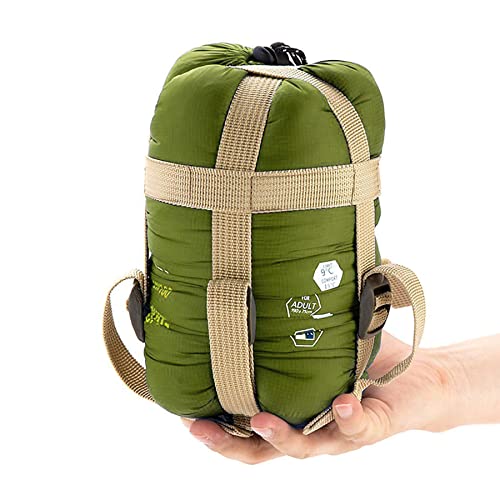
For a good night's sleep, you need insulation from the ground. Sleeping pads are available in air, foam, and self-inflating varieties. Side-sleeper air mattresses offer comfort without bulk. Pair your pad with a lightweight quilt or sleeping bag. Check our sleeping bag temperature guide to choose the right warmth.
Cooking & Hydration
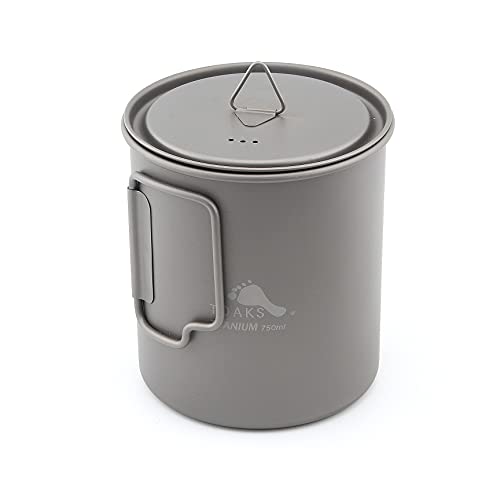
Ultralight cooking is about efficiency. A small camping stove and a 750ml titanium pot are standard. For water, a lightweight filter like the Sawyer Squeeze or a water filter technology system is crucial.
Clothing & Layering
Dress in layers. Merino wool or synthetic base layers, a fleece mid-layer, and a lightweight puffy jacket or vest. Always pack a waterproof and breathable rain jacket.
Backpack & Accessories
Your pack is the backbone of your system. Look for camping backpacks that are lightweight (under 2 pounds) but have a frame to transfer weight to your hips. Don't forget essentials like a trekking pole for stability and tent setup.
Why Go Ultralight? The Real Benefits
The benefits of a lightweight pack extend far beyond just carrying less weight.
- Less Fatigue: A lighter pack means less strain on your knees, back, and joints, allowing you to hike longer and enjoy the scenery.
- More Miles: You can cover greater distances in a day, opening up more remote areas and longer thru-hiking trails.
- Improved Safety: When you're less tired, you make better decisions. A lighter pack also makes it easier to negotiate tricky terrain or react to changing weather.
- Reduced Environmental Impact: Ultralight gear often uses fewer materials, and you're less likely to need campfires for warmth (reducing impact).
Common Ultralight Mistakes & How to Avoid Them
It's easy to make mistakes when you're starting out. Here are a few to watch out for:
- Skipping Safety Gear: Never sacrifice safety for weight. Always carry a first aid kit, emergency shelter, and communication device. A satellite communicator or emergency beacon can be a lifesaver.
- Not Testing Gear at Home: Test your new ultralight tent and sleep system in your backyard before hitting the trail. You need to know how to set up in the rain or on the snow.
- Ignoring Weather: Ultralight gear can be more delicate. Check weather alerts and be prepared for sudden changes.
- Overthinking Weight: Don't obsess over every gram. Focus on the "big three" (shelter, sleep system, backpack) where you can save the most weight.
Planning Your Ultralight Trip
Proper planning is key to a successful ultralight adventure. Consider these steps:
- Research Your Route: Know the terrain, water sources, and regulations. Check if you need a reservation or permits.
- Check the Weather: Use reliable weather apps to plan for the conditions. Adjust your gear list accordingly.
- Plan Your Meals: Calculate your daily calorie needs and pack lightweight, high-calorie foods. Consider no-cook options to save fuel.
- Review Leave No Trace Principles: Always respect the environment. Carry out all trash, use established campsites, and minimize your impact.
Checklist: Before you go, review our Ultralight Backpacking Gear List and camping checklists to ensure you haven't forgotten anything important.
Final Thoughts: Embrace the Ultralight Mindset
Ultralight camping is a journey, not a destination. Start by swapping out your heaviest items one at a time. The key is to balance weight, comfort, and safety. With the right gear and a bit of practice, you'll find yourself hiking further, sleeping better, and enjoying the wilderness with a new level of freedom.
Ready to upgrade your gear? Explore our recommended products below, handpicked for their quality and lightweight performance. Every purchase through our links helps us continue to provide free, in-depth guides like this one.