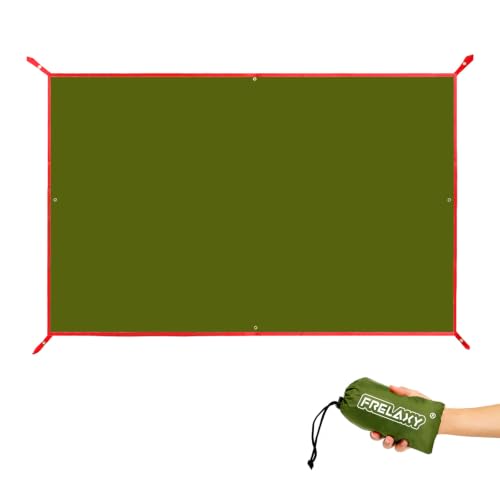
What Is a Tent Footprint & Why You Need One
A tent footprint is a protective groundsheet that goes under your tent. It shields the floor from sharp rocks, roots, and moisture, extending the life of your shelter and keeping you dry. Whether you're a weekend warrior or a thru-hiker, a footprint is one of the most affordable and effective pieces of camping gear you can own.
What Exactly Is a Tent Footprint?
A tent footprint—sometimes called a groundsheet or tarp—is a rectangular piece of waterproof material placed directly beneath your tent. It acts as a barrier between the fragile tent floor and the abrasive ground. Most footprints are made from durable nylon, polyester, or polyethylene, and they are often custom-cut to fit specific tent models.
While some campers use a generic camping tarp as a footprint, many tent manufacturers sell dedicated footprints that match the exact shape and size of their tents. This ensures the footprint sits just inside or slightly under the tent's edges, preventing water from pooling between the two layers.
Why You Need a Tent Footprint
Many beginner campers skip the footprint to save money or weight. However, a quality footprint offers several critical benefits:
- Protects Your Tent Floor: The floor of your tent is the most vulnerable part. Sharp rocks, twigs, and pine needles can puncture or abrade the fabric, leading to costly repairs or replacement. A footprint takes the abuse so your tent doesn't have to.
- Keeps You Dry: Ground moisture, dew, and rain can seep through a thin tent floor over time. A waterproof footprint adds an extra layer of defense, keeping you and your gear dry throughout the night.
- Extends Tent Lifespan: By preventing punctures and reducing wear, a footprint can add years to your tent's life. This is especially true for ultralight tents with thin, 20-denier floors.
- Makes Cleanup Easier: Instead of scrubbing mud and pine sap off your tent floor, you can simply shake off or wipe down the footprint. This keeps your tent cleaner and reduces the risk of mold and mildew.
- Provides a Clean, Dry Surface for Setup: In wet or muddy conditions, a footprint gives you a designated dry area to lay out your tent without getting the floor dirty.
💡 Pro Tip: If you're setting up a tent in the rain, a footprint is indispensable. It keeps the underside of your tent dry and prevents water from being tracked inside.
Types of Tent Footprints
There are several options when it comes to choosing a footprint. Each has its own pros and cons depending on your camping style and budget.
1. Manufacturer-Specific Footprints
These are made by the same brand that produces your tent. They are precision-cut to fit the exact shape and pole layout of your shelter. Many have grommet holes that align with the tent's pole clips, making setup easier. They also often feature a "bathtub" shape that rises slightly at the edges to prevent water from running underneath.
Best for: Campers who want a perfect fit and maximum protection.
2. Universal / Generic Tarps
A simple polyethylene or nylon tarp cut to size. These are versatile, inexpensive, and widely available. You can find them in hardware stores or camping sections. However, they don't offer a perfect fit, and you'll need to fold or cut them to size (which can lead to fraying edges).
Best for: Budget-conscious campers and those who use multiple tent sizes.
3. Tyvek or Polycro Groundsheets
These are lightweight alternatives popular among ultralight backpackers. Tyvek is a durable, breathable material used in home construction, while Polycro (window insulation film) is incredibly light and compact. Both are waterproof and can be cut to any size.
Best for: Ultralight backpackers who prioritize weight savings. For an in-depth look at lightweight options, check out our ultralight camping gear guide.
✅ Pros of Using a Footprint
- Protects tent floor from punctures
- Adds an extra waterproof layer
- Extends tent lifespan
- Easier to clean than tent floor
- Helps keep the tent dry during rain
❌ Cons of Using a Footprint
- Adds extra weight (though many are lightweight)
- Can trap moisture if not properly sized
- Additional cost (though affordable)
- Requires proper storage to avoid mold
How to Choose the Right Tent Footprint
Selecting the right footprint depends on your tent, your camping style, and your budget. Here are the key factors to consider:
Size and Fit
The footprint should be slightly smaller than the tent floor—typically 1–2 inches (2.5–5 cm) inside the edges. If it sticks out, rainwater will run off the tent onto the footprint and pool underneath your tent, defeating the purpose. For the best fit, buy the manufacturer's recommended footprint for your tent model.
Material and Durability
Look for materials like 70-denier nylon, 150-denier polyester, or thick polyethylene. Reinforced corners and taped seams add durability. If you camp in rocky or desert terrain, consider a heavier-duty footprint. For a comprehensive guide on tent care, we cover how to maintain your footprint as well.
Weight and Packability
If you're backpacking, weight is critical. Ultralight footprints made from Tyvek or Polycro can weigh as little as 3–6 ounces (85–170 grams). For car camping, weight is less of an issue, so you can opt for thicker, more durable materials.
Ease of Setup
Some footprints attach to the tent poles via grommets or straps, making setup fast and foolproof. Others are simply laid down. If you often set up a tent on the snow or in windy conditions, a footprint that clips or ties to the tent can be a lifesaver.
| Material | Weight (approx.) | Durability | Best For |
|---|---|---|---|
| Nylon (70D) | 8–12 oz | High | Car camping, family tents |
| Polyethylene | 12–20 oz | Very High | Frequent use, rough terrain |
| Tyvek | 4–8 oz | Moderate | Backpacking, durability |
| Polycro | 2–4 oz | Low | Ultralight backpacking |
How to Use a Tent Footprint Properly
Using a footprint correctly is just as important as owning one. Follow these steps for best results:
- Clear the Ground: Before laying down your footprint, remove any sharp rocks, sticks, or pinecones from the area. This prevents pressure points from damaging the footprint or tent floor.
- Center the Footprint: Place the footprint on the ground and position your tent directly on top. Ensure the footprint does not extend beyond the tent's edges.
- Secure the Corners: If your footprint has grommets, use tent stakes to anchor it. This prevents it from shifting during setup or windy conditions.
- Set Up the Tent: Follow your tent's setup instructions. The footprint should sit neatly under the tent, with the tent's floor covering it completely.
- Clean and Dry After Use: When packing up, shake off dirt and debris. If the footprint is wet, let it dry before storing to prevent mold and mildew. This is a key part of tent care and extends the life of your entire shelter system.
⚠️ Important: Never use a footprint that is larger than your tent floor. Rainwater will collect on the exposed part and flow underneath, which can wet the tent floor from below. A slightly smaller footprint is always better.
Common Tent Footprint Mistakes to Avoid
Many campers make simple errors that reduce the effectiveness of their footprint. Here are the most common pitfalls and how to avoid them:
- Using a Footprint That's Too Big: As mentioned earlier, this allows water to pool under the tent. Always trim or fold any excess material.
- Not Cleaning Under the Tent: Even with a footprint, sharp objects underneath can press up and damage the tent floor. Always clear the ground thoroughly.
- Forgetting to Stake the Footprint: In windy conditions, an unstaked footprint can shift, leaving parts of the tent exposed to sharp rocks.
- Storing a Wet Footprint: This is a surefire way to grow mold. Always dry your footprint completely before storing it in your camping backpack or gear bin.
- Using a Footprint as a Tarp: While you can use a footprint as a makeshift tarp for shade or rain cover, it's not designed for that purpose and may not provide enough coverage.
If you're new to camping, avoid these mistakes by reading our first-time camping tips guide, which covers all the basics.
DIY Tent Footprint: Can You Make Your Own?
Yes, you can make a DIY tent footprint using materials like Tyvek, Polycro, or even a heavy-duty painter's tarp. This can save you money and allows you to customize the size. However, there are a few things to keep in mind:
- Measure Twice, Cut Once: Measure your tent floor carefully and cut the footprint about 1 inch (2.5 cm) smaller on all sides.
- Seal the Edges: If you cut a tarp, the edges may fray. Use a hot knife to seal them, or apply a strip of duct tape or seam sealer.
- Add Grommets: If you plan to stake it, add grommets at the corners. You can buy a grommet kit at any hardware store.
- Test It First: Before taking a DIY footprint on a big trip, test it in your backyard to ensure it fits well and doesn't let water pool underneath.
While a DIY footprint is functional, it may not have the same durability or fit as a manufacturer-made option. For critical trips, it's often worth investing in a dedicated footprint for your specific tent model.
Final Thoughts: Is a Tent Footprint Worth It?
Absolutely. A tent footprint is one of the most cost-effective camping accessories you can buy. For a relatively small investment—usually between $30 and $70—you can significantly extend the life of your tent, keep your gear dry, and improve your overall camping experience.
Whether you're a casual car camper or a serious thru-hiking enthusiast, a footprint offers peace of mind. It protects your shelter from the elements and sharp objects, so you can focus on enjoying the outdoors rather than worrying about a leaky or torn tent floor.
When choosing a footprint, consider your tent model, camping terrain, and weight preferences. If you're unsure, start with a generic tarp—it's inexpensive and will give you a feel for how a footprint works. Over time, you can upgrade to a custom-fit model that matches your shelter perfectly.
Now that you understand the importance of a tent footprint, it's time to gear up. Check out our recommended camping gear below, including some of the best footprints and groundsheets on the market today.