Trekking Poles for Tent: The Ultimate Guide
Learn how to use trekking poles to set up a lightweight, stable, and weather-resistant shelter. Save weight, increase stability, and simplify your backpacking setup.
Why Use Trekking Poles for Your Tent? Trekking poles aren't just for hiking—they're versatile tools that can replace traditional tent poles, saving weight and adding stability. This guide covers everything from setup techniques to choosing the right poles for your shelter.
What Are Trekking Pole Tents?
A trekking pole tent is a shelter designed to be supported by your hiking poles instead of traditional aluminum or fiberglass poles. These tents are incredibly popular among ultralight backpackers, thru-hikers, and anyone looking to reduce pack weight. The concept is simple: your trekking poles serve as the main structural support, which eliminates the need for heavy, bulky tent poles.
Most trekking pole tents are made from lightweight, high-tenacity fabrics like sil-nylon or Dyneema Composite Fabric (DCF). They come in various styles, including pyramids (mid), A-frame, and tarp-style shelters. Many are also waterproof tents designed to withstand harsh weather conditions while keeping your pack weight to a minimum.
Top Benefits of Using Trekking Poles for Your Tent
🚀 Weight Savings
Eliminate traditional tent poles and save up to 1–2 lbs (0.5–1 kg) from your pack. Every ounce counts on long trails, and trekking pole tents are the gold standard for ultralight camping gear.
🔄 Dual Purpose
Your trekking poles serve double duty: support your shelter during the day and assist your hiking rhythm. This reduces total gear weight without sacrificing functionality.
🌬️ Wind Stability
When properly staked and tensioned, trekking pole tents are incredibly aerodynamic and stable in high winds. The angled design sheds wind effectively, making them ideal for exposed ridges and winter camping conditions.
📦 Simple Setup
With practice, setting up a trekking pole tent becomes intuitive. Most designs require only a few stakes and a single pole (or two) to create a taut, livable shelter. They're often easier to pitch than traditional dome tents on uneven ground.
How to Set Up a Trekking Pole Tent
Setting up a trekking pole tent is straightforward once you understand the basic principles. Here's a step-by-step guide:
- Choose Your Site: Look for a flat, elevated area with good drainage. Clear away any sharp rocks or debris that could damage your tent floor. If you're camping in a setting up a tent in the rain, ensure you have a plan to keep the interior dry.
- Lay Out the Tent: Unfold your tent body and footprint. Stake out the four corners first to establish the basic footprint and prevent the tent from blowing away.
- Insert the Trekking Poles: Adjust your trekking poles to the recommended height (usually 115–125 cm for most mid-style tents). Place the pole tips into the designated grommets or webbing loops at the apex of the tent.
- Raise the Tent: Push the poles upward to lift the tent. Secure the pole handles with the provided straps or stake them out to create the final shape.
- Tension the Fabric: Stake out the remaining guy lines and side pull-outs. Proper tension is key to stability and weather resistance. Adjust the poles and stakes as needed for a drum-tight pitch.
- Add Guylines: For windy conditions, use additional guylines to secure the tent. Many trekking pole tents have dedicated attachment points for extra stakes.
If you're new to this style of shelter, practice at home or in a local park before heading into the backcountry. Familiarity with your tent's setup will save you time and frustration when you're tired at the end of a long hike.
Choosing the Right Trekking Poles
Not all trekking poles are created equal for tent support. Here are key factors to consider:
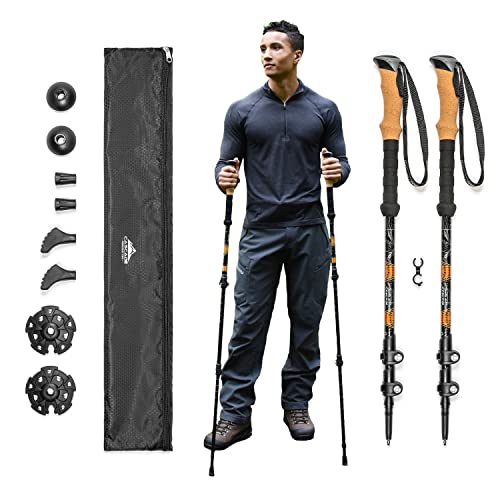
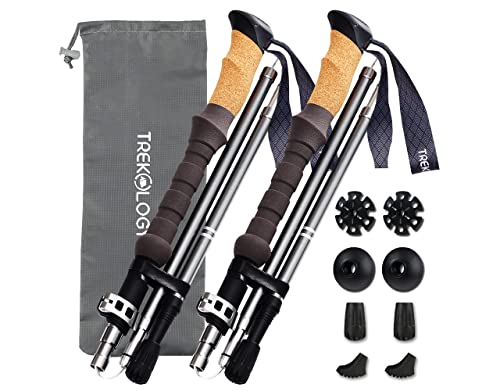
- Adjustable vs. Fixed: Adjustable poles offer more versatility for different tent models and terrain. Fixed-length poles are lighter but less adaptable. For most backpackers, adjustable poles are the better choice.
- Material: Aluminum poles are durable and affordable, while carbon fiber is lighter and dampens vibration better. Carbon fiber is recommended for long-distance hiking where weight matters most.
- Locking Mechanism: Twist-lock and lever-lock are the two main types. Lever-lock mechanisms are generally more reliable and easier to adjust with cold or wet hands.
- Grip Material: Cork grips are comfortable and absorb sweat, while EVA foam is lightweight and cost-effective. Choose based on your personal preference.
Many ultralight backpackers prefer ultralight tents designed specifically for use with trekking poles. These shelters are engineered to work with pole heights ranging from 110 cm to 130 cm, so always check the manufacturer's specifications.
Trekking Pole Tents: Pros & Cons
✔️ Advantages
- • Lightweight and compact
- • Dual-use gear (poles + support)
- • Excellent wind performance
- • Often less expensive than pole-equipped tents
- • Quick to pitch with practice
⚠️ Disadvantages
- • Requires trekking poles (can't be lost or broken)
- • Steeper learning curve for setup
- • Less interior volume than dome tents
- • May not be freestanding
Caring for Your Trekking Pole Tent
Proper care will extend the life of your shelter. Always dry your tent thoroughly before storing to prevent mold and mildew. Clean the fabric with a mild soap and a soft sponge—avoid harsh detergents. Periodically check the seam tape and guylines for wear and tear. If you're using a tent footprint, it will help protect the floor from punctures and abrasion.
Store your trekking poles with the locks open to relieve tension on the mechanisms. If you're using carbon fiber poles, inspect them regularly for cracks or splinters, especially after a fall or heavy use.
Final Word: Trekking pole tents are a game-changer for backpackers and campers who prioritize weight efficiency without compromising on durability. Whether you're a seasoned thru-hiker or a weekend warrior, mastering this setup can transform your outdoor experience. Pair your trekking pole tent with a high-quality sleeping pad and a sleeping bag for a complete lightweight shelter system.