Ultra Lightweight Backpacking Pack: Complete Guide
Everything you need to know about choosing, using, and maintaining an ultralight backpacking pack. Compare materials, understand weight limits, and make an informed decision for your next adventure.
START READINGWhy Ultra Lightweight? Reducing pack weight decreases fatigue, lowers injury risk, and makes multi-day hikes more enjoyable. An ultralight backpacking pack is the foundation of a lightweight gear system.
What Is an Ultra Lightweight Backpacking Pack?
An ultra lightweight backpacking pack is a specialized backpack designed for hikers who prioritize minimal weight without sacrificing essential functionality. These packs typically weigh under 2 pounds (approximately 0.9 kg) and are built using advanced materials and streamlined designs.
Unlike traditional backpacking packs that often weigh 4–6 pounds or more, ultralight packs eliminate unnecessary features, reduce material thickness, and optimize load distribution. This makes them ideal for thru-hikers, fastpackers, and anyone looking to cover more miles with less fatigue.
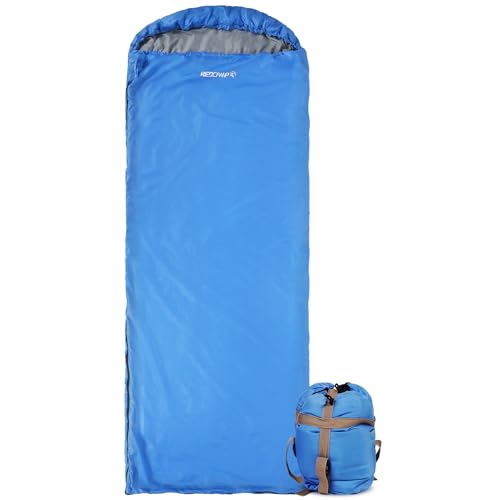
If you're building a complete ultralight setup, you'll also want to explore our guide to ultra light backpacking gear and consider a ultralight down sleeping bag to complement your pack.
Key Factors When Choosing an Ultralight Backpack
Selecting the right ultralight backpacking pack involves balancing weight, durability, comfort, and capacity. Here are the most important factors to consider:
1. Weight and Materials
The primary appeal of ultralight packs is their low weight. Materials like Dyneema Composite Fabric (DCF), ripstop nylon, and UHMWPE (Ultra High Molecular Weight Polyethylene) offer exceptional strength-to-weight ratios. Entry-level ultralight packs may use lighter denier nylon, while premium models often feature Dyneema or hybrid fabrics for maximum durability.
When evaluating materials, consider abrasion resistance, water resistance, and tear strength. A waterproof backpack option can eliminate the need for a rain cover, further reducing weight.
2. Frame Type: Frameless vs. Framed
Ultralight backpacks come in two main categories:
- Frameless: These packs rely on careful packing to create structure. They are the lightest option but work best with base weights under 15 pounds. Ideal for weekend trips and fastpacking.
- Lightweight framed: These feature minimal internal frames or stays that transfer weight to the hips. They handle heavier loads (up to 30–35 pounds) while still weighing significantly less than traditional packs. Best for multi-day trips and thru-hikes.
For those transitioning from traditional gear, a lightweight framed pack offers a smoother adjustment period. If you're also considering hammock camping, check out our hammock that can be used as a tent guide.
3. Capacity and Volume
Ultralight backpacking packs range from 30 liters for minimalist weekend trips to 70 liters for extended expeditions. The right capacity depends on:
- Trip duration: 1–2 nights: 30–45L | 3–5 nights: 45–60L | 5+ nights: 60–70L
- Gear bulk: Down sleeping bags and quilts compress smaller than synthetic alternatives
- Food and water: Longer trips require more consumables
Pair your pack with a hiking backpack with tent and sleeping bag system for a fully integrated setup.
4. Comfort and Fit
Even the lightest pack must fit well. Look for adjustable torso lengths, padded shoulder straps, and a hip belt that transfers weight effectively. Ultralight packs often have minimal padding, so proper fit is critical to avoid discomfort.
For backpackers who also enjoy truck camping or van camping, a dedicated ultralight pack serves as a complementary option for day hikes and side trips.
5. Features and Organization
Ultralight packs typically strip away features like multiple compartments, heavy zippers, and bulky lids. Instead, they offer:
- Roll-top or drawstring closures
- Large mesh front pockets for quick-access items
- Side compression straps
- Minimal or no hip belt pockets
- Ice axe loops and trekking pole attachments
Some hikers prefer a rucksack hiking backpack style with a more traditional top-loading design. Others embrace the simplicity of a frameless pack. Choose based on your organizational preferences and hiking style.
Ultralight Backpacking Pack Tier Comparison
To help you understand the market, here's a breakdown of quality tiers using universal descriptors:
| Tier | Materials | Best For | Durability |
|---|---|---|---|
| Entry-Level | Lightweight nylon, basic ripstop | Weekend trips, beginners | Moderate |
| Mid-Range | High-denier nylon, reinforced ripstop | Multi-day trips, regular hikers | Good |
| Premium | Dyneema, UHMWPE, hybrid fabrics | Thru-hikes, serious ultralighters | Excellent |
| Luxury/Ultra-Premium | Custom Dyneema, advanced composites | Expeditions, extreme conditions | Outstanding |
Entry-level packs are budget-friendly and great for occasional use. Mid-range models offer the best balance of weight, durability, and features for most hikers. Premium and luxury packs are designed for those who demand the absolute lightest weight and highest performance, often for ultra lightweight backpacking pack enthusiasts tackling long-distance trails.
How to Pack an Ultralight Backpack
Proper packing is essential for comfort and stability, especially with frameless packs. Follow these principles:
- Heaviest items close to your back: Place food, water, and heavy gear in the center of the pack, against your spine.
- Lightweight items at the bottom: Sleeping bag and clothes go at the bottom.
- Frequently used items in easy-to-reach pockets: Snacks, map, and rain jacket in side or hip pockets.
- Use a pack liner: A trash compactor bag or dedicated pack liner keeps gear dry without a heavy rain cover.
- Compress everything: Use stuff sacks and compression straps to minimize volume.
For rainy conditions, learn how to set up a tent in the rain and keep your pack protected. If you're camping in cold weather, a winter blanket or winter clothing guide can help you stay warm.
Maintenance and Care
Ultralight packs require gentle care to maximize lifespan:
- Clean with mild soap and water; avoid machine washing
- Repair small tears immediately with patches or seam grip
- Store in a cool, dry place away from direct sunlight
- Avoid overloading beyond the manufacturer's recommended weight limit
- Inspect straps, buckles, and zippers before each trip
If you're considering pre-owned gear, explore used camping gear options to find quality ultralight packs at lower tiers. For those interested in vehicle-based adventures, check out used RV for sale or used slide-in truck campers for sale.
Ultralight Backpacking Pack FAQ
What is an ultra lightweight backpacking pack?
An ultra lightweight backpacking pack is a frameless or minimally framed backpack typically weighing under 2 pounds (1 kg) that prioritizes weight savings while maintaining essential functionality for multi-day hiking and camping trips.
How much weight can an ultralight backpack carry?
Most ultralight backpacks are designed to carry base weights between 8 and 20 pounds, depending on the model. Frameless packs typically handle lighter loads, while lightweight framed packs can comfortably manage heavier base weights.
What materials are used in ultralight backpacking packs?
Common materials include ripstop nylon, Dyneema Composite Fabric (DCF), Ultra High Molecular Weight Polyethylene (UHMWPE), and high-denier polyester. These materials offer excellent strength-to-weight ratios.
Are ultralight backpacks durable enough for rugged trails?
Yes, premium ultralight packs use advanced materials like Dyneema and UHMWPE that are highly abrasion-resistant. However, they require more careful handling than traditional heavy-duty packs.
What size ultralight backpack do I need?
For weekend trips, 30–50 liters is usually sufficient. For multi-day thru-hikes, 50–70 liters provides adequate capacity for food and gear. Choose based on your gear volume and trip duration.
Related Guides
Explore more camping and backpacking resources:
- Ultra Light Backpacking Gear – Complete ultralight gear checklist
- Ultralight Backpacking Gear – More gear recommendations
- Ultralight Down Sleeping Bag – Lightweight sleep systems
- Waterproof Backpack – Keep gear dry on the trail
- Hiking Backpack with Tent and Sleeping Bag – All-in-one solutions
- Camping Backpack with Tent and Sleeping Bag – Complete camping setups
- Rucksack Hiking Backpack – Traditional pack options
- Used Camping Gear – Budget-friendly alternatives