Tips for Tent Camping in the Rain
Don't let wet weather ruin your adventure. Learn how to stay dry, warm, and comfortable when tent camping in the rain.
Explore Rain Camping GuidesCamping in the rain can be a daunting prospect for many outdoor enthusiasts. However, with the right preparation, gear, and mindset, a rainy camping trip can be just as enjoyable—and sometimes even more memorable—than a sunny one. The key is to embrace the conditions and focus on staying dry and warm. This guide will walk you through everything you need to know, from choosing the right campsite to setting up your tent and keeping your spirits high when the clouds roll in. For a broader look at the topic, see our main guide on camping in the rain in a tent.
1. Preparation is Your Best Defense
Before you even leave home, your preparation determines how comfortable you'll be. The first step is ensuring your tent is up to the task. Check the waterproof rating, often measured in millimeters (mm). A rating of 1500mm is suitable for light rain, while 3000mm or more is ideal for heavy downpours. It's also wise to re-waterproof your tent seams and rainfly with a specialized sealant if it's been a while since you last used it. To learn more about tent materials and longevity, read our article on how long do tents last.
Packing the right gear is crucial. Here’s a quick checklist of rainy-day essentials:
- Waterproof Tent: A 4-season tent or a high-quality 3-season tent with a full-coverage rainfly.
- Footprint or Ground Tarp: Placed under your tent to prevent water from seeping through the floor.
- Extra Tarps: A large tarp can be rigged above your tent or cooking area for extra shelter.
- Rain Gear: Waterproof jackets, pants, and hats for everyone in your group.
- Dry Bags: To keep your clothes, electronics, and sleeping bag completely dry.
- Quick-Dry Towels: For wiping down wet surfaces and gear.
2. Choosing a Rain-Smart Campsite
Your choice of campsite is critical. Avoid low-lying areas, valleys, and depressions where water naturally pools. Look for elevated ground with good drainage. Sandy or gravelly soil drains much better than clay. Never camp at the bottom of a hill; flash floods can happen quickly. Also, avoid pitching your tent under trees, as falling branches or "widowmakers" can be a danger, and trees can drip water long after the rain stops. For more on selecting a safe spot, see our guide on campground vs wild camping.
If you are in a managed campground, try to choose a site that is on a slight incline. This will help water run away from your tent. If you're camping anywhere in a dispersed area, take extra time to scout for the highest, most level ground available. A little extra effort in site selection can mean the difference between a dry night's sleep and a soggy one.
3. Setting Up Your Tent in the Rain
Setting up a tent in the rain requires speed and strategy. The goal is to keep the inside of your tent as dry as possible. Here’s the best method:
- Lay the Footprint First: Place your ground tarp or footprint where you want the tent. Make sure it's slightly smaller than the tent floor so it doesn't catch rainwater.
- Use the "Inside-Out" Method: If possible, unroll your tent and rainfly inside your car or under a large tarp. If not, work quickly. Assemble the poles and attach the tent body. Then, immediately throw the rainfly over the top before the inside gets wet. For a detailed walkthrough, read our article on how to set up a tent in the rain.
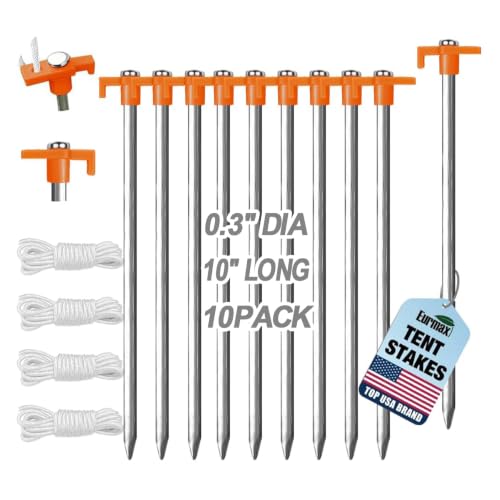
- Stake it Out Properly: Ensure the rainfly is staked out taut and away from the tent body. This creates an air gap that prevents condensation and allows water to run off without touching the inner tent. Use all guy lines to keep the rainfly stable in wind.
If you're using a pop-up tent, such as a pop-up tent for cold and rainy weather, the process is much faster, but you still need to secure the rainfly and stakes quickly. For those who prefer a more classic setup, a 6-person instant cabin tent with a screen room can offer a large dry area, but the setup is more involved.
4. Staying Warm and Dry Inside the Tent
Once your tent is up, it's time to make the interior a cozy, dry sanctuary. The biggest enemy inside a tent in the rain is condensation. To minimize it, ensure proper ventilation. Open the vents on the rainfly and keep a window slightly open, even if it's raining. The airflow will help moisture from your breath and body heat escape.
Create a "dry zone" inside your tent. Use a separate groundsheet or mat inside the tent. This is where you can sit and remove wet gear without soaking your sleeping area. Keep all wet clothing and gear in the vestibule or a designated corner, not on your sleeping bag. For the ultimate comfort, consider an all-in-one sleeping bag and mattress to keep you insulated from the cold, damp ground.
5. Enjoying Activities and Cooking in the Rain
A rainy day doesn't mean you have to be bored. There are plenty of things to do camping in the rain. Reading, playing cards, or just enjoying the sound of rain on the tent can be very relaxing. If you have a large tarp, you can set up a sheltered area outside the tent for socializing.
Cooking in the rain requires a safe and sheltered setup. Never cook inside your tent due to the risk of carbon monoxide poisoning and fire. Instead, use a vestibule or a tarp-covered area. For cooking, a camping pot and pan set for open fire is a great option if you have a fire pit, but remember to check campfire regulations and fire bans first. For more ideas, explore our list of things to cook over a fire pit.
If you're planning meals, consider camping food that doesn't need refrigeration to simplify your trip. For a fun and easy meal, you could try some easy things to cook over a fire, like foil packet meals. Always remember campfire safety rules and know how to extinguish your campfire properly.
6. Safety Considerations in Wet Weather
Rain brings its own set of safety concerns. Be aware of the risk of flash floods if you are camping near a river or in a canyon. Never camp in a dry wash or gully, as these can fill with water rapidly. Also, be cautious of lightning. If you hear thunder, seek shelter in a hard-topped vehicle or a building. If you're caught in the open, avoid tall trees and open water. For more detailed information, read our guide on lightning safety camping.
Hypothermia is a real risk in wet and cold conditions. Keep an eye on your fellow campers for signs of shivering, confusion, and slurred speech. If someone shows signs of hypothermia, get them into dry clothes, into a sleeping bag, and give them warm, sweet drinks. Check our hypothermia prevention guide for more details. Always have a well-stocked camping first aid kit and know common camping injuries to watch for. In an emergency, know emergency SOS signals and have a way to communicate.