
Things to Bring on a Hiking Camping Trip: The Ultimate Packing Guide
Master your next outdoor adventure with our comprehensive checklist of essential gear, clothing, and supplies for a successful hiking and camping experience.
View the ChecklistWhy Preparation Matters: A hiking camping trip combines the thrill of the trail with the serenity of the campsite. Unlike car camping, where you can bring a cooler and a trunk full of extras, a hiking trip demands careful selection. Every ounce counts. The right gear ensures you stay warm, dry, nourished, and safe—allowing you to fully immerse yourself in nature. This guide will walk you through the essential items you need, helping you pack smart and hike confidently.
The Big Three: Shelter, Sleep, and Carry
These are the heaviest and most critical components of your pack. Your choice here defines your comfort and mobility. For a deeper dive into specific categories, explore our guides on how to choose the right tent size and understanding sleeping bag temperature ratings.
1. Backpack
Your backpack is your lifeline. For a hiking camping trip, a capacity of 50-65 liters is ideal for a 1-3 night trip. Look for a pack with a ventilated back panel, padded hip belt, and multiple compartments. An entry-level backpack with a tent and sleeping bag can be a great starting point, while mid-range and premium options offer better load distribution and lighter materials.
2. Tent
Your shelter must be lightweight, weatherproof, and easy to pitch. A 2-person tent is a versatile choice for solo hikers who want extra space or for couples. Consider a 2-person tent that is easy to set up after a long day on the trail. For harsh conditions, a 4-season tent with a stove jack is a top-tier choice for winter expeditions. If you're hiking in rainy regions, learn how to set up a tent in the rain to keep your gear dry.
3. Sleeping System
This includes your sleeping bag, sleeping pad, and pillow. A sleeping bag rated for 10-20°F below the expected low temperature is a safe bet. For couples, a double sleeping bag that converts to two singles offers flexibility. Don't underestimate the importance of a sleeping pad—it provides insulation from the cold ground and cushioning for a good night's rest. An all-in-one sleeping bag and mattress is a convenient option for minimalists.
Clothing: Layering for Success
Cotton kills. This old adage holds true in the backcountry. When cotton gets wet, it loses its insulating properties and takes forever to dry, leading to hypothermia. Instead, follow the layering system:
- Base Layer: Moisture-wicking materials like merino wool or synthetic fabrics. This layer sits against your skin to pull sweat away.
- Mid Layer: Fleece or lightweight down jacket for insulation. This is your warmth layer.
- Outer Layer: A waterproof and windproof shell (rain jacket and pants) to protect you from the elements. For cold-weather trips, our guide on layering clothing for winter provides more advanced strategies.
- Footwear: Sturdy, broken-in hiking boots with good ankle support. Pair them with moisture-wicking socks. For winter adventures, check out our recommendations for winter camping boots.
- Extras: A warm hat, gloves, and a buff or scarf. These are lightweight and make a huge difference in comfort.
Food and Water: Fuel for the Trail
Calories are energy. For hiking, you want lightweight, calorie-dense foods that don't require refrigeration. Our guide on good camping food that doesn't need refrigeration is a great resource.
- Water: Carry at least 2 liters of water. A water filter or purification tablets are essential for refilling from natural sources. For advanced tech, see our guide on water filters technology.
- Meals: Dehydrated meals, instant oatmeal, energy bars, nuts, and jerky. For a quick overview, see our list of camping food you don't have to cook.
- Cooking Gear: A lightweight camping stove, fuel, a small pot, and utensils. A camping kettle is perfect for hot drinks.
- Bear Safety: If you're in bear country, a bear canister or a hanging system is non-negotiable. Always follow food storage rules.
Navigation and Safety: Your Lifeline
Never rely solely on your phone. Batteries die, and signals are often non-existent. For a detailed comparison, read our article on GPS vs. smartphone for camping.
- Map and Compass: A physical map of the area and a digital compass guide can help you learn the basics. A handheld GPS device is a premium option for serious navigators.
- First Aid Kit: A pre-assembled camping first aid kit is a good start. Know how to treat common camping injuries and consider a course in wilderness first aid.
- Emergency Communication: A satellite communicator or a personal locator beacon (PLB) can be a lifesaver in remote areas. Our guide on emergency communication covers all the options.
- Lighting: A headlamp is essential for hands-free visibility. A rechargeable camping lantern and bug zapper is a great dual-purpose item for the campsite.
- Fire: Waterproof matches and a fire starter. Always follow campfire safety rules and check for fire bans before you go.
Personal Items and Hygiene
Staying clean and comfortable on the trail is important for morale and health.
- Toiletries: Biodegradable soap, toothbrush, toothpaste, and a small towel. A solar shower is a luxury for basecamps.
- Sun Protection: Sunscreen, lip balm with SPF, sunglasses, and a hat.
- Insect Repellent: Essential in buggy areas. Our guide to mosquito and bug protection offers more tips.
- Repair Kit: Duct tape, a multi-tool, and a needle and thread for gear repairs.
Optional Comfort Items and Technology
These items can enhance your experience but should be considered based on weight and necessity.
- Camp Chair: A lightweight camping chair is a game-changer for comfort at camp. For larger folks, check out big and tall camping chairs.
- Power Bank: A camping power bank keeps your devices charged. For longer trips, a portable power station or solar charger is ideal.
- Navigation Apps: Download offline maps apps and a weather app for camping before you leave.
- Entertainment: A deck of cards, a good book, or a star gazing app for evening enjoyment.
Recommended Gear for Your Hiking Camping Trip
⚠️ AFFILIATE DISCLOSURE: This website contains affiliate links. As an Amazon Associate, we earn from qualifying purchases. If you make a purchase through these links, we may receive a small commission at no additional cost to you. Read our full affiliate policy.
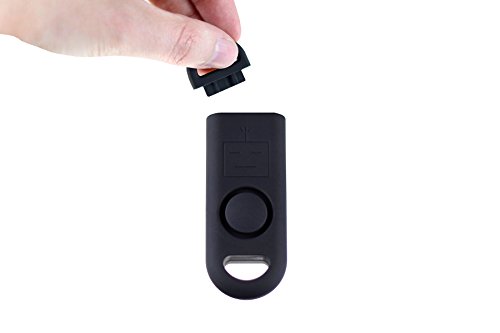
Sound Grenade by BASU® 130db Emergency Alarm for Camping & Hiking, Tripwire, Bear, Perimeter Alarm (Outdoor, S.W.A.T. Black)

Tesorrio 100 Pcs Compressed Towel Tablets, Individually Wrapped for Travel | Cotton Disposable Towels Expand in Water for Camping, Hiking, Backpacking, Road Trips, Gym Bags & Daily Face and Body Care

Silkfly 12 Pcs Packing Cubes for Travel,XL, L, M,Classic,Dark Colors | Large Mesh Organizer for Suitcase Luggage, Compression Style, Hiking Camping Trips, Lightweight Durable Space Maximizer

CAMPINGMOON Stove Compact Foldable | Ultralight Backpacking Stove XD-2F,3.3kW Output, Boils Fast, with Igniter,4-Flex Support, for Hiking,Camping, Emergency

Silkfly 12 Pcs Packing Cubes for Travel,XL, L, M,Dots,Navy Blue

Dog Water Bowl Dispenser 77oz, Large Pet Dog Water Bottle Portable with Pull-Out Travel Water Bowl for Dogs, Portable Water Bowl for Dogs on The Go, Camping Essentials Hiking Traveling Accessories

Silkfly 12 Pcs Packing Cubes for Travel,XL,Classic,Black,Gray,Beige | Large Mesh Organizer for Suitcase Luggage, Compression Style, Hiking Camping Trips, Lightweight Durable Space Maximizer

Silkfly 12 Pcs Packing Cubes for Travel,XL, L, M,Classic,Pink, Gray Blue | Large Mesh Organizer for Suitcase Luggage, Compression Style, Hiking Camping Trips, Lightweight Durable Space Maximizer
Frequently Asked Questions
What is the most important thing to bring on a hiking camping trip?
The most important items are your "Big Three": a proper backpack, a reliable shelter (tent or hammock), and a sleeping system (bag and pad). These ensure you can carry your gear, stay protected from the elements, and get restful sleep. Without them, your trip can quickly become miserable or even dangerous.
How much water should I bring for a day hike?
For a day hike, plan for at least 0.5 to 1 liter of water per hour of hiking, depending on the intensity and weather. For an overnight hiking camping trip, carry a minimum of 2-3 liters and have a water filter or purification method to refill from natural sources. Never drink untreated water from a stream or lake.
Do I need a bear canister for a hiking camping trip?
It depends on where you are hiking. In many national parks and wilderness areas (like Yosemite or the Adirondacks), bear canisters are required by law. Even if not required, they are the most effective way to protect your food from bears and other wildlife. Always check local regulations and follow food storage rules.
What should I wear on a hiking camping trip?
Follow the layering system: a moisture-wicking base layer, an insulating mid-layer (like fleece or down), and a waterproof/windproof outer shell. Avoid cotton clothing as it stays wet and cold. Wear sturdy hiking boots and moisture-wicking socks. For cold weather, refer to our guide on layering clothing for winter.
Final Pro Tip: Before you leave, always tell someone your itinerary and expected return time. Practice Leave No Trace principles to minimize your impact on the environment. And for a full list of essentials, check out our list of things to bring on a camping trip and our camping checklists.