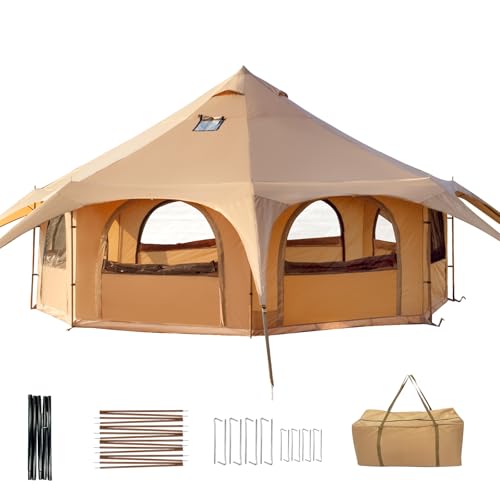
Tents with Stove Jack: The Ultimate Guide for 4-Season Camping
Everything you need to know about hot tents, stove jacks, and how to stay warm on your coldest adventures. From materials to safety, we cover it all.
START READINGFor campers who refuse to let cold weather end their adventures, a tent with a stove jack is a game-changer. Also known as a "hot tent," these specialized shelters allow you to safely use a wood-burning stove inside, transforming a freezing night into a cozy retreat. Whether you're into winter camping or planning an extended hunting trip, understanding how stove jack tents work is essential for staying warm, safe, and comfortable.
In this comprehensive guide, we'll walk you through everything you need to know about tents with stove jacks. We'll cover what they are, how they differ from standard tents, the materials used, safety considerations, and how to choose the right one for your needs. By the end, you'll be ready to make an informed decision and enjoy the outdoors in any season.
What Exactly Is a Stove Jack?
A stove jack is a heat-resistant port or opening built into the wall or roof of a tent. It's designed to allow a stovepipe from a wood-burning or portable wood-burning stove to pass through safely. The jack itself is typically made from fire-retardant materials like silicone-coated fiberglass or high-temperature fabrics such as aramid (Kevlar) felt. This construction prevents the tent fabric from melting or catching fire due to the intense heat of the stovepipe.
Tents equipped with a stove jack are often called hot tents. They are a staple for winter campers, hunters, and anyone who wants to extend their camping season into the colder months. Unlike standard tents, which are designed primarily for ventilation and weather protection, hot tents are engineered for heat retention and safe stove operation.
💡 Pro Tip: A stove jack is not just a hole—it's a critical safety component. Always ensure the jack is properly sized for your stovepipe and that the surrounding fabric is kept clear of any hot surfaces.
Key Features of a Quality Stove Jack Tent
When shopping for a tent with a stove jack, you'll want to pay attention to several key features that determine performance, safety, and durability. Here's what to look for:
- Stove Jack Material: Look for high-temperature materials like silicone-coated fiberglass or aramid felt. These can withstand continuous temperatures of 500°F to 1,000°F.
- Jack Size and Shape: Stove jacks come in various sizes to accommodate different stovepipe diameters. Common sizes range from 3 to 6 inches. Some tents feature adjustable or removable jacks.
- Tent Fabric: The best hot tents are made from heavy-duty, breathable fabrics like canvas or high-denier polyester. These materials handle heat better than lightweight nylon and offer better insulation.
- Ventilation: Proper airflow is crucial to prevent carbon monoxide buildup. Look for tents with multiple vents, especially near the top and bottom.
- Stove Placement: The jack is often positioned on the roof or side wall. Roof jacks are ideal for vertical stovepipes, while side wall jacks work well for angled pipes.
- Reinforced Patch: A quality stove jack will have a reinforced heat-resistant patch around the opening to prevent fraying and improve safety.
Materials Matter: Canvas vs. Synthetic
The material of your tent is just as important as the stove jack itself. Here's a quick comparison:
| Material | Pros | Cons | Best For |
|---|---|---|---|
| Canvas (Cotton Duck) | Excellent breathability, natural fire resistance, durable, quiet in wind | Heavy, bulky, requires more maintenance, can mold if stored wet | Basecamp, long trips, cold & dry climates |
| Polyester / Nylon | Lightweight, packable, water-resistant, easy to clean | Less breathable, can melt if exposed to high heat, noisier in wind | Backpacking, solo trips, mild winter conditions |
| Hybrid Fabrics | Blend of breathability and lightweight, often treated for fire resistance | Can be expensive, performance varies by brand | Versatile camping, 3-season + light winter |
For hot tents for sale, canvas is often the preferred choice for serious winter campers due to its natural fire resistance and breathability. However, modern synthetic hot tents are becoming increasingly popular for their lighter weight and improved heat resistance.
Safety First: Using a Stove in a Tent
Using a stove inside a tent is not without risk. Carbon monoxide (CO) poisoning, fire, and burns are real dangers. Here's how to mitigate them:
✅ Safety Best Practices
- Always ensure proper ventilation—open a vent or window slightly.
- Use a portable wood-burning stove designed for tent use.
- Install a carbon monoxide detector inside the tent.
- Keep a fire extinguisher or sand/water nearby.
- Never leave a burning stove unattended.
- Ensure the stovepipe is securely attached and the jack is properly sealed.
⚠️ Common Mistakes
- Using a stove not rated for indoor/tent use.
- Blocking all ventilation to "trap heat."
- Placing the stove too close to tent walls.
- Using a damaged or improperly sized stove jack.
- Storing flammable gear near the stove.
- Ignoring local fire bans or regulations (fire ban guide).
Always follow the manufacturer's instructions and check local campfire regulations before lighting up. In some areas, open flames may be prohibited even in a contained stove.
How to Choose the Right Tent with Stove Jack
Choosing the right hot tent depends on your specific needs. Consider the following factors:
- Capacity: How many people will sleep in it? Hot tents range from 1-person solo shelters to large basecamp models that sleep 6 or more. For family trips, look for a big family tent with rooms that includes a stove jack.
- Season: A true 4-season tent is built to handle snow load and high winds. If you're camping in extreme cold, invest in a 4-season tent with a stove jack.
- Stove Compatibility: Check the maximum stovepipe diameter the jack can accommodate. Also consider the weight and size of the stove you plan to use.
- Portability: If you're backpacking, weight is critical. Synthetic hot tents are lighter but may sacrifice some durability. Canvas tents are heavier but more durable for basecamp use.
- Setup: Some hot tents are easier to set up than others. Look for models with clear instructions and pre-attached components. For general tips, see our guide on how to set up a tent on snow.
- Ventilation: More vents mean better airflow and reduced condensation. This is crucial for comfort and safety.
- Durability: Look for reinforced seams, heavy-duty zippers, and high-quality materials. A well-made hot tent can last for many seasons.
Setting Up Your Hot Tent
Setting up a tent with a stove jack is similar to setting up any other tent, with a few extra steps for the stove and pipe. Here's a quick overview:
- Choose a Safe Location: Clear the area of dry grass, leaves, and overhanging branches. Ensure the ground is level.
- Pitch the Tent: Follow the manufacturer's instructions. Stake it down securely, especially in windy conditions. If camping on snow, use snow stakes or deadmen anchors.
- Install the Stove Jack: If your tent has a removable jack, install it now. Ensure it's properly seated and sealed.
- Set Up the Stove: Place the stove on a heat-resistant mat or fireproof board. Ensure it's stable and away from tent walls.
- Connect the Stovepipe: Assemble the pipe and pass it through the stove jack. Ensure all connections are tight and secure.
- Check Ventilation: Open vents to allow fresh air in and smoke out. Never completely seal the tent.
- Light the Stove: Start with a small fire and gradually add fuel. Monitor the stove and pipe for any signs of overheating.
- Monitor and Maintain: Keep an eye on the fire and the stovepipe. Ensure the jack remains sealed and the pipe doesn't shift.
For more detailed setup tips, especially in cold conditions, check out our guides on setting up a tent in the snow and keeping a tent warm in cold weather.
Frequently Asked Questions
Can I use a stove in any tent?
No. Only tents specifically designed with a stove jack and made from heat-resistant materials should be used with a stove. Using a stove in a standard tent is extremely dangerous and can lead to fire or carbon monoxide poisoning.
What is the best material for a stove jack?
Silicone-coated fiberglass and aramid (Kevlar) felt are considered the best materials due to their high heat resistance and durability. They can withstand continuous temperatures up to 1,000°F.
How do I prevent carbon monoxide buildup?
Proper ventilation is key. Always keep at least one vent open, even in extreme cold. Install a carbon monoxide detector inside the tent and never sleep with the stove damper fully closed.
Are hot tents worth it?
For winter campers, hunters, and anyone who camps in cold weather, a hot tent can dramatically improve comfort and extend your camping season. They are an investment, but for many, the added warmth and versatility are well worth it. For more on this, see our article on are expensive tents worth it.
Can I use a propane heater in a hot tent?
Some hot tents are compatible with propane heaters, but you must ensure proper ventilation to avoid carbon monoxide buildup. Always use a heater designed for indoor/tent use and follow the manufacturer's safety guidelines. For more options, see our guide to portable heaters for camping.
Ready to extend your camping season? Explore our recommended tents with stove jacks below and find the perfect shelter for your next cold-weather adventure.
VIEW RECOMMENDED TENTS