Ultra Lightweight Backpacking Gear: The Complete Guide
Discover how to reduce your pack weight, hike further, and enjoy the trail more with our comprehensive guide to ultralight backpacking gear.
EXPLORE THE GEARWhy go ultralight? The benefits of switching to ultra lightweight backpacking gear go far beyond just a lighter pack. Reduced weight means less strain on your joints, lower risk of injury, and the ability to cover more miles with less fatigue. Whether you're a section hiker, a thru-hiker, or a weekend warrior, shedding grams can transform your entire outdoor experience.
This guide breaks down the core components of an ultralight kit, explains the key trade-offs between entry-level, mid-range, and premium gear tiers, and helps you make informed decisions for your next adventure.
The Big Three: Your Core Ultralight Gear
In the backpacking world, the "Big Three" refers to your backpack, shelter, and sleep system. These items typically account for the majority of your base weight, making them the most important areas to focus on when cutting grams.
1. Ultralight Backpack
Your pack is the foundation of your kit. Ultralight backpacks achieve their low weight through advanced materials like Dyneema and Robic nylon, simplified suspension systems, and streamlined designs. The key is finding a balance between weight, comfort, and durability.
When choosing an ultra light backpacking pack, consider your base weight and volume needs. A frameless pack is ideal for sub-10 lb base weights, while a lightweight internal frame can comfortably carry more. Look for features like roll-top closures, large mesh pockets, and hip belt pockets for easy access to snacks and navigation tools.
2. Ultralight Shelter
Your shelter is your home on the trail. Options range from minimalist tarp setups to fully enclosed ultra lightweight backpacking tents. The best choice depends on your comfort level, expected weather, and camping style.
Single-wall trekking pole tents are a popular choice for their weight savings, while double-wall tents offer better condensation management. For the ultimate in lightweight versatility, consider a tent vs hammock comparison to see which suits your terrain and sleeping preferences.
3. Ultralight Sleep System
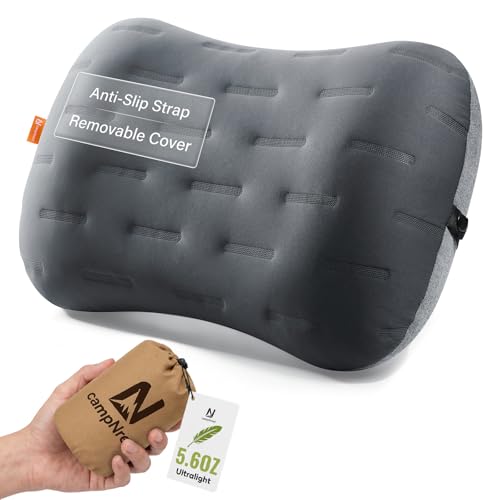
A good night's sleep is crucial for recovery. Your sleep system includes your sleeping bag or quilt, sleeping pad, and pillow. Down insulation offers the best warmth-to-weight ratio, making a goose down sleeping bag or quilt a top choice for ultighters.
For warmer months, a lighter sleeping bag may suffice. Your sleeping pad is equally important; it provides insulation from the ground and cushioning. A sleeping pad camping mat with a high R-value is essential for cold weather. For those who prioritize a bed-like feel, a all-in-one sleeping bag and mattress system offers convenience, though often at a weight penalty.
Understanding Gear Tiers: A Relative Comparison
To help you navigate the market, we use universal quality descriptors instead of volatile price points. Here's how the tiers generally compare for ultralight gear:
Entry-Level
Accessible and functional. Often slightly heavier due to more durable but less exotic materials. A great starting point for those new to backpacking or camping.
Mid-Range
The sweet spot for many. Offers a significant weight reduction with improved materials and construction. Balances performance, durability, and cost.
Premium / Luxury
Cutting-edge materials like Dyneema and carbon fiber. The lightest possible options with a focus on minimalist design. For serious ultralight enthusiasts.
A common goal for ultralight backpackers is to keep the combined weight of their backpack, shelter, and sleep system under 10 pounds (4.5 kg). This often requires investing in mid-range to premium gear, but the difference on the trail is remarkable.
Ultralight Clothing & Camp Kitchen
Beyond the Big Three, your clothing and kitchen setup are the next areas to optimize. The key is to avoid redundancy and choose items that serve multiple purposes.
Clothing Strategy
Layering is the key to managing comfort and weight. For cold-weather trips, a well-planned layering clothing winter system is far more effective and versatile than a single bulky jacket. This principle applies to all seasons. A lightweight sleeping bag can be supplemented with your worn clothing for extra warmth on chilly nights.
Camp Kitchen
Ultralight cooking is about simplicity. Many backpackers use a simple alcohol stove or a canister stove. A propane gas camping stove is a reliable option for shorter trips, though canister stoves are generally lighter for solo use. Your cookware can be as simple as a single titanium pot and a spork. For meals, focus on easy food to make while camping that requires minimal fuel and cleanup, such as foil packet meals for camping (pre-prepared at home).
Safety & Navigation: Don't Cut Corners
Going ultralight doesn't mean sacrificing safety. In fact, a lighter pack can help you move more efficiently and reduce fatigue-related errors. However, you must still carry the essentials.
Your navigation kit should include a map, compass, and a reliable GPS or smartphone app. A best handheld GPS unit is invaluable for off-trail travel. For emergency communication, a satellite communicator or emergency beacon (PLB) is highly recommended for remote areas. Always check camping weather alerts before you head out.
Your first aid kit should be tailored to your trip but should always include essentials for common camping injuries. Consider taking a wilderness first aid course to be better prepared. Knowing what to do if lost and having a plan for emergency SOS signals is critical.
Typical Weight Ranges by Tier
The following table provides a general comparison of weight ranges for key ultralight gear categories across different quality tiers. Remember that these are estimates, and specific models will vary.
| Gear Category | Entry-Level | Mid-Range | Premium |
|---|---|---|---|
| Backpack (50L) | Heavier, durable fabrics | Balanced weight & durability | Ultralight, technical fabrics |
| Shelter (2-Person) | Freestanding, more poles | Trekking pole, semi-freestanding | Single-wall, Dyneema, tarp |
| Sleeping Bag (20°F) | Synthetic insulation, heavier | Down fill, 650-800FP | High-fill down (900+FP), quilt |
| Sleeping Pad | Closed-cell foam or basic inflatable | Insulated inflatable, good R-value | Ultralight inflatable, high R-value |
Frequently Asked Questions
What is the difference between "lightweight" and "ultralight" backpacking?
While definitions vary, "lightweight" generally refers to a base pack weight (everything except consumables like food, water, and fuel) under 20 pounds. "Ultralight" typically means a base weight under 10 pounds. "Hyperlight" is often used for base weights under 5 pounds. The transition from lightweight to ultralight involves significant gear changes and a minimalist mindset.
Is ultralight gear less durable?
Not necessarily, but it requires more care. Ultralight gear often uses lighter, thinner materials. While a premium Dyneema composite fabric can be incredibly strong for its weight, it may be more susceptible to abrasion than a heavy-duty nylon. The key is to use your gear appropriately and treat it with care. Mid-range gear often offers the best balance of durability and weight for most users.
Can I use my regular camping gear for ultralight backpacking?
You can start with your existing gear, but you'll quickly find that traditional camping gear is often too heavy and bulky for comfortable ultralight backpacking. Items like large tents, heavy sleeping bags, and bulky sleeping pads are the first candidates for replacement. However, you can begin by simply leaving non-essential items at home and focusing on multi-use items.
How do I choose between a tent, tarp, or hammock?
This depends on your environment and comfort preferences. A tent vs hammock comparison is a good starting point. Tents offer the most protection and are best for exposed or buggy environments. Tarps are the lightest option but require more skill and offer less protection. Hammocks are excellent for uneven, rocky, or wet terrain but require trees and can be cold without proper insulation. For a more traditional setup, an ultra lightweight backpacking tent is a great all-around choice.
Where can I find good places to backpack?
Researching locations is part of the fun. You can look for free places to camp on Bureau of Land Management (BLM) land or in national forests. For a more structured experience, look for camping sites and campgrounds along your route. Always check BLM camping rules and national park rules before your trip.
Ready to Lighten Your Load?
Exploring the right gear is the first step. When you're ready to compare specific models, our recommended product section can help you find the perfect match for your next adventure.
View Recommended Gear