Portable Tables for Camping: The Complete Guide to Compact & Stable Outdoor Surfaces
Your camp kitchen, dining area, and gear station — a reliable portable table transforms any campsite into a functional outdoor home. Learn how to choose the perfect one.
Why a portable camping table matters: Whether you're cooking a full meal, playing cards by lantern light, or simply need a clean surface to organize your gear, a sturdy portable table is one of the most underrated pieces of camping furniture. This guide breaks down the key factors — weight, stability, setup, and size — so you can pick the right table for your adventures, from solo backpacking to family car camping.
Types of Portable Camping Tables
Roll-Top Tables
These use a slatted aluminum or plastic top that rolls up into a compact carry bag. They are lightweight, quick to assemble, and excellent for car camping and picnics. Mid-range roll-top models often include adjustable legs for uneven ground.
Folding Table with Telescoping Legs
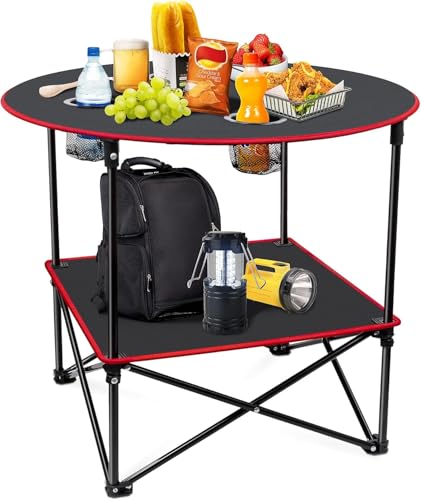
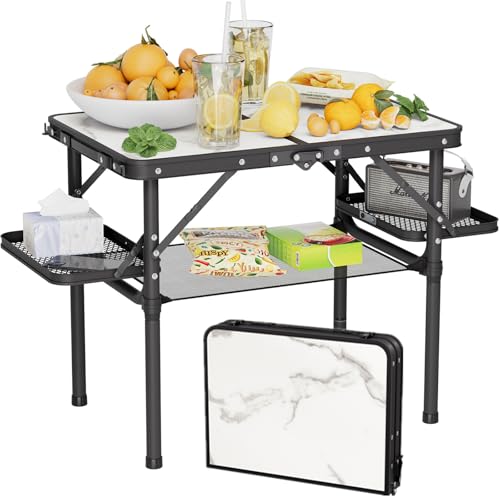
A classic design with a solid top and legs that collapse inward. These tend to be more stable than roll-top tables and are ideal for cooking. Entry-level versions are simple, while premium models feature cup holders and weather-resistant surfaces.
Ultralight Backpacking Tables
Designed for weight-conscious hikers, these tables use aluminum or carbon fiber and often weigh under two pounds. They are compact enough to fit in a backpack side pocket but sacrifice some stability and surface area.
Folding Camp Kitchen Stations
These combine a table with shelves, windscreens, and sometimes a sink. They are heavier and best for car camping or RV trips, offering a full cooking and prep area. High-end models may include a carrying case and adjustable heights.
Key Factors When Choosing a Portable Camping Table
- Weight & Packability: If you're backpacking, every ounce counts. Look for tables under 3 lbs. For car camping, weight is less critical, and you can prioritize surface area and stability. Models that pack into a slim carry bag are easier to store in a vehicle.
- Stability: A wobbly table is a nuisance. Look for tables with locking legs, cross-bracing, or a lower center of gravity. Mid-range and premium tables often have adjustable feet to handle uneven terrain.
- Setup Speed: Some tables pop open in seconds, while others require assembling multiple legs. If you frequently move campsites, a quick-setup design is worth the investment. Many roll-top tables with bungee cords assemble in under a minute.
- Surface Area & Height: Standard camping tables are around 28–32 inches high, which is comfortable for seated dining. Lower tables (coffee-table height) are great for lounging. Consider how many people will use it and what you'll place on it — a camp stove requires a heat-resistant surface.
- Material & Durability: Aluminum is lightweight and rust-resistant. Plastic tops are easy to clean but can crack in extreme cold. Bamboo or wood tops offer a premium feel but need more care. Choose based on your climate and usage.
- Extra Features: Cup holders, side pockets, mesh shelves, and built-in lantern hooks add convenience. Some tables even have adjustable legs for uneven ground. These features can make a mid-tier table feel high-end.
Comparing Portable Camping Tables by Tier
| Feature | Entry-Level | Mid-Range | Premium / Luxury |
|---|---|---|---|
| Weight | 4–7 lbs | 3–5 lbs | 2–4 lbs (some ultralight under 2 lbs) |
| Stability | Basic, may wobble on uneven ground | Good, often with adjustable feet | Excellent, locking mechanisms and sturdy frames |
| Setup | Simple, but may require assembly | Quick, often tool-free | Very fast, some pop-up or roll-top designs |
| Material | Plastic or basic aluminum | Aluminum with durable plastic or bamboo top | High-grade aluminum, carbon fiber, or premium wood |
| Extras | Minimal | Cup holders, carry bag | Lantern hooks, shelves, windscreens, adjustable height |
Note: Tiers reflect relative market positioning and features, not specific price points. Mid-range tables often offer the best balance for most campers.
How to Choose by Camping Style
Backpacking & Ultralight
Prioritize weight and pack size. Look for tables under 2 lbs with a compact carry case. Stability is secondary to portability, but premium ultralight models now offer surprising rigidity. Pair with a lightweight camp chair for a complete setup.
Car Camping & Families
You can afford a larger, heavier table. Consider a folding camp kitchen station or a large roll-top table with cup holders. Stability and surface area are key for cooking and dining. Check that it fits in your trunk alongside other gear.
RV & Glamping
Weight is less of a concern, so you can opt for a premium table with a hardwood top or a full kitchen station. Look for adjustable legs for uneven campsites and features like a built-in sink or windscreen. These tables often double as a stylish outdoor sideboard.
Overlanding & SUV Camping
Durability and quick setup are essential. A roll-top aluminum table with a sturdy frame works well. Many overlanders prefer a table that can be mounted to a roof rack or stored in a slim case. Consider a table with a heat-resistant top if you plan to use a camp stove.
Maintenance & Care Tips
- Wipe down the tabletop after each trip to prevent stains and insect attraction. For aluminum, a damp cloth is usually enough.
- Store your table dry. Moisture can cause rust on metal parts and mildew on wooden tops. Allow it to air-dry completely before packing it away.
- Check locking mechanisms and hinges periodically. A drop of lubricant on moving parts can keep setup smooth.
- Use a cutting board rather than cutting directly on the table surface. This prevents scratches and extends the life of the table.
- If your table has adjustable legs, clean the threads to prevent sand and dirt from jamming them.
Frequently Asked Questions
Can I use a portable camping table for cooking?
Yes, but always check the table's heat resistance. Many camping tables are designed to hold a camp stove, but you should use a heat-resistant mat underneath to protect the surface. Never place a hot pot directly on a plastic or painted tabletop.
How much weight can a typical camping table hold?
Entry-level tables often support 30–50 lbs, while mid-range and premium tables can hold 50–100 lbs or more. Always check the manufacturer's weight limit, especially if you plan to place heavy cookware or multiple items on the table.
Are roll-top tables as stable as solid-top tables?
Generally, solid-top folding tables are more stable because they have a continuous surface. However, high-quality roll-top tables with a sturdy frame and locking legs can be very stable. If stability is your top priority, a solid-top table with adjustable feet is a safer bet.
What is the best height for a camping table?
For dining while seated in a standard camp chair, a table height of 28–32 inches is ideal. Lower tables (around 20 inches) work well for lounging or as a coffee table. Some premium tables offer adjustable height, which adds versatility.
Ready to upgrade your campsite? Explore our recommended portable camping tables below — carefully selected for durability, packability, and value.
See Recommended Tables ↓